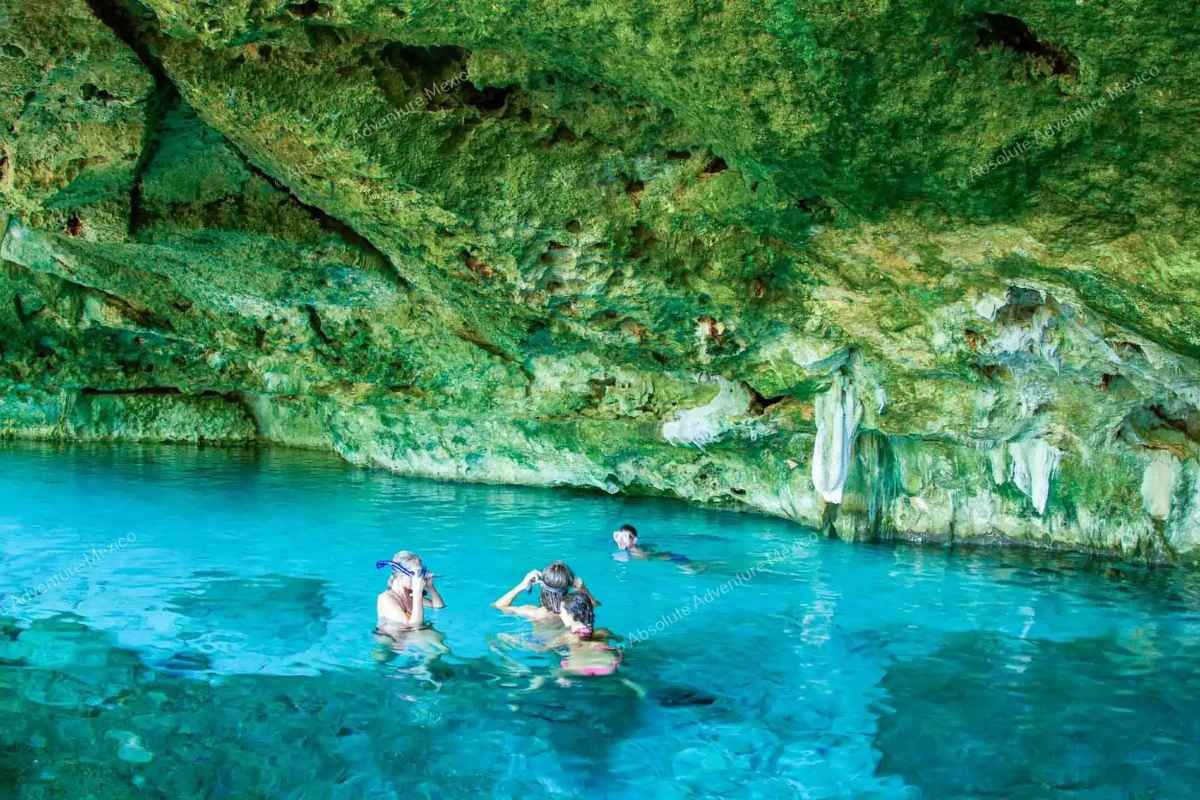
Tulum, Quintana Roo — Tulum is home to some of the world’s most important cave systems and cenotes, yet the town has struggled to establish itself as a diving tourism destination, and much of the business is being captured elsewhere.
Manuel Francisco Rodríguez Labades, co-founder of the Tulum Tourism Promotion Council, said a lack of coordination among local service providers has kept the destination from positioning itself in the specialized market. While Cancún and Playa del Carmen run diving-related promotions, Tulum remains on the sidelines of efforts that could strengthen its national and international profile, he said.
A central problem, according to Rodríguez Labades, is that companies and tour operators based outside the municipality sell trips to cenotes located within Tulum’s territory, including Dos Ojos, without all of the economic benefits staying in the community. He said the situation reflects the absence of a joint strategy to make better use of the region’s natural resources.
The promoter said Tulum has failed to capitalize on its underground riches despite offering exceptional conditions for exploration and specialized tourism.
“We are sitting on a gold mine and we didn’t know how to exploit it because we were too lazy to dig; others came along and took the opportunity,” Rodríguez Labades said.
He recalled that groups such as Busema once drove collective efforts to promote Tulum’s underwater attractions. Today, individual interests have pushed aside collaboration among members of the trade, making it harder to launch larger-scale projects, he said.
The lack of coordination has also meant that book launches, gatherings and other diving-related events are held in neighboring municipalities, even though Tulum offers natural settings of major importance for the sport.
Rodríguez Labades noted that internationally recognized divers live in Tulum, among them Alex Álvarez, Fernando Dávila, Robbie Smith and Kim Davidson, whose expertise and track records could help strengthen promotion of the town’s cenotes and caves.
The Tulum Tourism Promotion Council is preparing meetings and activities aimed at bringing together specialists, business owners and sponsors to develop new promotional strategies and restore the destination’s standing in the sector, he said.
The challenge is not only to attract more visitors but to ensure that specialized tourism translates into opportunities for local service providers, which will require cooperation among companies, diving professionals and promotional organizations.
Tulum holds natural assets that set it apart in the Mexican Caribbean, but how well it cashes in on them will also depend on the industry’s ability to organize. Without a shared strategy, the municipality risks continuing to cede the spotlight to destinations that have already turned these attractions into commercial success.
More Tourism
- Cancún and Riviera Maya Close 2026 With a Wave of Hotel Openings
- Quintana Roo Digital Taximeters Could Begin Operating in March 2027, Transport Official Says
- Staff Turnover at Migration Agency Stalls Tourist Service Training, Industry Group Says
- Tulum Craft Beer Festival Returns to Plaza Hunab With 15 Breweries
- Searching Mothers Keep Indefinite Blockade in Cancún Hotel Zone as State Officials Stay Silent
More Tulum
- Tulum Food Charity Los Frutos Sees Daily Demand Jump From 30 to 300 People
- Quintana Roo Judicial Branch Expands New Civil and Family Justice System Statewide
- Viva Aerobus Trims Frequencies as New Pratt & Whitney Engine Inspections Cut Aircraft Availability
- Tulum Hotel Occupancy Reaches 58.3% in First Week of November
- Tulum Mayor Diego Castañón Pitches Shared Prosperity Market in Bacalar