
Mexico City — Quintana Roo and its municipalities will receive 41,422.9 million pesos in federal transfers in 2027, a real-terms increase of 5.8 percent over 2026, according to an analysis of the draft federal budget by the Senate’s Belisario Domínguez Institute.
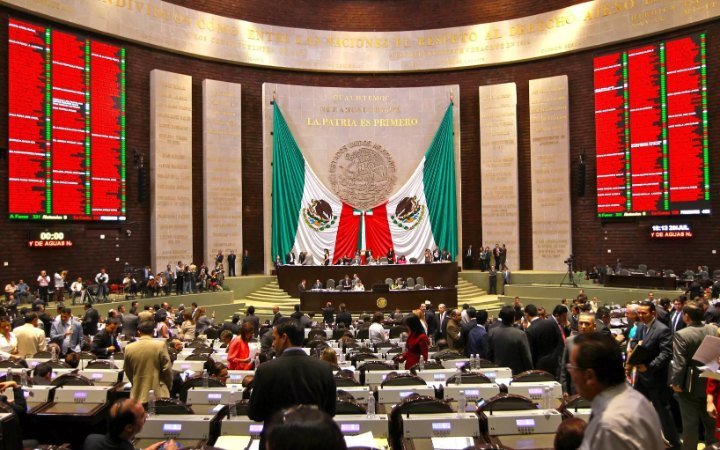
The Chamber of Deputies approved the spending plan in general on Monday night, with 372 votes in favor and 102 against. Lawmakers were set to debate reservations on Tuesday, and the legal deadline to pass the budget is Nov. 15, so the figures could still change.
Adding the money federal agencies will spend directly in the state — 37,134.1 million pesos in programs and investment projects and 132.9 million in programs subject to operating rules — total identified federal resources for Quintana Roo come to 78,689.9 million pesos. That is 4,481.7 million pesos less than in 2026, driven mainly by the cut to the Tren Maya railway.
Unrestricted transfers top 24 billion pesos
The largest category is federal participations (Ramo 28), which the state government and municipalities may spend freely. They total 24,076.5 million pesos for 2027, up from 21,954.9 million this year, a real increase of 6.2 percent.
Most of that comes from the General Participations Fund, with 16,234.1 million pesos. It is followed by other economic incentives at 2,328.9 million, the Audit and Collection Fund at 1,697.4 million, payroll income tax revenue at 1,543.4 million, incentives from final diesel and gasoline sales at 868.4 million and the Municipal Development Fund at 807.6 million.
In the other direction, the ISAN vehicle tax and its compensation fund fall from 508.4 million to 82.3 million pesos, and the Audit and Collection Fund drops 17.9 percent in real terms.
Earmarked contributions: 15,948 million pesos
Federal contributions (Ramo 33) arrive legally tied to specific purposes. For 2027 they total 15,948 million pesos, 5.7 percent more in real terms.
The biggest line is teacher payroll and operating costs through the FONE fund, at 8,785.4 million pesos, of which 8,555 million cover teachers’ salaries. The rest breaks down as follows:
- Municipal Strengthening (Fortamun): 2,231.4 million pesos, a real increase of 9.9 percent
- Social Infrastructure (FAIS): 1,614.6 million pesos, with 1,418.9 million for municipalities and 195.7 million for the state
- Multiple Contributions (FAM): 1,219.2 million pesos for social assistance and school infrastructure
- Strengthening of States (FAFEF): 976.1 million pesos
- Health Services (FASSA): 621.2 million pesos
- Public Security (FASP): 263.1 million pesos
- Technological and Adult Education (FAETA): 236.9 million pesos
The public security and school infrastructure amounts are estimates, because the draft does not distribute those funds by state. Quintana Roo will also receive 1,398.4 million pesos under decentralization agreements.
Tren Maya funding falls 44.6 percent
Federal investment programs and projects in Quintana Roo drop from 45,118.5 million to 37,134.1 million pesos, a real decline of 20.3 percent.
The cut is concentrated in the Tren Maya, which falls from 30,000 million to 17,158.8 million pesos, 44.6 percent less in real terms, even though the project continues to operate at a loss.
The CFE (Federal Electricity Commission) will have 13,771.9 million pesos for projects in the state, 8 percent less in real terms. The Energy Department is slated to receive 3,771 million pesos for maintenance of Cenagas natural gas pipelines.
The Mexican Navy, which had no allocation in the state in 2026, will receive 2,016.9 million pesos: 1,866.9 million for infrastructure, vessels and equipment to tackle sargassum along Quintana Roo’s coast, and 150 million for medical equipment at naval hospitals.
The ISSSTE (state workers’ social security institute) will have 415.5 million pesos to replace hospital clinics in Cancún, at 203.9 million, and Chetumal, at 211.6 million.
What comes next
Among the changes approved before the vote, the main one was a 6,000 million peso cut to the INE, the national electoral authority, with the money reassigned to national programs. The only regional reassignment was 6,500 million pesos for water works in Jalisco, part of the deal under which Movimiento Ciudadano backed the bill. No project specifically for Quintana Roo was included among those changes.
Morena, the PVEM, the Labor Party and Movimiento Ciudadano voted for the 10.64 trillion peso budget for 2027; the PAN and PRI opposed it. PRI coordinator Rubén Moreira argued that the budget generates neither growth nor wellbeing and that it favors large projects such as the Tren Maya over medicines, hospitals and highways. The opposition has also pointed out that debt interest payments will total around 1.6 trillion pesos, close to 4 percent of GDP and the highest level since 1990.
More Economy
- Cozumel Expands Support Program to 400 Nautical, Cooperative and Fishing Workers
- Cozumel Aims to Lift Hotel Occupancy as Cruise Arrivals Surge
- Farmer Warns Climate Shifts Are Making Agriculture Unviable in Tulum’s Maya Zone
- Digitalization and Brokers Drive Mortgage Lending, Mexican Bankers Association Says
- Tulum’s Tourism Crisis Is Structural, Not Seasonal, Mexico’s Tourism Chief Says
More Quintana Roo
- Free Specialist Medical Clinic for Children Coming to Cozumel on Nov. 24-25
- Playa del Carmen Reports 176,580 Health Services From January to September
- Quintana Roo Digital Taximeters Could Begin Operating in March 2027, Transport Official Says
- Profeco Urges Shoppers to Check Store Complaint Records Before Buen Fin 2026 Purchases
- Yucatán Confirms 48 Screwworm Myiasis Cases, 57% of Peninsula Total
