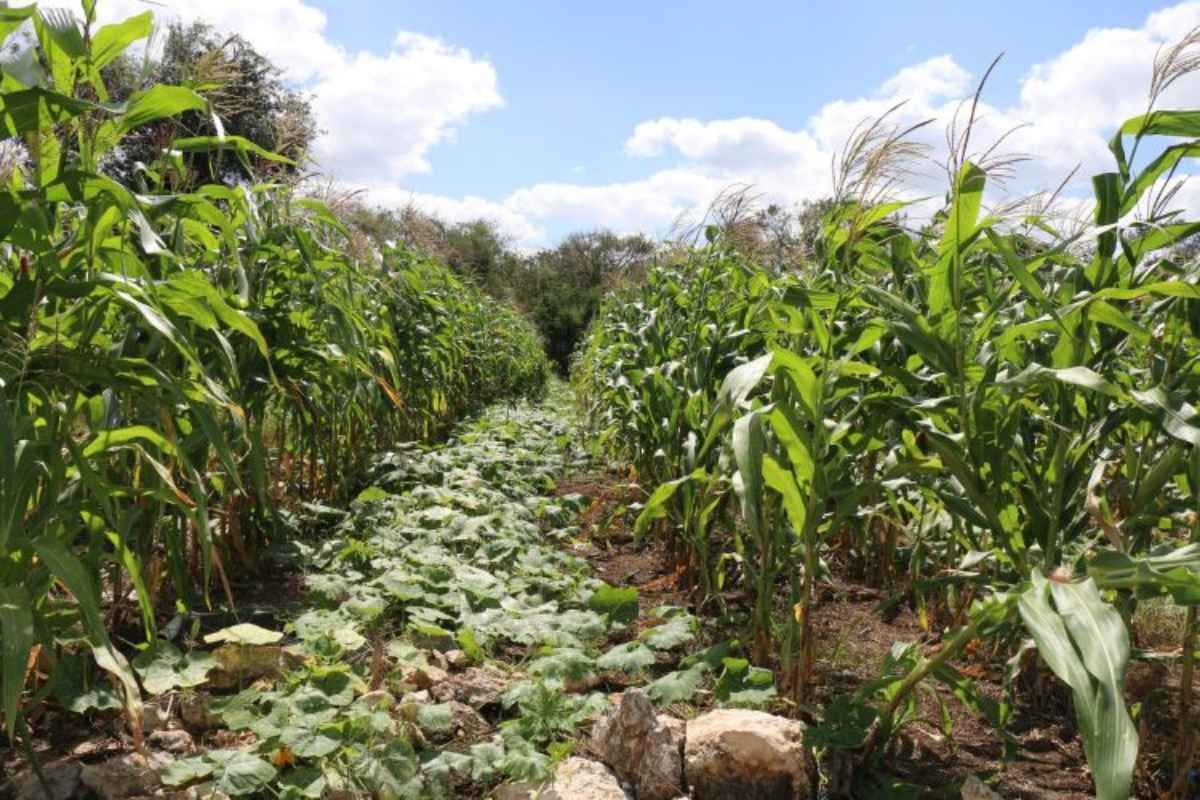
Tulum, Quintana Roo — Farming conditions in this part of the Yucatan Peninsula have changed so sharply that growing food is no longer a reliable way to make a living, said Fidencio Dzib Dzib, who has lived for 56 years in Chanchen Primero, a village in the Maya zone of Tulum.
Dzib Dzib has spent nearly his whole life working the land and now watches the agricultural sector’s troubles with concern. Drawing on decades of experience in the milpa, the traditional maize plot, he recalled that rainy seasons once let farmers sow with confidence.
“Before, you made your milpa and the rain came; these days you plant and it doesn’t rain,” he said, comparing the fields of years past with what producers face now.
Rainy and dry periods have lost their regularity, he explained. Months that were traditionally dry now bring precipitation, while those that once brought rain stay dry. The shift hits production directly: seeds may fail to germinate or are lost altogether to high temperatures and lack of moisture.
Faced with the risk of spending money and labor for nothing, some families have stopped planting for now and use their resources to buy the corn they need, since growing it has become increasingly costly.
Traditional Forecasts Lose Their Edge
Even knowledge passed down from earlier generations has become less useful. Dzib Dzib said the cabañuelas — the traditional reading of weather patterns used to decide when to sow — no longer offer the same certainty in the face of climate disruption.
Fewer people are working the land as well. Young people show less and less interest in farming, he said, with many preferring to study elsewhere or move to tourism areas to take jobs in hotels and restaurants, leaving behind work that sustained their families for generations.
On government support, Dzib Dzib acknowledged that the Sembrando Vida program is a significant help for the community. Still, he said making production profitable remains difficult, particularly as markets shift: some crops, such as chaya, no longer see the demand that once made them worth selling.
His family managed a small harvest this season, but he cautioned there is no guarantee conditions will improve in coming agricultural cycles.
Call for Irrigation and Water Access
Dzib Dzib argued that authorities need to promote alternatives guaranteeing access to water, above all by installing irrigation systems that reduce farmers’ dependence on rainfall.
While aid for buying fertilizer exists, he said, it is not enough when the basic conditions for keeping crops alive are missing.
“They always say it can’t be done, that each person with their own resources and work can farm the land,” he said of the lack of backing for projects that would help campesinos.
Fertilizer alone does not solve the sector’s needs, he insisted, because without water any investment in the milpa can be lost.
“It’s no use having the milpa fertilized if it doesn’t rain and it dies,” he said.
His account reflects the reality of many rural families confronting the effects of climate change, the absence of infrastructure and the financial strain of continuing to grow their own food.
He called on authorities to listen to the needs of rural communities and promote comprehensive solutions that revive farming, improve conditions for producers and keep a tradition that has fed entire generations from disappearing.
More Environment
- Tulum Residents Report Wave of Suspected Dog and Cat Poisonings in La Veleta
- Mexican Army Seeks Environmental Approval for Parking Lot at Tulum’s Parque del Jaguar
- Tulum Leaves Its Dive Tourism Gold Mine Unclaimed, Promoter Says
- Yucatán Confirms 48 Screwworm Myiasis Cases, 57% of Peninsula Total
- Playa del Carmen Activates Storm Operation as Heavy Rain Floods Streets
More Tulum
- Tulum Murals Turn Streets Into Open-Air Gallery for Horizontes Mexicanos Festival
- Tulum’s Tourism Crisis Is Structural, Not Seasonal, Mexico’s Tourism Chief Says
- Tulum Food Charity Los Frutos Sees Daily Demand Jump From 30 to 300 People
- Quintana Roo Judicial Branch Expands New Civil and Family Justice System Statewide
- Tulum Craft Beer Festival Returns to Plaza Hunab With 15 Breweries