
Mexico City — Business and tourism representatives from Quintana Roo told federal lawmakers they oppose a proposed increase to Mexico’s non-resident fee for 2027, warning that higher costs for foreign visitors could erode the Mexican Caribbean’s competitiveness at a time when air connectivity is shrinking and tourism arrivals are a growing concern.
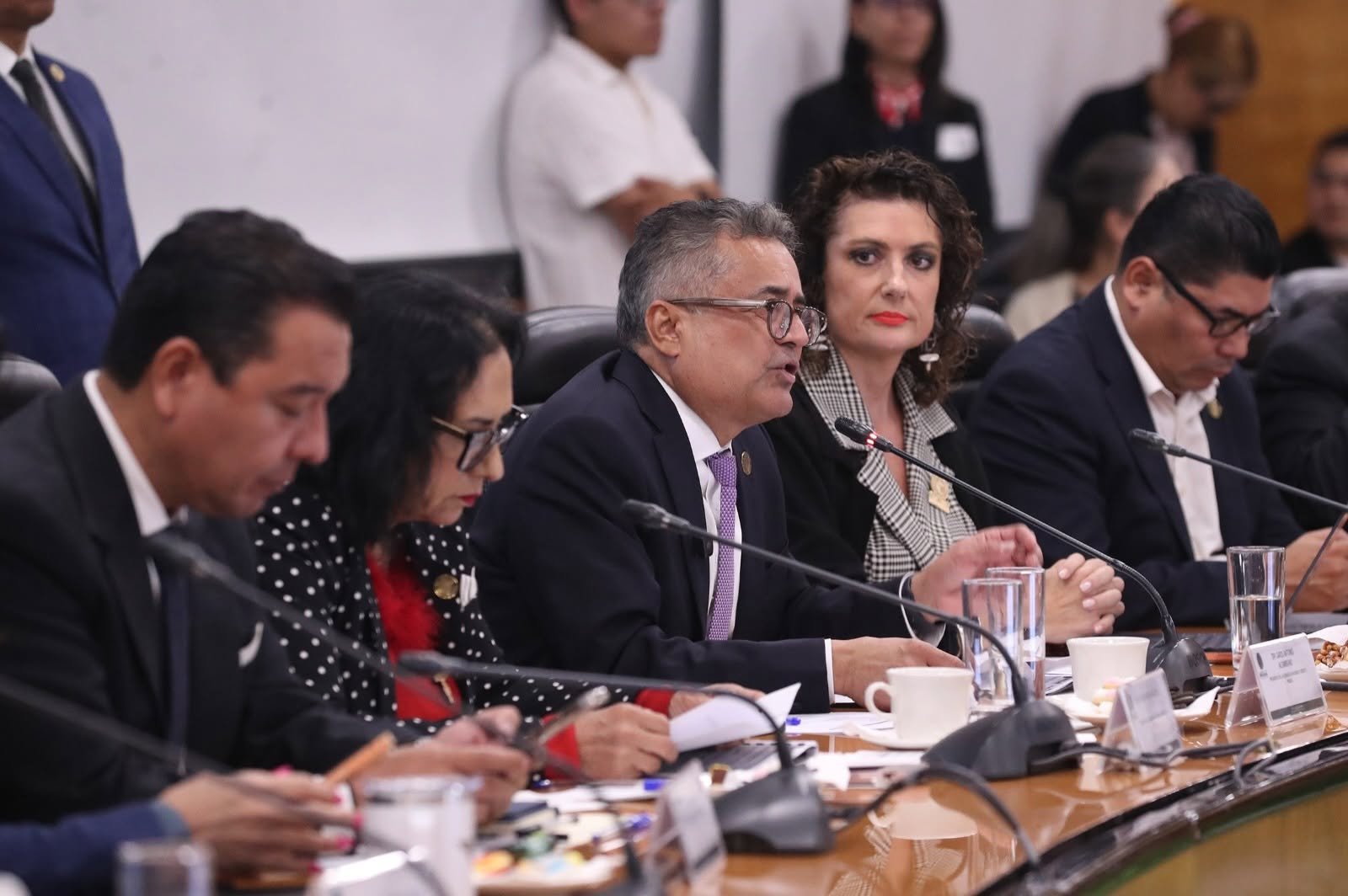
Valeria Rindertsma, president of the Riviera Maya chapter of the Mexican Association of Women Business Owners (AMEXME), joined representatives from other productive sectors at a working meeting with the Chamber of Deputies’ Finance and Public Credit Commission. The session was part of discussions over the 2027 Economic Package and its tax measures.
The proposal would raise the DNR — the fee charged to foreign visitors, known in Spanish as the Derecho de No Residente — from 983 pesos to 1,334.80 pesos per visitor, an increase of about 35.8 percent. Business leaders argue the measure should be reviewed before approval because of its potential effect on travelers’ decisions and on spending by international tourists.
Rindertsma carried the concerns of Riviera Maya businesswomen to San Lázaro, the seat of the Chamber of Deputies, noting that the fallout would not be limited to hotels and tourism service providers, since much of Quintana Roo’s economy depends directly or indirectly on the industry.
Fewer Seats, Higher Costs
The opposition comes amid a contraction in air service. According to figures circulated by the hotel sector, flight schedules for the last quarter of 2026 show cuts in seats and operations from the United States, one of the main source markets for Quintana Roo’s destinations.
In a joint position presented days earlier, business representatives warned that reduced connectivity, more expensive travel and competition from other international destinations make it necessary to review any measure that raises costs for visitors. They also said a decline in tourists reverberates beyond hotels, hitting restaurants, shops, transportation, travel agencies and tourism-related jobs.
Business groups have reported a drop of 508,819 visitors in the first half of 2026. That figure comes from estimates presented by sector representatives and is not official data on tourist losses attributable solely to the DNR.
Questions Over Where the Money Goes
Beyond the amount, business leaders asked lawmakers to review how revenue from the fee is used. They argue part of it should clearly and consistently support tourism promotion, Mexico’s international standing and responses to crises that damage destinations’ image.
The hotel sector maintains that the DNR was historically tied to tourism promotion, but that the current distribution of the funds does not set aside enough specifically for that purpose. It wants the fiscal review to examine how the revenue is used and what benefits it delivers to the activity that generates it.
Representatives have also requested working sessions with the Finance Ministry and legislators to present their arguments and propose alternatives. Their position, they say, is that the debate should not be limited to how much the government can collect, but should weigh the effects on tourism demand, destination competitiveness and employment.
The increase is part of the 2027 Economic Package and must still move through the legislative process. As it is debated, Quintana Roo’s tourism sector is pressing to stop the adjustment and open a broader discussion about the tax burden on international visitors, at a time when air connectivity and tourist arrivals have become central concerns for the Mexican Caribbean.
More Tourism
- Mexicana de Aviación Adds 24 Winter Flights to Tulum as Rivals Pull Out
- Playa del Carmen Recognized as International Bull Shark Zone
- Punta Allen Road Rehabilitation Reaches 80 Percent Completion
- Cancún Business Council Launches Push to Diversify Quintana Roo’s Economy Beyond Tourism
- Playa del Carmen to Build Tactical Operations Center to Boost Fifth Avenue Security
More Quintana Roo
- Tren Maya Freight Project Targets 4.7 Million Tons by 2030
- Mexico Adds COVID-19 Vaccine to Routine Childhood Schedule for Infants and Toddlers
- Power Outage in Chetumal Forces Closure of Quintana Roo Labor Courts
- Cancún Restaurants in the Red as Power Outages Add to Mounting Losses
- Playa del Carmen Mayor Joins Quintana Roo’s 52nd Statehood Anniversary in Chetumal