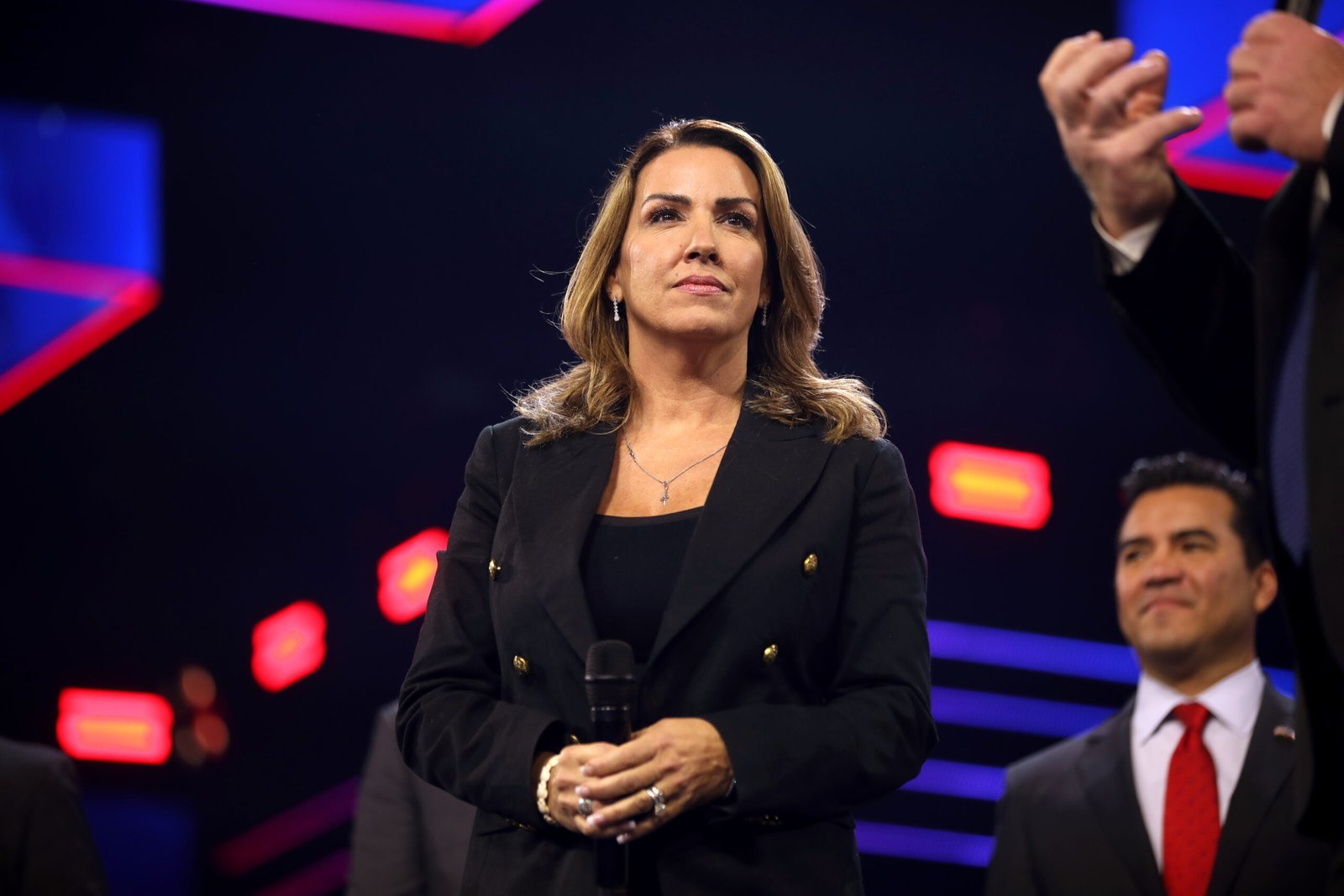
Sara Carter, director of the U.S. Office of National Drug Control Policy and known as the drug czar, warned that President Donald Trump's administration will prosecute anyone who collaborates with Mexican cartels, including governors, other public officials, and civilians. The statements, attributed to an interview with Voz News, amplify Washington's message against drug trafficking networks, although Carter did not identify specific individuals in the quotes and did not announce any new arrest warrants.
The warning comes amid investigations into Mexican officials for alleged links to criminal organizations, including those involving Rubén Rocha Moya, the governor of Sinaloa on leave.
Carter asserted that the United States maintains coordination with the Mexican government, but insisted that the administration will continue pursuing those who facilitate cartel operations. Her statements should be understood as a statement of anti-drug policy and not as confirmation of new criminal charges.
Carter's Warning to Governors and Collaborators
During the interview, Carter stated that President Donald Trump's instruction is to take action against those who aid, protect, or maintain collaborative relationships with drug trafficking organizations. The official argued that holding a public office would not be a reason to be excluded from the actions of the U.S. government.
"We don't care if you're the governor or the person who works in a small shop in the plaza. We're going to find you, we're going to come after you, and we're going to make sure you pay the price."
The phrase, circulated as a translation of her statements, reflects that the U.S. administration seeks to direct its strategy against both cartel members and those who provide them with support. The message considers three groups of potential collaborators:
- Public officials: authorities who allegedly facilitate or protect criminal activities.
- Private individuals: civilians who participate in operations or deliberately collaborate with the cartels.
- Support networks: people linked to organizations that the United States has designated as foreign terrorists.
The statement does not establish that all individuals publicly linked to or identified with alleged ties to drug trafficking are guilty. Any criminal liability must be determined through appropriate legal proceedings.
Rocha Moya Case in Context
Carter's statements gain relevance because of the accusations that U.S. authorities have made against Rubén Rocha Moya and other officials from Sinaloa for alleged links with the Sinaloa Cartel. However, the official did not explicitly mention Rocha Moya in the statements released from this interview. Therefore, there is no basis to conclude that her warning constitutes a new accusation against the Mexican politician.
The case of the governor on leave has precedents that allow an understanding of the context:
- Trump urges Mexico to go after officials who help drug traffickers.
- April 2026: U.S. authorities filed charges against Rocha Moya and other officials for alleged links to drug trafficking.
- May 1: Rocha Moya requested a temporary leave of absence from the Sinaloa government while the investigations progressed.
- August 21: The politician returned to his post after more than three months of absence.
- August 23: He again requested an indefinite temporary leave of absence, following criticism from President Claudia Sheinbaum.
- Rocha Moya has rejected the accusations against him.
For its part, the Ministry of the Interior reported on August 21 that the Attorney General's Office was maintaining open investigations related to ten people named by the U.S. Department of Justice. The agency also explained that the Ministry of Foreign Affairs had requested evidence from Washington to support the accusations. According to the official information consulted, the aforementioned investigations do not constitute a sentence establishing the governor's criminal responsibility.
Cooperation Between Mexico and the United States
Although her statements were directed against collaborators of criminal organizations, Carter also acknowledged that there is coordination between the Mexican and American governments. The official suggested that both countries must find common ground to combat drug trafficking operations and prevent these organizations from continuing to operate in their territories.
"What I'm saying is, join us, stop it, we can put an end to the cartels by working together."
In the interview, Carter also questioned why both countries should allow these organizations to continue their activities. Her stance aligns with the objectives set out in the United States' 2026 National Drug Control Strategy, an official document that aims to dismantle supply networks, target the financial resources of criminal organizations, and reduce drug use. The document contemplates taking action against both the operational structures of drug trafficking and the mechanisms that allow it to finance and maintain its activities.
Possible U.S. Actions Against Mexican Officials
U.S. authorities have various legal instruments at their disposal to take action against individuals allegedly involved in drug trafficking. However, a public warning does not constitute an arrest warrant, sanction, or extradition request. Depending on the evidence, applicable legislation, and decisions of the competent authorities, actions may include:
- Criminal investigations: to determine if there are crimes related to drug trafficking, money laundering, or other criminal activities.
- Immigration restrictions: such as the revocation of visas or the denial of entry to the United States, in accordance with applicable provisions.
- Financial sanctions: against individuals or entities linked to illicit activities, when the legal requirements are met.
- Extradition requests: through the procedures established between both countries.
In an interview with N+ Univision broadcast on September 20, Carter indicated that the United States could revoke visas for people suspected of collaborating with cartels, as part of measures to protect the American population. This does not mean that Washington can directly detain any person within Mexican territory without respecting the corresponding laws and cooperation mechanisms.
Who Is Sara Carter?
Sara Carter is responsible for coordinating the White House's national anti-drug policy. The U.S. Senate confirmed her appointment on January 6, 2026, with 52 votes in favor and 48 against, according to the U.S. presidency. The Office of National Drug Control Policy advises the U.S. president on drug control issues and coordinates priorities among federal agencies. The position is publicly known as drug czar, although its official title is director of the ONDCP. Among her responsibilities are the coordination of prevention strategies, addiction treatment, and combating illicit drug trafficking.
More Crime
- Cancún Residents Demand Governor’s Intervention Over Alleged Land Fraudster
- Mexico Arrests Family Accused of Using AI Voice Cloning to Extort Officials
- Quintana Roo Education Official Reported Missing in Cancún, Found Hours Later
- Tulum Warns Residents of Housing Scams Along Punta Allen Road
- Playa del Carmen to Build Tactical Operations Center to Boost Fifth Avenue Security