Playa del Carmen, Quintana Roo — Business leaders in Playa del Carmen are intensifying coordination with authorities at all levels of government to prevent extortion and the so-called “derecho de piso” (protection payments), acknowledging that the threat remains and that the best strategy is to strengthen prevention, training, and a culture of reporting.
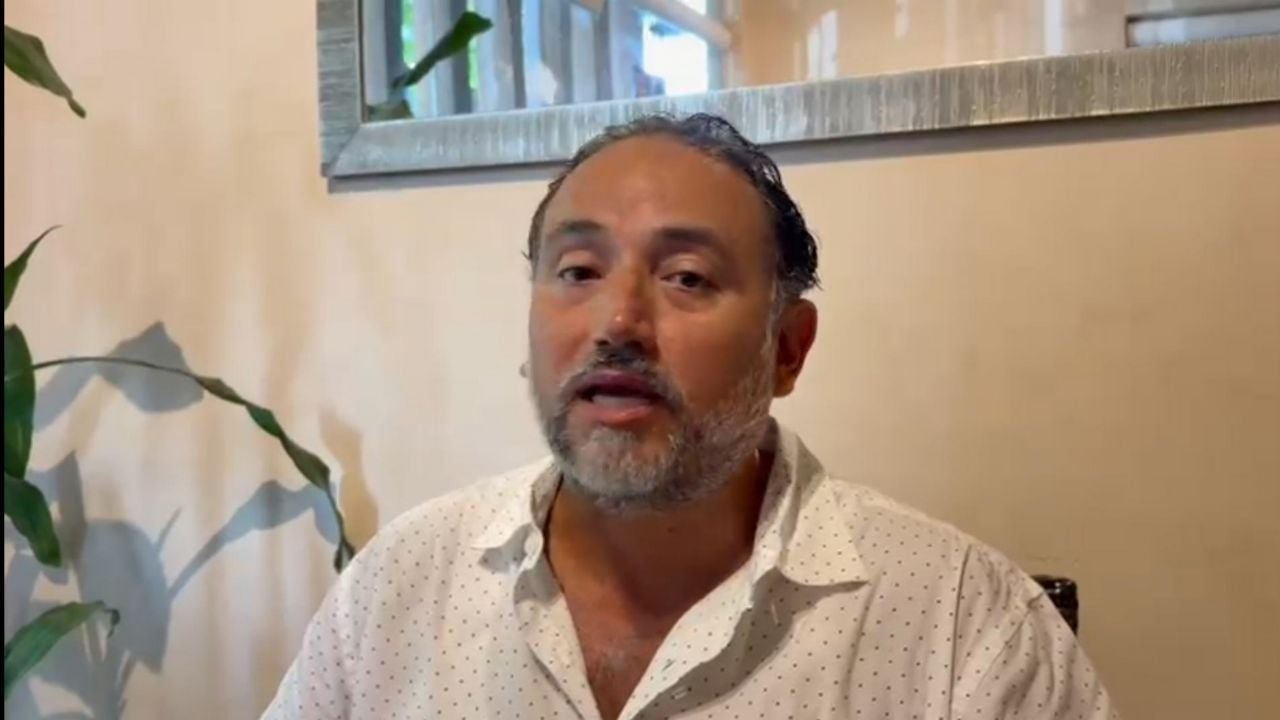
Offner Arjona, president of the Association of Small Hotels of Downtown Playa del Carmen, said various business organizations have stepped up joint efforts to create protection and response mechanisms against potential extortion attempts.
“We are trying to generate synergies, hold meetings, get closer to each other, seek greater unity. At the same time, we want to understand and learn the modus operandi so that we ourselves can have first-response protocols,” he said.
Arjona highlighted that coordination with security forces has become a fundamental tool for reducing risks, allowing business owners and merchants to know the proper procedures if they receive threats or extortion attempts.
In recent years, extortion has been one of the most concerning crimes among productive sectors in Quintana Roo, especially in tourist destinations where economic activity concentrates a large number of businesses and constant cash flow.
However, Arjona noted that beyond measuring whether there are fewer calls or attempts, the main progress is that business owners are better prepared to react and avoid becoming victims.
“The best thing that has happened to us is being able to prepare so that there are fewer incidents. It doesn’t necessarily mean there are fewer calls or attempts, but we have a better outlook to reduce the percentage of falls,” he said.
The hotel leader acknowledged that the economic context also influences the sector’s perception. Playa del Carmen is currently in a low tourist season, forcing businesses to stay alert to both economic challenges and security issues.
The comments come after recent violent incidents at a lumberyard in the city, which again raised business concerns about public safety. Arjona expressed the industry’s solidarity with affected owners and workers.
“We deeply regret the events, we condemn any situation of violence in our destination, and we are waiting for official reports to more clearly define the path forward,” he said.
He added that beyond ongoing investigations, these events generate concern among those who invest and create jobs in the municipality. “As business owners, it hurts us that these kinds of things happen,” he said.
Regarding communication with authorities, Arjona explained that in addition to participating in security roundtables, there is constant contact with the Playa del Carmen Secretariat of Citizen Security and state public security agencies. He said continuous follow-up on cases and feedback with authorities are key to improving results and keeping the business community informed about risks and prevention mechanisms.
Finally, Arjona called on business owners to report any extortion attempt or threat and not remain silent.
“We need to follow up on all these procedures. Filing a complaint and following up is part of business responsibility,” he said.
The representative of small hotels said that although legal processes can be long or complicated, formal reporting remains an indispensable tool for authorities to identify criminal patterns, strengthen investigations, and prevent more businesses from falling victim to these crimes.
More Law Enforcement
- Cancún Orders Removal of Grounded Boats From Nichupté Lagoon
- Profepa Shuts Down Work Damaging Coastal Dune in Yucatán
- DHS Fentanyl Trafficking Investigations Fall 24% as Focus Shifts to Immigration Enforcement
- Crypto Mining Farm in Puebla Stole Power From Dam, Officials Say
- Man Detained in Puerto Aventuras After Allegedly Setting Fire to Home During Argument
More Playa del Carmen
- Mexico City, Cancún and Puerto Vallarta Top Searches for Independence Day Weekend
- Playa del Carmen Reviews Playaparq Parking Concession Amid Up to 15 Weekly Complaints
- Playa del Carmen Draws Over $1.6 Billion in New Tourism and Real Estate Projects
- Playa del Carmen Awaits Federal Approval to Return 20,000 Tons of Sand Recovered from Sargassum
- Playa del Carmen Projects Higher 2027 Revenue From Vacation Rentals and Hotel Occupancy