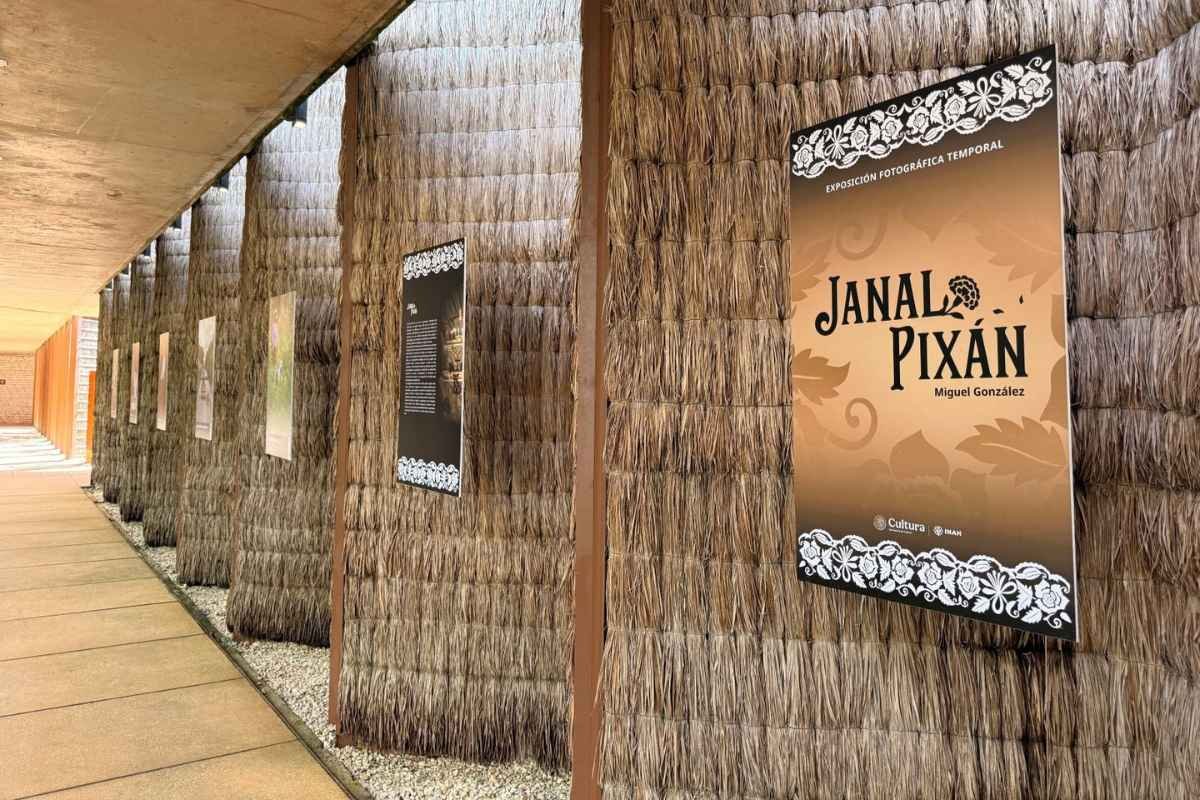
Tulum, Quintana Roo — A new photo exhibition in Tulum explores Janal Pixán, the Maya celebration known as the “food of the souls” or “food for the dead,” a tradition in which families across the Yucatan Peninsula remember and honor their deceased loved ones.
The show, titled “Janal Pixán, tradición que no muere en Quintana Roo” (Janal Pixán, a tradition that does not die in Quintana Roo), opened at the Museo Regional de la Costa Oriental (Mureco). Mexico’s Culture Ministry is presenting it through the National Institute of Anthropology and History (INAH) to mark the Day of the Dead.
The photographs are the work of Miguel González, whose career has focused on documenting the cultural and natural heritage of southeastern Mexico. The exhibition is the result of several years of work and time spent with Maya communities in Quintana Roo. His lens captures everyday activities, traditional knowledge and cultural expressions that sustain the celebration, with an emphasis on the people and the processes that keep it alive.
A visual narrative from dawn to dusk
Through 20 photographs, González builds a visual narrative that runs from sunrise to nightfall, arranging the images according to the processes that shape Janal Pixán.
The first images take visitors to the milpa and the surrounding forest, spaces tied to the agricultural cycle and traditional knowledge, where families gather flowers, fruits and other natural elements for their offerings. The sequence highlights the importance of corn, a staple of Maya culture, and its presence in the dishes prepared for the occasion.
The tour continues inside homes, where families make candles by hand, prepare traditional food and drinks, and set up their altars. In these scenes, the photographer documents the participation of relatives and the passing of knowledge from one generation to the next.
Among the elements on display are jícaras (gourd cups), flowers, copal incense, candles and food, whose preparation and arrangement are part of the rituals tied to remembering the dead. Rather than simply showing the objects on an altar, the images reveal the labor and knowledge behind them.
As the exhibition progresses, it moves through altars, prayers, offerings and visits to the cemetery to honor the pixanes — souls, in the Maya language. It closes with nighttime scenes in which candlelight and the spaces set aside for the departed take center stage.
More Culture
- Cancún’s Catrinas Parade Set for Friday Night at Puerto Juárez
- Flamingo Named Víctor Flies 262 Kilometers Across Yucatán’s Coastal Wetlands
- Pinta o Muere Fills Playa del Carmen Cemetery With Day of the Dead Mural
- Puerto Morelos Marks Its First Decade With a Book of Founders’ Memories
- Xcaret Withdraws Injunction Bid Over Use of Maya Symbols at Supreme Court
More Tulum
- Tulum Residents Map Hundreds of Potholes After Rains Overwhelm Road Repairs
- Payment Failures and Staff Shortages Paralyze Access to the Tulum Archaeological Zone
- Tulum Cemetery Full: 150 Unregistered Graves Face Exhumation
- Young Birders Hit 98 Species in Southern Quintana Roo
- Quintana Roo Opens Case Against Taxi Concession Holder Over Uber Confrontation in Tulum