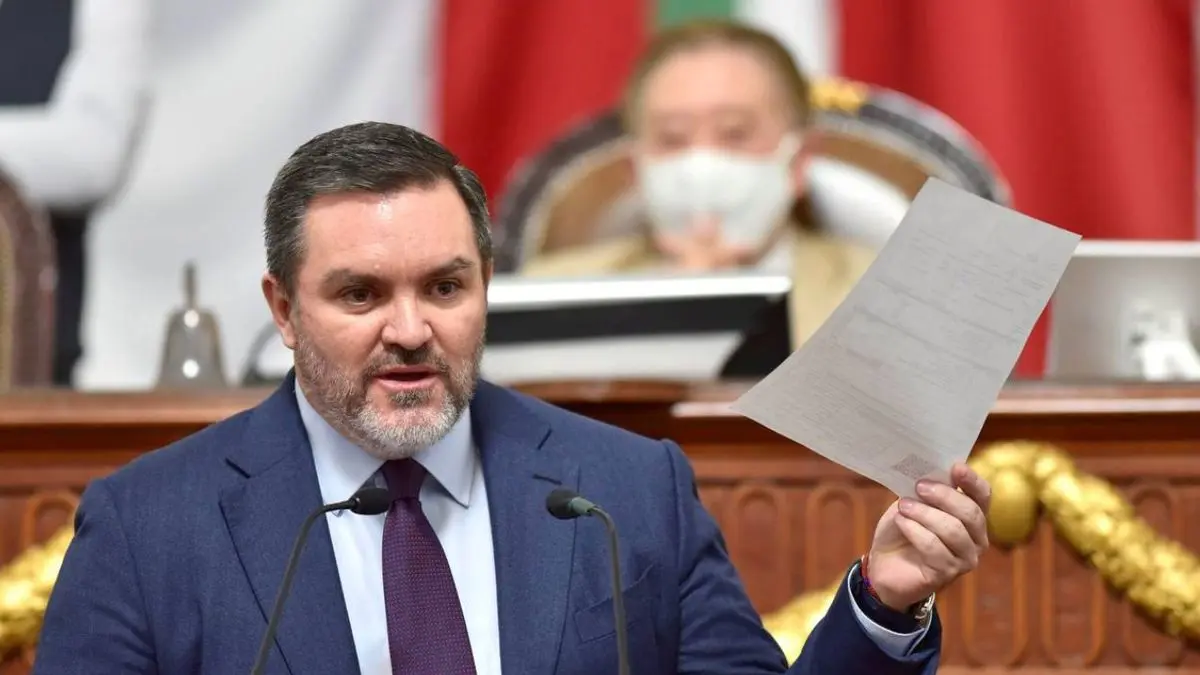
Mexico City — Lawmakers from the National Action Party (PAN) have called on President Claudia Sheinbaum and Security Secretary Omar García Harfuch to urgently intervene in Tulum, Quintana Roo, citing a surge in violence, extortion, and what they describe as the advance of “narcopolitics” in the Mexican Caribbean.
PAN spokesperson Federico Döring warned that Tulum has transformed from an exclusive tourist paradise into a high-risk zone for residents and visitors alike. He directly accused Tulum’s mayor, Diego Castañón of the Morena party, of alleged ties to extortion networks that are squeezing local businesses. According to Döring, reports suggest the mayor is using illegal fees to fund future political campaigns.
“Harfuch and President Sheinbaum should intervene before it gets out of control, not intervene late like they did in Tequila, Jalisco,” Döring said, drawing a parallel to the case of former mayor Diego Rivera, now detained on organized crime charges linked to the Jalisco New Generation Cartel.
Tourism Numbers in Decline
The security crisis is already taking a measurable toll on tourism. Data from Quintana Roo’s Tourism Information System shows that between January and April 2026, Tulum received 522,705 visitors — 21,718 fewer than the same period last year.
Quintana Roo congressman Ernesto Sánchez detailed a 4% overall drop in visitor numbers, a 31% plunge in airport passenger traffic, and a 28% decline in visits to the iconic archaeological zone. He attributed the downturn to real estate chaos fueled by alleged “irregular businesses of the Fourth Transformation,” persistent poverty, and high-impact crimes including homicides and daylight executions. Organized crime extortion of hotels, bars, and restaurants, conflicts between taxi unions and ride-hailing platforms at the airport, and massive losses from sargassum seaweed are also compounding the problem.
The PAN caucus has proposed a “Plan Tulum” to coordinate federal, state, and local governments with businesses and communities. The plan includes urban development policies, security measures for tourist areas, a federal fund to rescue affected businesses, and government subsidies to revive traveler flows.
Citizen and Business Backlash
Parallel to the political pressure in the capital, social tension is rising in Tulum. Business owners, merchants, and residents have formed the collective “Tulum Unido,” which now includes nearly 300 members determined to stop abuses by the local administration.
The group has filed a formal complaint with the city council over growing irregularities, opacity, and administrative obstacles in issuing operating licenses. They say the destination’s urban growth has been overshadowed by a lack of legal certainty, excessive fees, delays, and alleged corruption and abuse of authority by municipal officials.
“Tulum Unido” has drawn up a list of demands for Mayor Diego Castañón, calling for full transparency and lawful processes. The collective has launched a petition drive and called for a protest on Wednesday, July 1, from 5:00 p.m. to 7:00 p.m. at the Cancha Maya in Tulum, aiming to build a united front against the collapse of the tourist destination.
More Politics
- López Obrador Reappears With Video Message as Sheinbaum Marks Two Years
- Quintana Roo Congress Approves Single-Nationality Rule for Top Elected Offices
- Mexico’s Senate Approves ‘Anti-Meme’ Law With Five-Year Prison Terms
- Morena Polls Confirm Gino Segura’s Lead in Quintana Roo as Marín Trails Ana Paty
- Quintana Roo Anti-Corruption Agency Reports 82 Sanctions, Mostly Temporary Disqualifications
More Tulum
- Tulum Hosts Nine US Universities and Team Mexico at NCAA Division II Golf Shootout
- Tulum Residents Identify Five Sites Where Homeless People Gather
- Volaris to Suspend Tulum Airport Flights, Second Mexican Carrier to Pull Out
- Tulum Launches Credentialing Program for Parque del Jaguar Tourism Workers
- Proposed 351.80-Peso Non-Resident Fee Hike Threatens Tulum Tourism Recovery in 2027