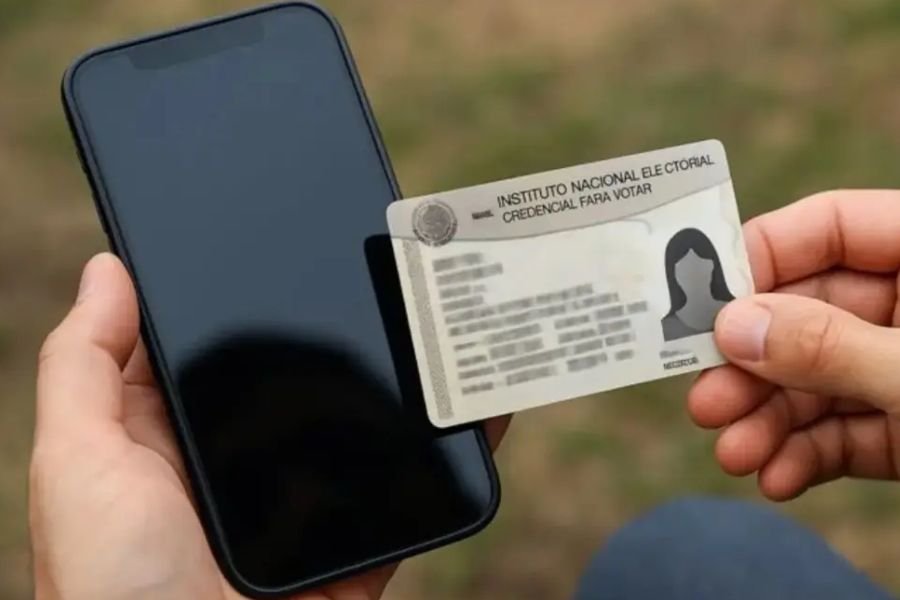
Chetumal, Quintana Roo — Mobile phone users across Quintana Roo are being urged to check their registration status as Mexico begins suspending lines that have not been linked to an identified individual or business.
The first deadline arrived Saturday, Aug. 15, for cellphone numbers ending in 0. Under the staggered national schedule, numbers ending in 1 must be registered by Aug. 31, with additional deadlines continuing through the end of the year.
Quintana Roo has an estimated 580,000 mobile lines. Because approximately one in 10 numbers ends in 0, as many as 60,000 could fall into the first group. That figure represents the potential number affected, however, not the confirmed number of unregistered lines. State authorities have not released a precise total.
The rules apply most directly to prepaid or pay-as-you-go numbers purchased before Jan. 9, 2026. New prepaid lines must now be registered before full service is activated.
Postpaid customers should not automatically assume they are exempt. Most monthly plans are already linked to the account holder, particularly those opened after Jan. 9. However, customers with older plans may still receive a text message requesting identity verification. AT&T advises customers with older postpaid accounts to complete the process if they receive that notice.
What happens if your deadline has passed?
An unregistered line is not necessarily disconnected the morning after its deadline. Carriers must notify the user and may take up to 72 hours to restrict service.
Once suspended, the line will no longer work normally for calls, text messages or mobile data. Calls to emergency services, government assistance numbers and the carrier’s customer-service department will remain available.
The suspension is temporary. Users do not immediately lose their telephone number and can restore regular service by completing the registration. Customers with monthly contracts may still be responsible for their bill while service is restricted.
The remaining deadlines are based on the final digit of the telephone number:
- Ending in 1: Aug. 31
- Ending in 2: Sept. 15
- Ending in 3: Sept. 30
- Ending in 4: Oct. 15
- Ending in 5: Oct. 31
- Ending in 6: Nov. 15
- Ending in 7: Nov. 30
- Ending in 8: Dec. 15
- Ending in 9: Dec. 31
The complete schedule and links to participating carriers are available through the CRT’s official registration website.
How Mexican citizens can register
Mexican citizens can generally register online through their carrier’s website or in person at an authorized customer-service center.
The process requires a valid INE credential or Mexican passport, along with the holder’s CURP. Online registration usually involves entering the cellphone number, photographing the identification document and completing a facial “proof of life” check with the phone’s camera.
The name and CURP must match the government identification. If the online verification fails, the user should visit a carrier service center with the original identification.
Registration is free. A person may normally register up to 10 lines, allowing parents or guardians to place numbers used by children under their own names. Business accounts are registered through the company’s legal representative and are not subject to the same 10-line limit.
Foreign residents can register, too
Foreign residents and visitors with Mexican SIM cards are also required to register their lines, but they do not need an INE.
Official carrier instructions indicate that a valid foreign passport can be used. AT&T and Movistar specifically state that foreign customers, including tourists, may register using a current passport. Both companies provide online registration, although customers can also seek help at a service center.
Telcel’s published guidance is less straightforward. It says foreign customers may use a valid passport or a temporary CURP for foreigners, while another section of the same page says all customers must provide a CURP. Foreign residents using Telcel may therefore find it easier to complete the process in person, particularly if the online system rejects a passport or cannot match their immigration information.
Foreign residents visiting a service center should take:
- Their original, valid passport
- Their temporary or permanent resident card, if applicable
- A printed or digital copy of their CURP
- The cellphone containing the SIM card being registered
A resident card that includes a CURP may also be accepted under the federal rules. Requirements can vary slightly by carrier, so taking all available documents may prevent a second trip.
Foreign tourists can also obtain and register a Mexican prepaid SIM or eSIM. AT&T, Movistar and Telcel say a valid passport may be used, although the line must be registered before normal service becomes available.
Where to complete the process
Customers can begin with the CRT registration portal, which directs users to their carrier, or go directly to the appropriate company:
Online systems may limit users to three identity-verification attempts. Anyone unable to complete the process remotely can visit an official customer-service center and present the original documents.
After successful registration, the carrier should send a confirmation message or folio. Customers can also use their carrier’s consultation portal to check whether their line has been linked correctly and identify any unfamiliar numbers registered under their CURP.
Officials warn users to rely only on the CRT website and official carrier portals. The procedure is free, and carriers do not make telephone calls asking customers to provide documents or confirm registration. Any unexpected message requesting payment, passwords or banking information should be treated as suspicious.
More Government
- INE Opens 2026-2027 Federal Electoral Process in Quintana Roo, Vows to Tackle Voter Apathy
- Mexico Edging Closer to New US Trade Deals, Ebrard Says
- Senate Gives Defense and Navy Vote on Reviewing Foreign Investment in Mexico
- Quintana Roo High School System Aims to Install Cameras at All 44 Campuses
- Biometric CURP in Quintana Roo: Where to Apply, What to Bring and Whether It’s Mandatory
More Quintana Roo
- Maya Council and Xcaret Push Supreme Court to Drop Indigenous Symbols Case
- Cancún Hosts 45 Nations at EU-Caribbean Summit on Sargassum
- Sargassum in Quintana Roo Sets Record With 138,000 Tons Collected in 2026
- Heavy Rain and High Heat Forecast Across Quintana Roo on Friday
- Quintana Roo Warns Against Unchecked Hotel Growth as It Courts Brazil and Colombia