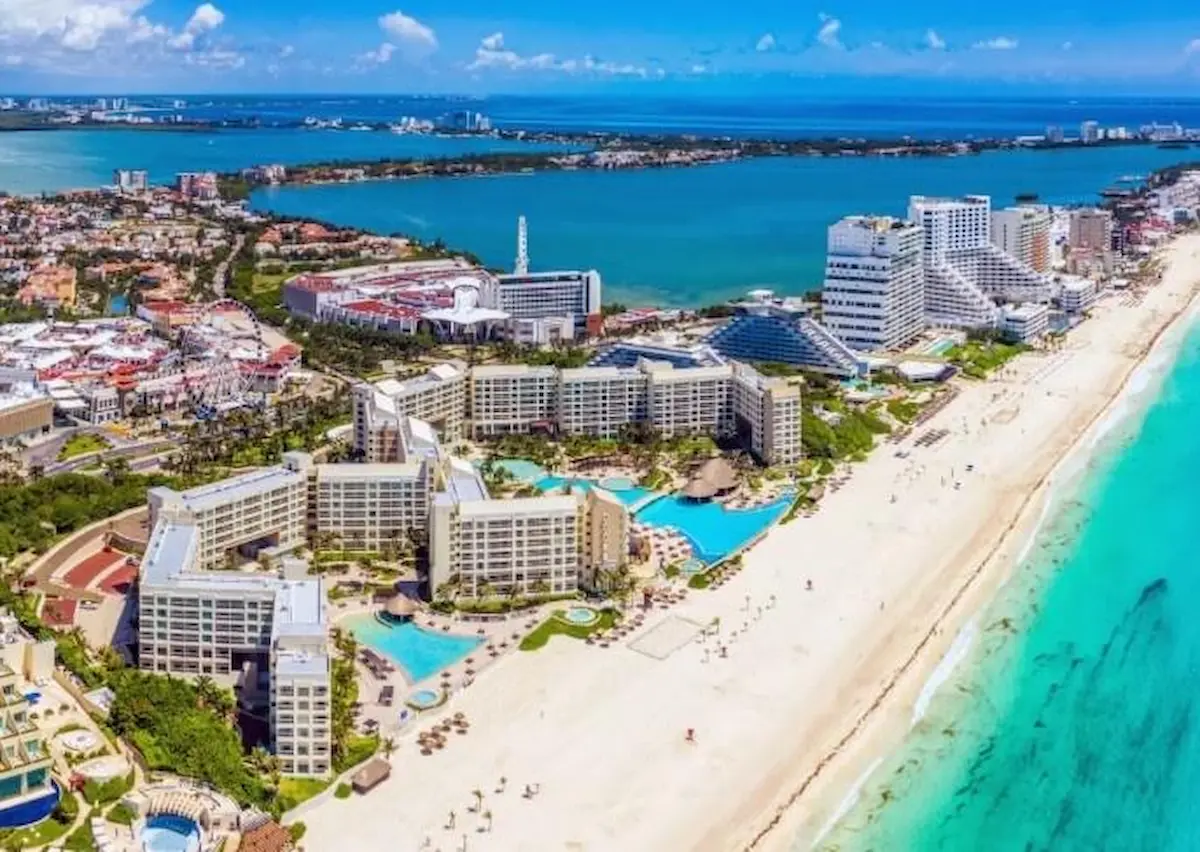
Cancún, Quintana Roo — The all-inclusive resort model that has dominated Cancún’s hotel industry since the 1990s is losing ground, as new tourist behavior and tighter budgets reshape demand in the Mexican Caribbean.
According to the Profile and Behavior of the Tourist in the Mexican Caribbean report for the first quarter of the year, published by the state tourism department (Sedetur), 79.2% of visitors to Quintana Roo stay in hotel rooms. However, 45% of them arrived without purchasing a complete package covering airfare, all-inclusive lodging, and ground transportation. Only 39% bought an all-inclusive package; the rest booked their flights, accommodations, and tours separately, reacting mainly to price.
Even travelers who do choose all-inclusive are showing signs of discontent. On social media, guests have complained that resorts are not delivering on promised nightly entertainment and varied dining, citing reduced restaurant hours, lower-quality menus, and fewer amenities. Hotel operators are cutting services to offer more competitive prices, leaving guests with limited options.
Spending among visitors has also declined. Demand for nautical tours has fallen, with most tourists taking only one or two excursions during their stay — usually to archaeological sites such as Chichén Itzá or Tulum, or to a theme park. Fewer are booking side activities like jet ski rentals or trips to Isla Mujeres. Restaurants, nightclubs, and theme parks have reported weaker attendance.
In response, the hotel sector is adapting. More than 11% of tourists to the region now stay in residential rentals, often arranged through online platforms, where they cook their own meals and seek a more local experience. Others are looking for nothing more than a comfortable room with reliable Wi-Fi, skipping pools and restaurants altogether.
Developers are becoming more creative with new lodging concepts. Some hotel chains are offering private villas within large resort complexes, giving guests access to all-inclusive services with more privacy. Others are introducing themed rooms — featuring characters or special décor — aimed at segments such as adults-only travelers.
In Cancún’s hotel zone, more than 98% of properties operate under all-inclusive terms. The zone holds over 35,000 rooms across more than 190 hotels, and 56% of those properties also function as timeshares. At least 10% have opened up to residential stays, and around 5% of rooms are themed or tailored to a specific audience. One “Gran Turismo” hotel still operates exclusively under the old European Plan, and a handful of properties have entered the coworking and digital nomad market with minimalist rooms — though these represent less than 2% of the zone’s supply.
Residential rentals in complexes and condominiums in the hotel zone are also gaining ground, driven by availability, price, and a growing desire among tourists to explore the region rather than remain inside a resort.
More Business
- Playa Spice Returns With Six Weeks of Restaurant Offers in Playa del Carmen
- Bacalar Hoteliers Push for More Flights at Chetumal Airport as Tulum Routes Shrink
- Mexico Edging Closer to New US Trade Deals, Ebrard Says
- Senate Gives Defense and Navy Vote on Reviewing Foreign Investment in Mexico
- OXXO Round-Up Drive to Fund School Breakfasts for 680 Children in Cozumel
More Cancun
- Two Missing Children Found Walking Alone in Cancún After 18-Hour Search
- Man, 27, Has Lived in Cancún Airport Terminal for Three Weeks
- Quintana Roo Authorities Search for Mother and 2-Year-Old Son Missing After Trip to Isla Mujeres
- Cancún Shelter Offers Medical Care and Detox for Homeless Residents
- Cancún Receives Up to 60 Animal Abuse Complaints a Day