
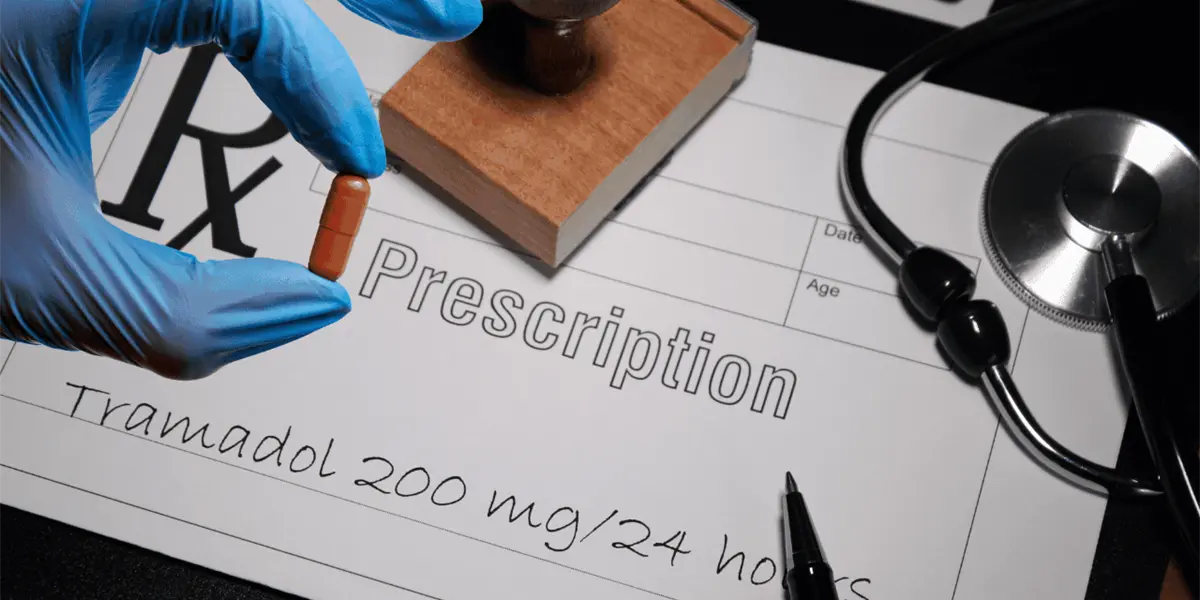
Mexico City — Mexico’s Federal Commission for the Protection against Sanitary Risks (Cofepris) has reclassified tramadol as a controlled substance, requiring a medical prescription for purchase starting July 14, 2026.
The opioid analgesic will be listed under Fraction III of controlled medications, subjecting it to stricter sanitary controls throughout the supply chain. The measure follows amendments to the General Health Law published in January 2026, aimed at strengthening oversight of drugs with dependency potential, preventing self-medication, and combating illegal opioid sales.
Cofepris said products with previous classifications must adjust to the new regulatory framework during a transition period. The reclassification aligns Mexican regulations with international standards for opioid medications.
Why Tramadol Is Being Reclassified
Tramadol is widely used to treat moderate to severe pain, but health experts warn that prolonged use can lead to dependence, tolerance, and addiction. The drug acts on the central nervous system, altering pain perception and influencing neurotransmitters like serotonin and norepinephrine.
According to MedlinePlus and the Mayo Clinic, long-term use or doses higher than prescribed can cause physical and psychological dependence. Over time, the body develops tolerance, requiring larger doses for the same pain relief.
Signs of dependence include needing higher doses, difficulty stopping treatment, anxiety about not having the medication, and withdrawal symptoms upon abrupt discontinuation.
New Rules for Pharmacies and Distributors
Under the new rules, pharmacies must validate each prescription, seal each dispensed batch, and record all transactions in the Psychotropic Drug Control Log. Manufacturers, importers, distributors, warehouses, and retailers must meet new requirements for storage, traceability, and sanitary surveillance.
Cofepris has launched an information campaign to prepare all supply chain members before the measure takes effect.
Risks of Tramadol Misuse
Abuse of tramadol can lead to serious health consequences, including respiratory depression, seizures, overdose, and withdrawal syndrome. The risk increases when combined with alcohol or other central nervous system depressants.
Specialists warn that some people continue using tramadol even after pain subsides due to dependence developed during prolonged treatment.
With this reclassification, Cofepris aims to strengthen sanitary control of tramadol, reduce addiction risk, and ensure one of Mexico’s most used opioids is prescribed and dispensed under stricter medical supervision.
More Lifestyle
- Cozumel Beach Club Injury: New Reports Identify Worker, but Crocodile Link Remains Unconfirmed
- Back-to-School Costs Push Mexico’s Inflation to 3.42% in Early September
- La BAMBA Festival in Playa del Carmen Closes Ninth Edition With Six-Hour Concert
- Social Run Brings 3, 5 and 10K Routes to Cancún’s Nichupté Bridge
- Playa del Carmen Weighs Bike and Scooter Registration, QR Tags and Insurance