Mexico City — Mexico’s Health Secretary David Kershenobich said Monday that an estimated 128,000 people living with HIV in the country are unaware of their condition, calling for expanded testing to meet the goal of eliminating the virus as a public health threat by 2030.
Speaking at the president’s daily news conference, Kershenobich said about 430,000 people are estimated to be living with HIV in Mexico, but only 70% — roughly 302,000 — have been diagnosed. Of those diagnosed, 95% receive treatment and the same percentage have achieved viral suppression.
“The important challenge from now until 2030 is precisely the detection of 128,000 people who still do not know they are living with HIV,” Kershenobich said. “That is why it is very important to insist on diagnosis to reach the goal of 95% diagnosed, 95% treated, and 95% virally suppressed.”
Kershenobich noted that thanks to scientific advances and access to treatment, the life expectancy and quality of life for people with HIV is now “practically normal.” He reaffirmed the government’s commitment to eliminating HIV by 2030.
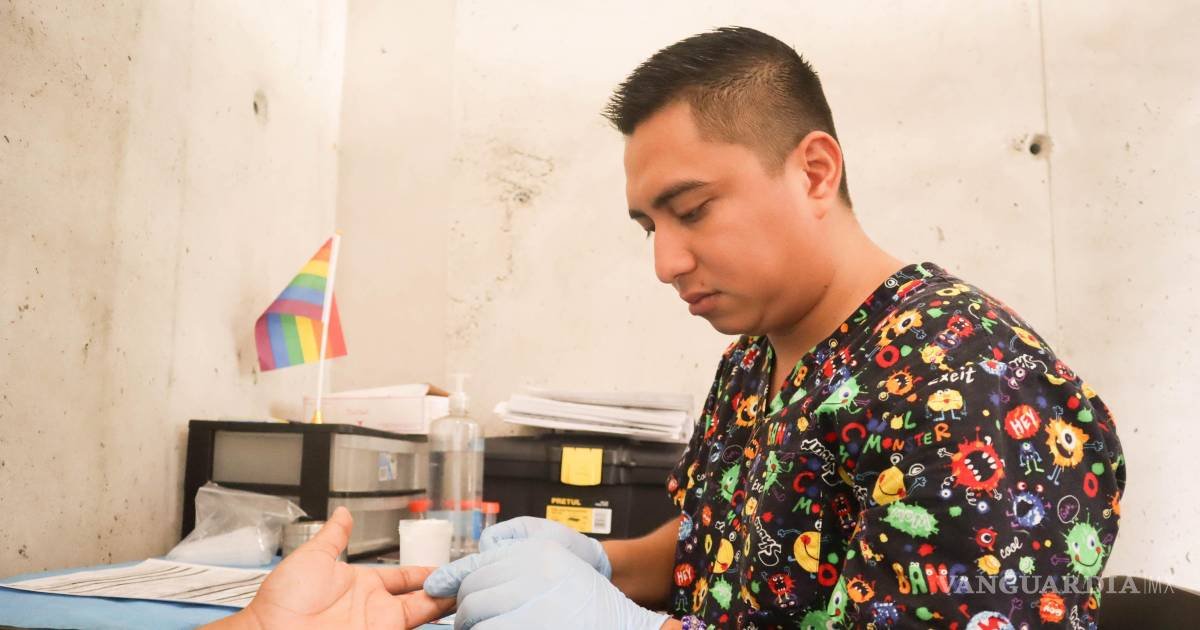
HIV testing is free for all people regardless of insurance status, he said, and is available at all primary care units across the country’s 32 states, as well as through campaigns in schools, workplaces, and health fairs.
Treatment is also free at all public health institutions, including the IMSS, IMSS-Bienestar, ISSSTE, Pemex, state health services, and the armed forces, through consolidated purchases that ensure national supply. Diagnosed patients receive at least a three-month supply of medication to avoid treatment interruptions and reduce trips to medical facilities.
Kershenobich explained that a person with an undetectable viral load cannot transmit the virus, making treatment a key prevention strategy. The health system also offers free pre-exposure prophylaxis (PrEP) for people at higher risk and post-exposure prophylaxis (PEP) within 72 hours of possible exposure.
More Lifestyle
- Mexico’s Senate Approves Animal Welfare Law With Fines up to 229,000 Pesos
- Yucatán Congress Repeals HIV ‘Danger of Contagion’ Crime
- Four Years After Decriminalization, Quintana Roo Feminists Say Abortion Access Still Falls Short
- Tulum Residents Identify Five Sites Where Homeless People Gather
- Cancun’s Night Bike Ride Returns to Avenida Bonampak on October 3