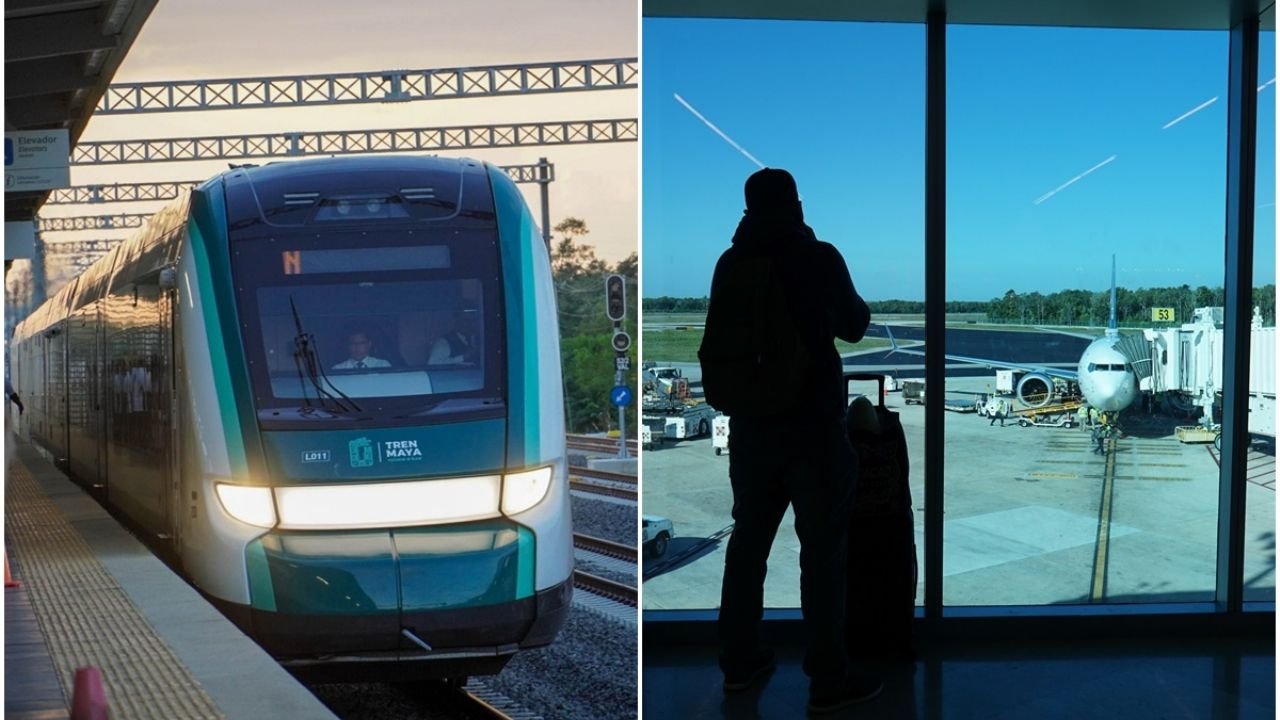
Mexico City — Mexico’s Secretariat of Environment and Natural Resources (Semarnat) has approved the Cancun Sur Bypass, a 15.4-kilometer road that will connect the Maya Train cargo terminal to Cancun International Airport and Federal Highway 307, officials announced. The project, which requires clearing 68.5 hectares of medium semi-evergreen jungle, was authorized on June 1, 2026, after nearly six months of environmental review.
The bypass represents an investment of 3.121 billion pesos (about $156 million) and includes three lanes in each direction, a 1.16-kilometer viaduct to cross the Maya Train tracks without disrupting rail operations, a bridge over Huayacan Avenue, and interchanges with Federal Highways 180 and 307. The project also includes drainage, sidewalks, and bike lanes in some sections. Construction is expected to take 18 months, with an estimated lifespan of 50 years.
Environmental Mitigation Measures
The environmental impact assessment identified 260 interactions between project activities and ecosystem components, highlighting risks such as habitat fragmentation, dust and noise during construction, and potential contamination of the karst aquifer. To mitigate these impacts, the project includes a 66.9 million peso ($3.3 million) budget for environmental programs and a 77.5 million peso ($3.9 million) bond to ensure compliance.
Mitigation measures include relocating plants and animals to safe areas, prioritizing protected species; building wildlife crossings to prevent roadkill; and monitoring reforestation and soil conservation efforts.
Context
The Maya Train is a flagship infrastructure project of the federal government, spanning approximately 1,554 kilometers across five southeastern states: Chiapas, Tabasco, Campeche, Yucatan, and Quintana Roo. Beyond the railway, it has spurred construction of stations, cargo terminals, hotels, and connecting roads. The Cancun Sur Bypass is one of these complementary works and adds to the ongoing debate over the project’s environmental impact.
More Environment
- Playa del Carmen Unveils Recycled-Plastic Lifeguard Tower at Playa 72
- Chankanaab Park Eyed as Site for Cozumel’s First Dolphin Sanctuary
- Tulum Launches Credentialing Program for Parque del Jaguar Tourism Workers
- Cancún to Host National Climate Change Colloquium in October
- Riviera Maya Hotels Offer Free Nights When Sargassum Blocks the Beach
More Cancun
- Million-Dollar Robbery in Cancún Triggers Major Police Deployment
- Two Extortionists Sentenced to 22 and 15 Years in Cancún
- Four Years After Decriminalization, Quintana Roo Feminists Say Abortion Access Still Falls Short
- Fake Priests Target Hotel Weddings in Cancún, Diocese Warns
- Cancun’s Night Bike Ride Returns to Avenida Bonampak on October 3