Mexico City — Mexican agricultural producers expect the United States to propose seasonal restrictions on imports of fruits and vegetables during the second round of the USMCA review this week, echoing similar pressures seen in 2017.
The National Agricultural Council (CNA) anticipates that the Office of the US Trade Representative (USTR) will argue that Mexican produce should not enter the US during certain times of the year to avoid competing with domestic harvests.
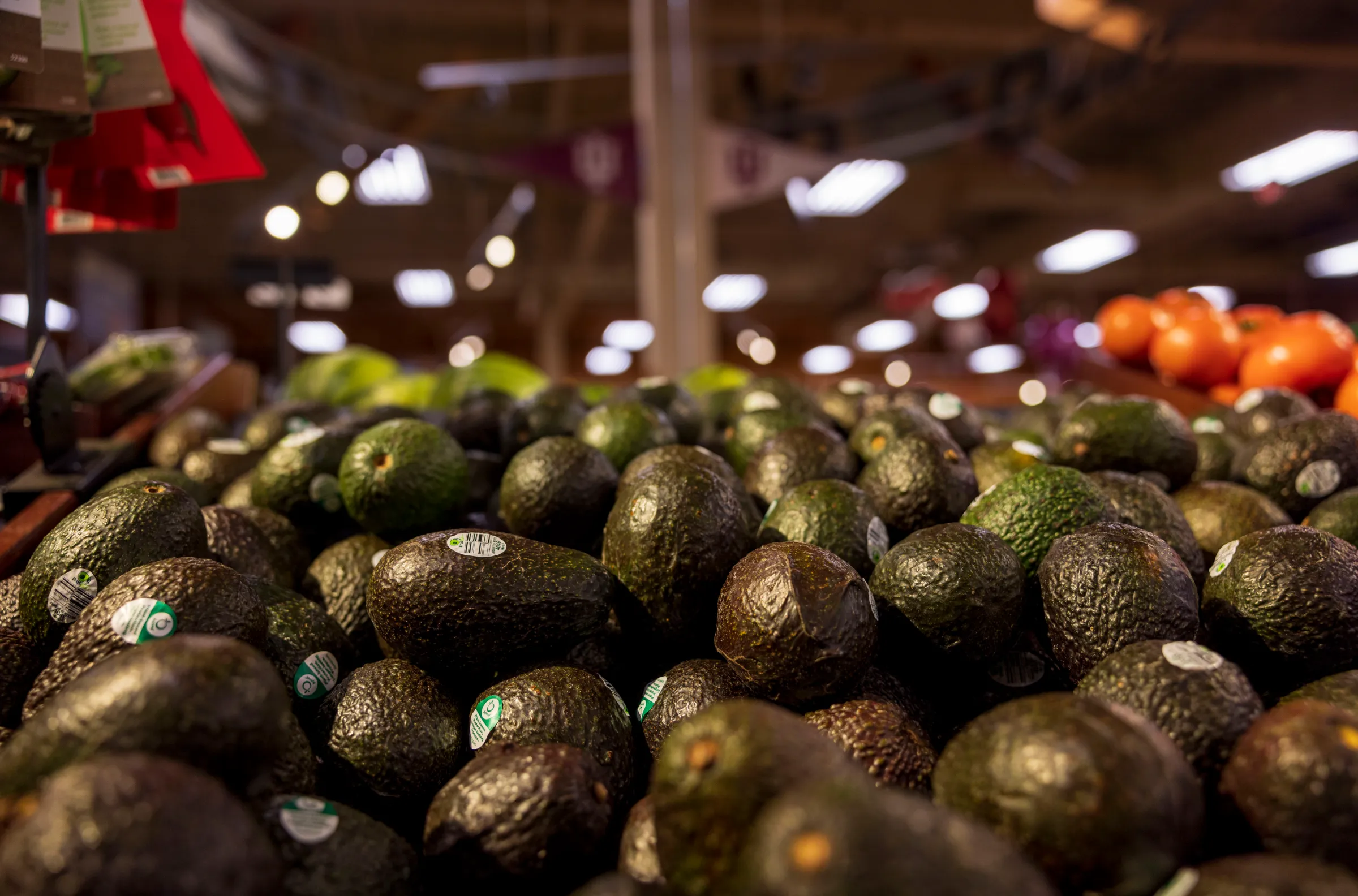
CNA President Jorge Esteve Recolons said growers expect restrictions on berries — including strawberries, blueberries, and raspberries — as well as avocados, cucumbers, grapes, and asparagus.
Juan Cortina, vice president of the Business Coordinating Council (CCE), explained that the Trump administration intends to apply antidumping rules tied to specific growing cycles. He noted that such seasonal measures would violate both USMCA and World Trade Organization rules, creating international incompatibility.
Experts also expect discussions to revisit the 17.09% compensatory duty imposed on Mexican tomatoes in May 2025, after the US terminated a suspension agreement, arguing that Mexican tomatoes cross the border below fair market value.
Other contentious issues include restrictions on Mexican cattle exports due to the screwworm, and an ongoing investigation into alleged unfair trade practices involving Mexican strawberries, with a ruling expected in July.
The USTR’s 2026 National Trade Estimate Report on Foreign Trade Barriers notes that US agricultural producers are concerned about Mexico’s restrictions on genetically modified corn, potatoes, and sanitary regulations, as well as bureaucratic hurdles for importing insecticides, agricultural chemicals, and obtaining biotechnology permits.
Juan Carlos Anaya, director of the Agricultural Markets Consulting Group (GCMA), highlighted that US lawmakers will use the USMCA review to push for the elimination of Mexican re-inspections of grain imports. They will also demand a review of Mexico’s zero-tolerance policy for soil residues and seek to resolve disputes over agricultural biotechnology, which they say creates costs and delays for US businesses.
More Economy
- Mexico Assigns $110 Million Navy Budget to Fight Sargassum in Quintana Roo
- Mexico’s Treasury Seeks Power to Ban Cash Payments Sector by Sector
- Business Leaders Urge Playa del Carmen to Diversify Economy as Tourism Slumps
- Playa del Carmen Inaugurates Plaza Punto Sur Under Public-Private Alliance
- Tren Maya Spends Eight Times More Than It Earns, Lawmaker Says