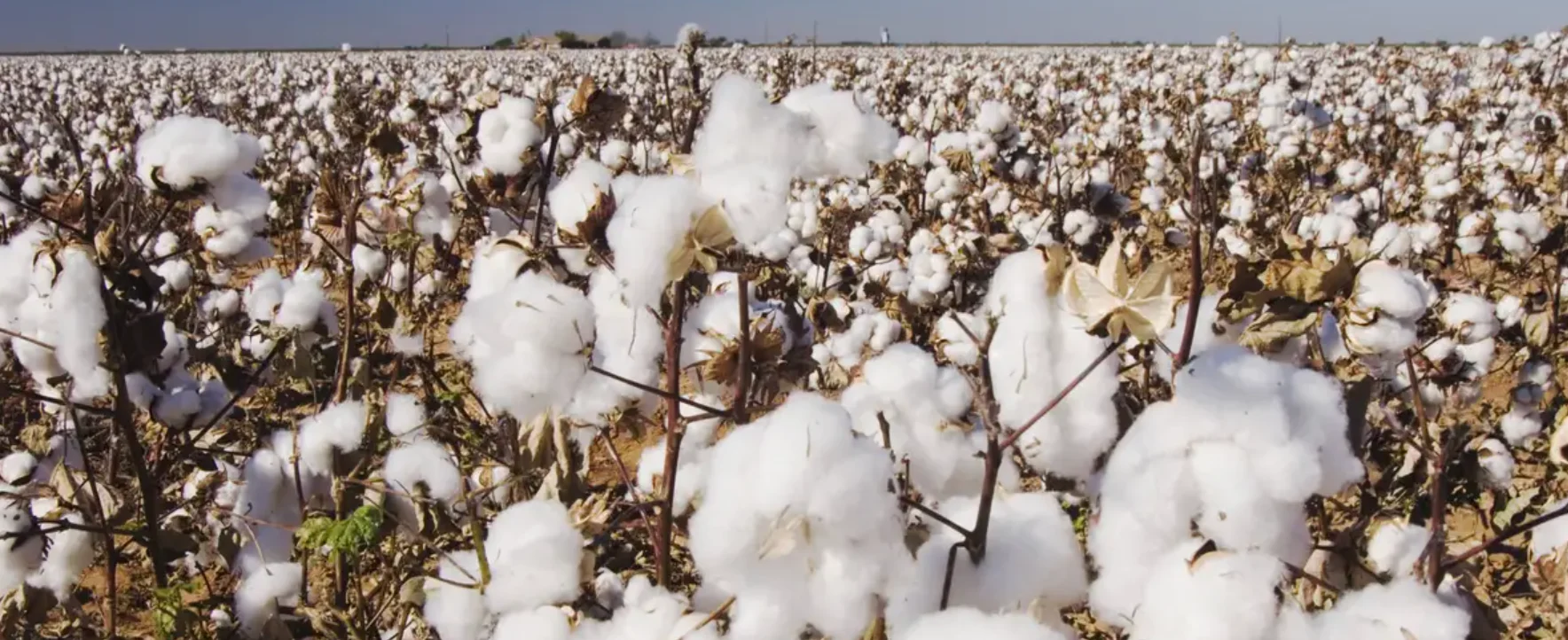
Yucatan Peninsula, Mexico — A new genomic study has confirmed that the origin of domesticated cotton lies in Mexico’s Yucatan Peninsula, settling a long-standing debate about where the world’s most important natural textile fiber was first cultivated.
Researchers led by Iowa State University published their findings in the Proceedings of the National Academy of Sciences (PNAS), analyzing wild cotton populations from Florida, the Yucatan Peninsula, and the Caribbean islands of Puerto Rico and Guadeloupe.
The study suggests that cotton domestication was a gradual process characterized by the accumulation of mutations over time, rather than rapid changes seen in many other crops.
“The analyses confirm the hypothesis that the Yucatan Peninsula in Mexico is the center of domestication, from which the original perennial forms and later modern annual crops derived,” the study states.
Genomic evidence points to northwestern Yucatan as harboring the greatest genetic diversity, compared to smaller, more dispersed populations in the northeastern peninsula and the Caribbean basin. However, populations in Florida and other Caribbean areas also contain unique genetic diversity.
The research quantified diversity in wild cotton populations, revealing the origin of the cultivated gene pool, the genetic bottlenecks that accompanied domestication, and the ecological and anthropogenic processes that shaped current diversity and geographic distribution.
More Business
- Imports Hit Record, US Trade Deficit Widens Despite Tariffs
- MarAlliance Launches Free MARAP App to Track Marine Wildlife in the Mexican Caribbean
- Playa del Carmen Seeks Million-Dollar Investment for Sargassum Processing Plants
- Cancún Restaurant Sector Welcomes Extended Hours in Hotel Zone
- Yucatan Debuts Southeast Mexico’s First Cyclotron for Precision Oncology