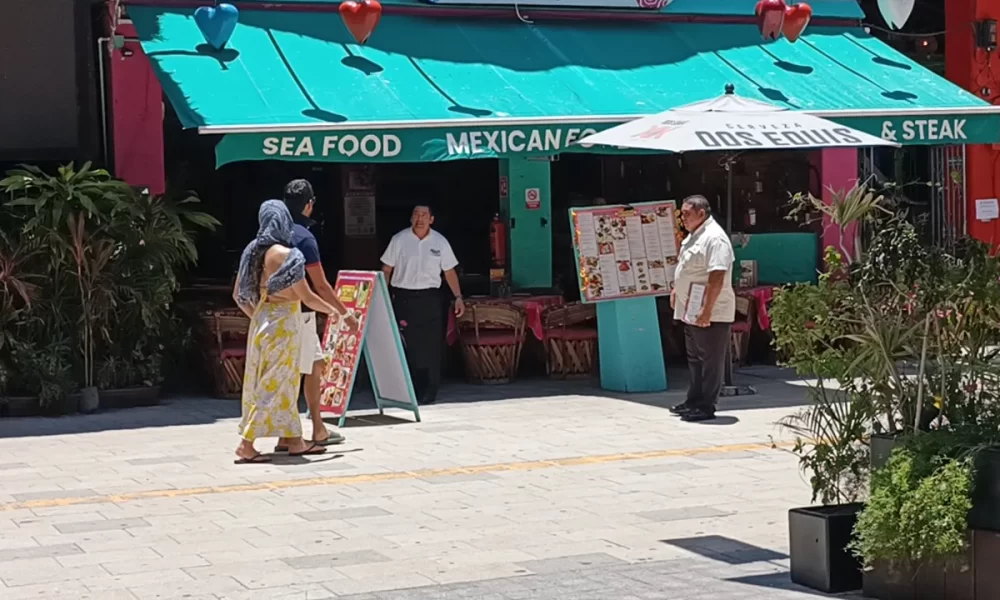
Playa del Carmen, Quintana Roo — Between 400 and 600 restaurants in Playa del Carmen could be affected by FIFA’s fees and restrictions for broadcasting matches and using official imagery from the 2026 World Cup, warned Roberto Lepe, president of the local chapter of the National Chamber of the Restaurant and Seasoned Food Industry (CANIRAC).
With just two days until the tournament kicks off, Lepe said the requirements were only confirmed in recent weeks, catching many establishments off guard. Restaurants had hoped to capitalize on the expected surge in customers during the event.
“We’re talking about restaurants that want to take advantage — it’s been a very tough season — and now they have to pay for broadcasts,” Lepe said.
The costs for the necessary authorizations range from 4,500 to 23,000 pesos (approximately $240 to $1,230), depending on each business’s capacity and features, making them unaffordable for many.
Lepe said CANIRAC held meetings at both local and national levels to analyze the issue and understand the scope of FIFA’s commercial rights rules.
According to his estimates, between 20% and 30% of the roughly 2,000 restaurants operating in Playa del Carmen will be directly affected, especially those that typically benefit from increased foot traffic during sporting events.
Beyond match broadcasts, the restrictions also cover the use of player images, official logos, uniforms, balls, and any other elements related to the FIFA brand and the World Cup.
“It means you can’t use any of this unless you’ve paid the rights,” Lepe said.
Businesses wishing to use official material must obtain specific authorizations from FIFA, with costs varying based on the intended commercial use of the tournament’s image.
Lepe added that the dissemination of these rules was insufficient, causing confusion and uncertainty among business owners who now have little time to comply before the World Cup begins.
He noted that high ticket prices for matches make restaurants a primary option for fans to gather and watch games, so the restrictions could limit an opportunity for economic recovery in the sector.
“It’s a blow, a real goal — a penalty that wasn’t reviewed,” he concluded.
More Business
- Cancún Airport Transporters Blame ASUR for Steep Fees
- Akumal Halts Turtle Swim Tours Through September
- Mexico’s Treasury Seeks Power to Ban Cash Payments Sector by Sector
- Quintana Roo Civil Protection Warns Against Fireworks Ahead of Independence Day
- Business Leaders Urge Playa del Carmen to Diversify Economy as Tourism Slumps
More Playa del Carmen
- Playa del Carmen Inaugurates Plaza Punto Sur Under Public-Private Alliance
- Mayakoba Resorts Accused of Illegally Withholding Up to 35% of Worker Tips
- Cenotes in Playa del Carmen Face Contamination Risk From Poor Sanitary Infrastructure
- GPS Leads Police to Rental Car Reported Stolen in Cancún; Two Arrested in Playa del Carmen
- Two Men Bound Over for Trial in Playa del Carmen Extortion Case