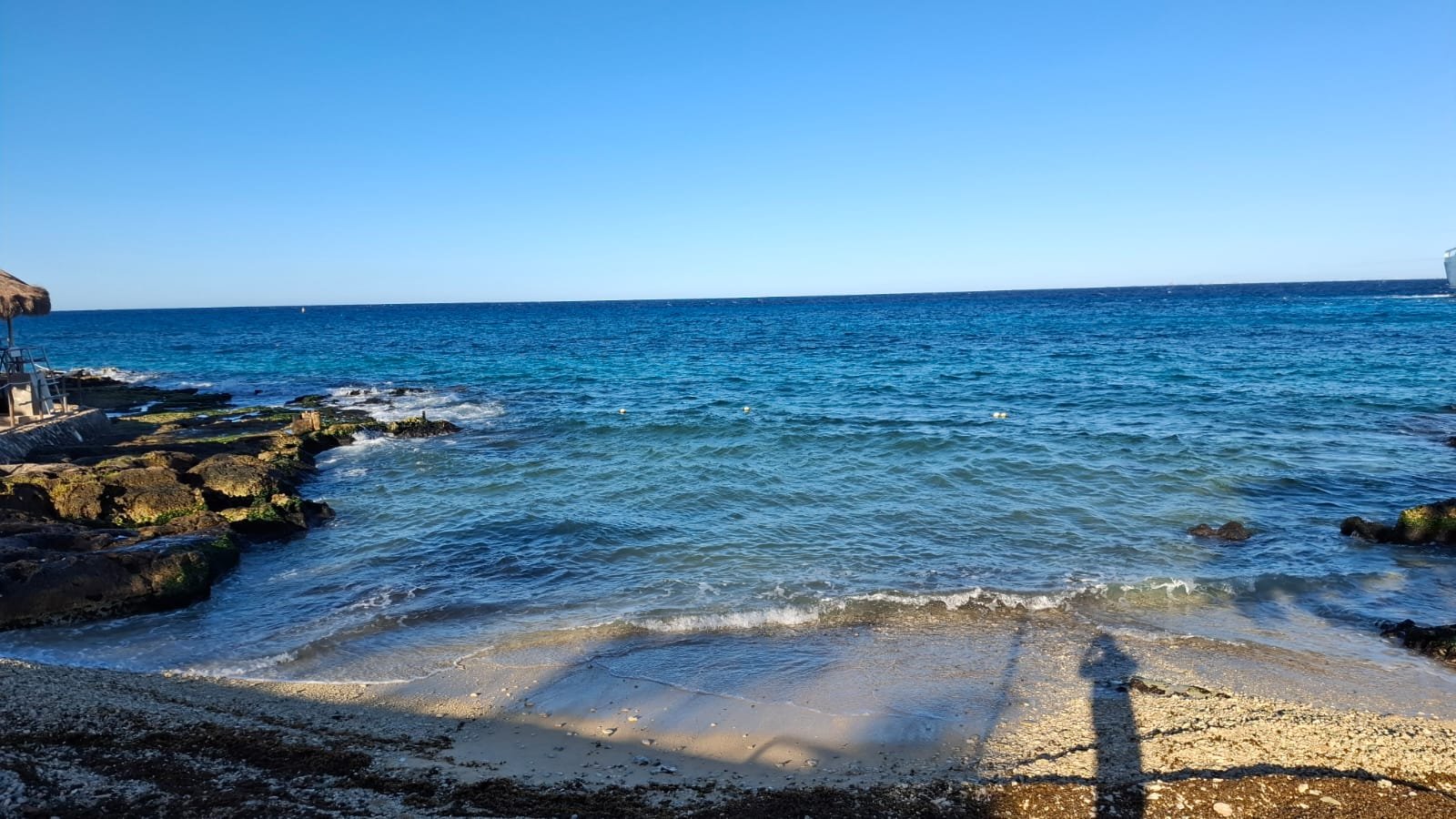
Cozumel, Quintana Roo — An increase in sargassum along Cozumel’s eastern coast has prompted intensified daily cleanups, with crews hauling between six and 10 tons of the seaweed each day to prevent harm to tourism and the ecosystem during the peak summer vacation season.
Gerardo Can Novelo, director of the Federal Maritime Terrestrial Zone (Zofemat), said cleanups run daily from 7 a.m. to 1:30 p.m., focusing on Chen Río, Mezcalitos, and Punta Chiqueros, where wind and currents have driven more seaweed ashore in recent days.
Operations also include measures to protect sea turtle nesting season. Before removing the macroalgae, crews coordinate with the Ecology Department to locate nests and avoid damage from machinery or manual cleaning, Can Novelo explained.
Despite the increased arrivals on the east side, public beaches that draw the most tourists remain sargassum-free, allowing visitors and residents to enjoy them without the nuisance of accumulated seaweed.
The Quintana Roo Sargassum Monitoring Network reported in its weekly update that 68 of 140 monitored beaches in the state have sargassum at varying levels, showing the phenomenon continues to affect the coastline during the holiday period.
More Environment
- Cancún to Open Glass Collection Center as Part of Circular Economy Push
- Cave Divers Push to Revive Jacinto Pat Museum in Tulum to Showcase Caves and Underground Rivers
- Snakes Account for Nearly Half of Cancún’s Wildlife Reports, Firefighters Say
- Screwworm Still Dominates Playa del Carmen Vet Visits Despite Falling Cases
- Playa del Carmen Mayor Leads Coastal Cleanup With More Than 2,000 Volunteers
More Cozumel
- Sinkhole Opens Beside Pool at Occidental Cozumel, Injuring Four Tourists
- Fitch Assigns AA+ Credit Rating to Cozumel’s Banobras Debt
- Cozumel Breaks Ground on Police Barracks to Double Force From 200 to 400 Officers
- Mara Lezama Breaks Ground on New Cozumel Poliforum With Capacity for 2,500
- Cozumel Day of the Dead Festival Opens With Michoacán and Monarch Butterfly as Guests