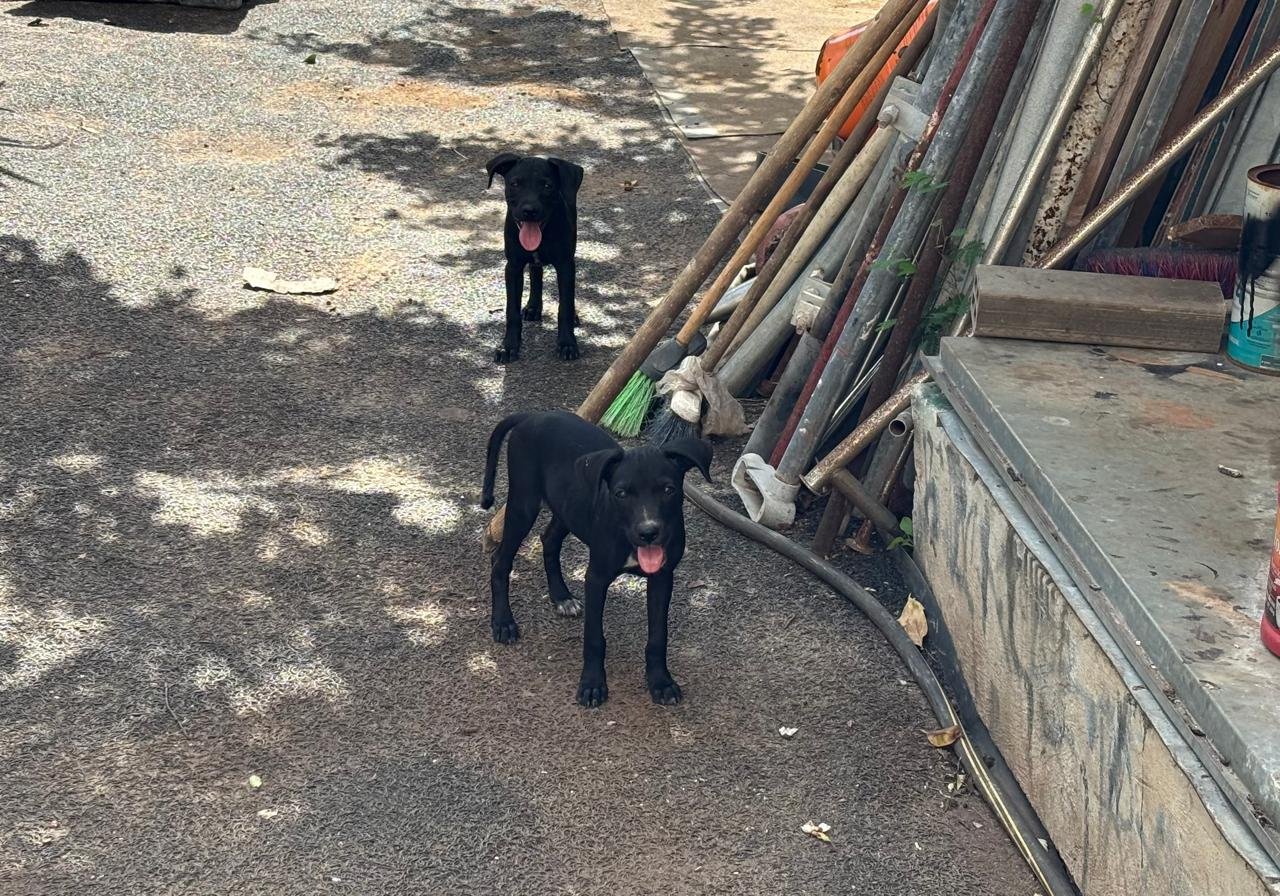
Cancún, Quintana Roo — Five out of 10 dog owners in Cancún still walk their pets without a leash, a practice that animal protection groups say puts pets at risk of poisoning, accidents, and abuse.
The warning comes after a recent case of an allegedly poisoned dog in Tulum, which reignited calls for stronger responsible pet ownership culture.
Rogelio Robles, vice president of the animal welfare group Dejando Huella, said that allowing dogs to roam free makes it easier for them to instinctively eat food or objects found on the street, some of which may contain toxic substances. He also noted that unleashed dogs are vulnerable to being hit by cars, getting into fights with other animals, or being attacked by people.
Robles emphasized that responsible ownership means keeping pets under control during walks, using a leash, picking up waste, and complying with state laws designed to protect both animals and the public.
The activist lamented that people still resort to poisoning to eliminate dogs or cats, when the real problem lies in abandonment and the lack of responsibility of those who keep them or leave them on the streets. He reminded that animal cruelty is a crime in Quintana Roo.
Although the organization has no record of pet poisonings in Cancún during 2026, Robles said that incidents like the one in Tulum should serve to strengthen prevention and promote greater public awareness about pet care and protection.
More Community
- What Salt, Water, Candles and Flowers Really Mean on a Day of the Dead Altar
- Cave Divers Push to Revive Jacinto Pat Museum in Tulum to Showcase Caves and Underground Rivers
- Bacalar’s Paseo de las Almas to Feature More Than 20 Decorated Boats
- Quintana Roo Hands Two Artisan Carts to 33 Craftspeople in Playa del Carmen
- Snakes Account for Nearly Half of Cancún’s Wildlife Reports, Firefighters Say
More Cancun
- Hyatt Zilara Cancún Reopens After $80 Million Renovation
- Cancún to Open Glass Collection Center as Part of Circular Economy Push
- Tren Maya Dump Truck Drivers in Cancún Demand 120,000 Pesos per 200 Hours
- Cancún Travel Mart Projects $5.45 Billion in Sales at 38th Edition
- Mucbipollo Prices in Cancun Could Hit 1,500 Pesos This Day of the Dead