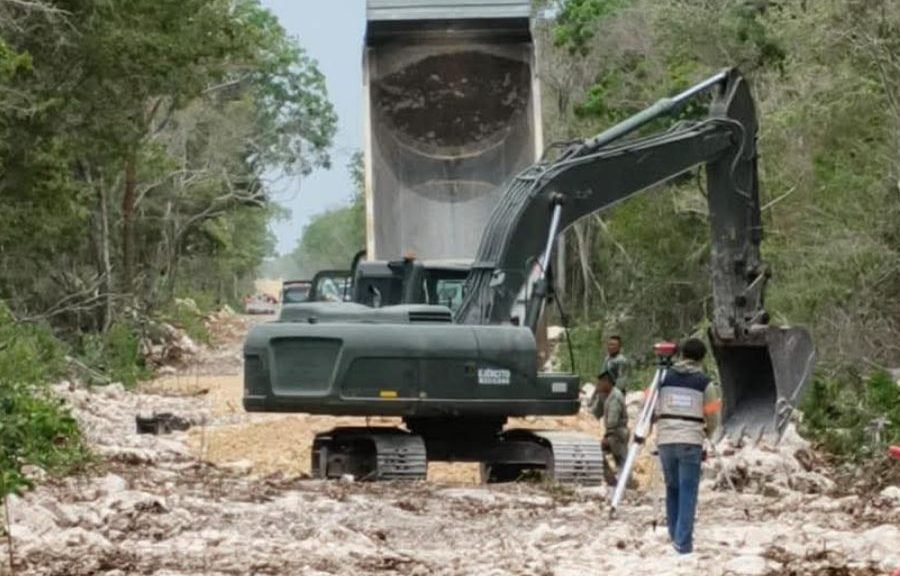
Tulum, Quintana Roo — Citizens have launched a public petition demanding an independent scientific evaluation of the conservation status of the Sac Actun cave system and the Yucatan Peninsula aquifer, along with stronger environmental protections where underground ecosystems intersect with infrastructure projects.
The initiative calls for external specialists to conduct an updated technical analysis and for the results to be made fully transparent and publicly accessible.
The petition, posted on Change.org by Karla Gómez Calderón, is addressed to the Mexican government, the Ministry of Environment and Natural Resources (SEMARNAT), the Federal Environmental Protection Agency (PROFEPA), the National Water Commission (CONAGUA), the United Nations Environment Programme (UNEP), and UNESCO.
Key demands include forming a panel of national and international experts to carry out an independent technical evaluation and establishing a permanent monitoring system with open data.
“We are not seeking confrontation. We seek certainty. We seek transparency. We seek to protect a heritage that belongs not only to Mexico but to humanity,” the petition states.
The Sac Actun system is the world’s largest flooded cave network, playing a critical role in the region’s water supply. Its underground flow feeds cenotes, wetlands, mangroves, and reefs, supports highly biodiverse ecosystems, and preserves archaeological and paleontological remains.
In recent years, researchers, hydrologists, speleologists, archaeologists, and environmental groups have raised concerns about the cumulative impacts of infrastructure projects on water quality and cave stability, according to the petitioners.
While federal authorities have stated that such projects include environmental mitigation measures, the petitioners argue that an independent evaluation with continuous monitoring and open data would strengthen public trust and conservation efforts.
The call also proposes creating dialogue spaces among authorities, the scientific community, indigenous peoples, and civil society to ensure more transparent and collaborative management of the region’s main subterranean system.
More Environment
- Drought Reaches All 11 Municipalities in Quintana Roo
- Horseshoe Crabs in Isla Mujeres Face Threat From Bait Fishing in Laguna Chacmuchuch
- Tulum Residents Demand Comprehensive Water Quality Study for La Veleta
- Tulum Circula Advises More Than 120 Businesses on Separating and Tracking Waste
- Yum Balam Management Review Must Include Chiquilá Ejido, Commissioner Says
More Tulum
- Aeroméxico to Suspend Tulum Flights, Calls It a Temporary Pause
- Tulum Firearms Seizures More Than Double 2024 Total, Officials Say
- Fatal Motorcycle Crash Closes Federal Highway 307 at Tulum
- Drainage Connection Gap Worsens Pollution of Cenotes and Beaches in Quintana Roo
- At Least 10 Shots Fired at Tulum Office Building, Triggering Major Police Response