
Tulum, Quintana Roo — Tulum is racing to avoid becoming the first “seasonal” destination in the Mexican Caribbean, a scenario in which a tourism hub stops operating because it no longer has enough demand. The condition has forced closures in some regions of Spain and other countries, and local business leaders say they are determined to prevent the same fate here.
“When a business temporarily lowers its curtain, it’s usually permanent,” said Perla Flores, head of the National Chamber of the Restaurant and Seasoned Food Industry (Canirac), warning that a temporary closure often becomes definitive. Flores said the Canirac delegation in Tulum will be formally established within the next two months to support the destination’s reactivation.
Tulum’s situation is increasingly difficult. Occupancy has plunged and nearly every business sector tied to tourism has been affected, even though the area received major federal projects including the Tren Maya station, El Jaguar Park and the Felipe Carrillo Puerto International Airport.
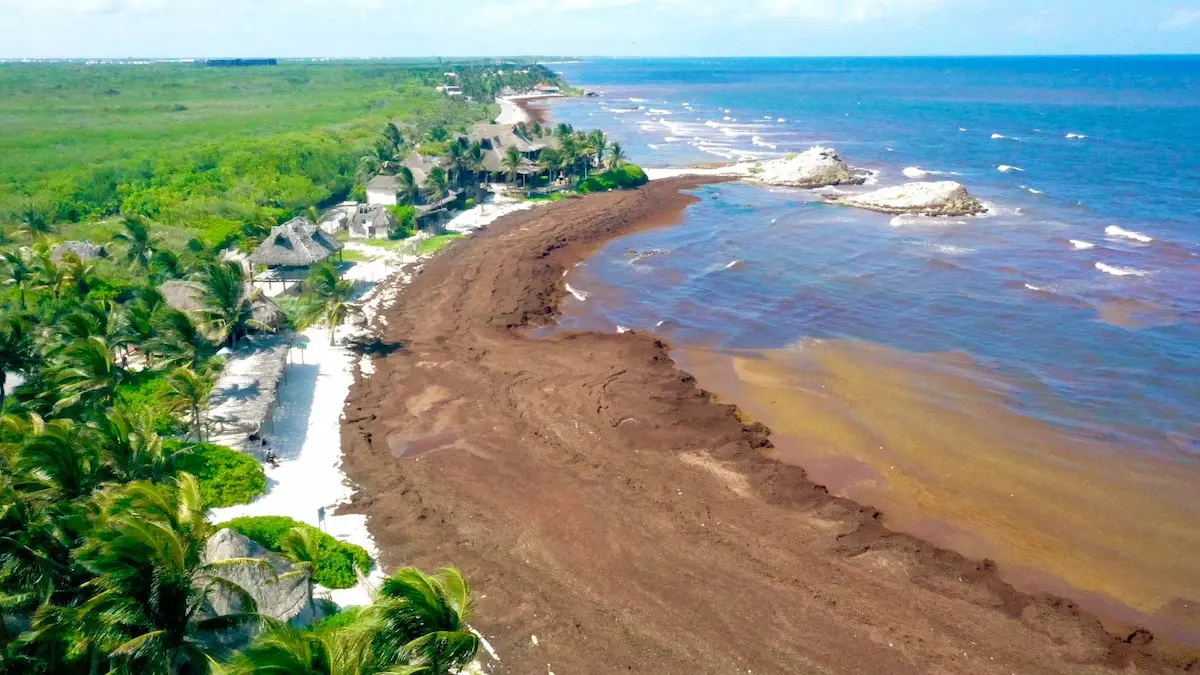
Local residents and the tourism sector have spent months warning about insecurity, falling operations, abuse by authorities against businesses and visitors, a lack of public beach access, and what they describe as excessive control by the Mexican Navy over federal projects. The relentless arrival of sargassum seaweed has compounded the problems.
These problems will not disappear overnight. Although the federal government has had to take the reins to try to revive Tulum, the effects of years of neglect still leave open the possibility of temporary closures. Hotel solidarity days, the closing of floors at major developments and efforts to boost connectivity are not enough unless the “Tulum Renace” plan advances with a coordinated vision, industry leaders said.
Hotel occupancy has reportedly fallen to about 20 percent even during high season, after Tulum was the most successful destination in the Mexican Caribbean in terms of rates and occupancy for more than a decade. The hotel sector has raised the need to operate on a seasonal basis, a prospect it hopes to avoid.
On connectivity, nine new air routes scheduled for the winter season are seen as positive, but they are temporary or seasonal routes and do not yet guarantee a real return of tourism.
Authorities have also taken steps to address conflicts at El Jaguar Park, beach access and the Tulum archaeological zone. Complaints of abuse still surface on social media, but there is hope that by the winter season, the revival of Tulum will move from paper to action. Otherwise, sustaining operations after winter will be difficult.
Hoteliers and restaurateurs say they are willing to endure one more bad season, but they warn that without a clear recovery, it will be hard to avoid falling into the feared “temporalidad.”
More Tourism
- Cancún Airport ‘Pirate’ Transporters Accused of Intimidating Tourists Over Uber and Didi
- Hurricane Polo Hits Category 5; Five Mexican States Brace for Heavy Rain
- Playa del Carmen Beach Restoration Clears Environmental Hurdle, Mayor Says
- Cozumel Lifeguards Keep Watch Over Playa Caleta After Crocodile Sighting
- Community Tourism Brings Income to Sacalaca With Small Groups and Cenote Protection
More Tulum
- Tulum Adds Artisan Market and Caribbean Culture Festival to Its Tourism Lineup
- Culture Ministry to Inspect Ceremonial Pole Ahead of Voladores de Papantla Return to Tulum
- Tulum Beach Cleanup Pulls 32 Kilos of Marine Debris From Playa del Pueblo
- Coastal Dune Loss Weakens Natural Defenses in Quintana Roo
- Felipe Carrillo Puerto Weighs Access Fee for Puerta al Mar