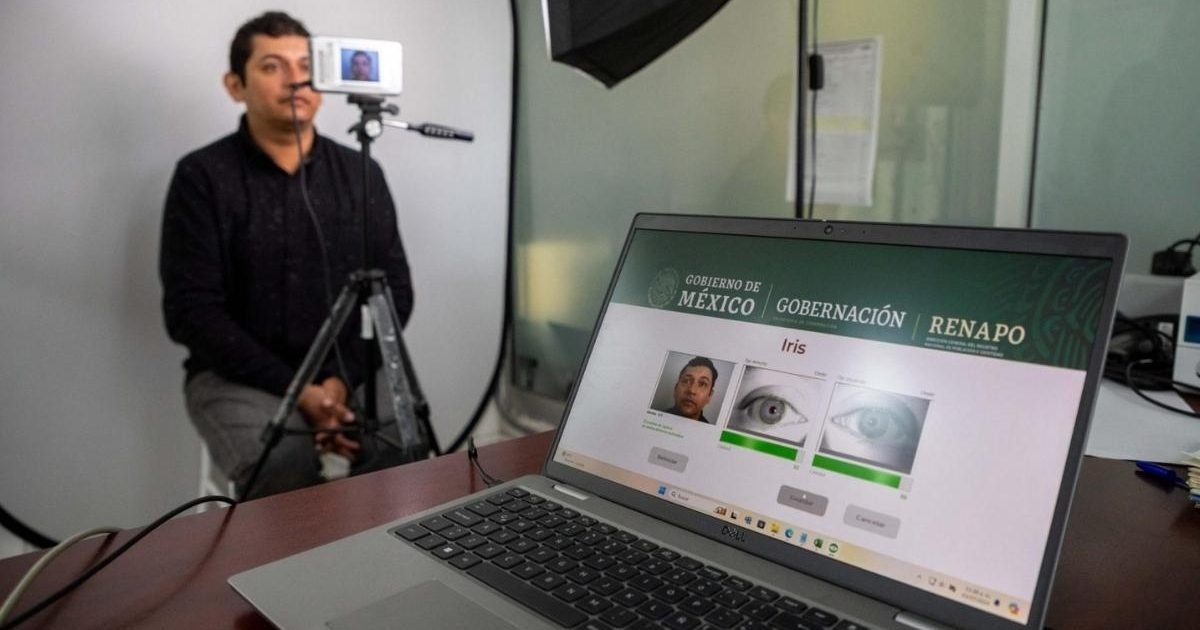
Cancún, Quintana Roo — Quintana Roo is rolling out the biometric CURP in stages and on a voluntary basis, with registration modules across the state where residents can add fingerprints, a facial photograph, an iris scan and an electronic signature to their national identity record, known by its Spanish acronym CURP.
The Interior Ministry (Secretaría de Gobernación) says the process is meant to strengthen personal identification and reduce the risk of duplicate records or identity theft. The state’s Civil Registry and the National Population Registry (RENAPO) are handling the data capture.
The rollout is uneven, so officials advise confirming that a given module is still operating before showing up. The following list reflects the sites and schedules reported so far and is subject to change.
Where to Apply in Quintana Roo
Cancún (Benito Juárez)
Registration in Cancún is handled in person and does not require an appointment at the modules that are operating. Service is by numbered ticket, and officials recommend arriving early because only about 35 tickets are issued per location each day. The reported sites are:
- Downtown: Calle Margaritas 31, near Parque Las Palapas, colonia Centro, C.P. 77500.
- Hotel Zone: Boulevard Kukulcán, kilometer 12.
- Región 94: Manzana 76, Lote 03, Calle 44 Poniente, next to the DIF building, C.P. 77517.
Chetumal (Othón P. Blanco)
Service has centered on Civil Registry Office 01, on Calle Ignacio Zaragoza between Flores Magón and Rafael E. Melgar. Other offices and modules in the municipality have also taken part in the capture process.
Residents should note that printing delays were reported in September because of limited availability of printing equipment. In those cases, people who completed the capture received a registration receipt while they waited for the document to be issued.
Playa del Carmen (Solidaridad)
The reported module is at Civil Registry Office 02, on Avenida CTM between Avenidas 115 and 125, in the Cruz de Servicios neighborhood. Hours are 9 a.m. to 2 p.m.
During some phases of the rollout, the Civil Registry issued a data registration receipt to people who finished the process because production of the biometric document depended on the federal system.
Tulum
Civil Registry Office 01, on Calle Alfa Sur between Calle Sol Oriente and Calle Venus Oriente in colonia Centro, is the reported site. Hours are 9 a.m. to 2 p.m.
The Civil Registry also runs mobile outreach days under the program “Tu Identidad es Tu Derecho” (Your Identity Is Your Right), bringing biometric CURP capture to outlying communities. An official report on one Tulum operation recorded 23 captures.
Other Municipalities
The program has also listed modules and registry offices in Bacalar, Felipe Carrillo Puerto, Isla Mujeres, Lázaro Cárdenas and Puerto Morelos, according to directories published during the rollout. Because infrastructure and staffing are still expanding, the available site, hours and type of service should be confirmed in advance.
What Documents You Need
- A valid official photo ID, such as an INE voter credential or passport.
- A certified, recent birth certificate.
- An updated, certified CURP verified through the Civil Registry.
- Proof of address no more than three months old.
- An active email address.
A certified CURP can be checked and printed from the Mexican government’s official portal. RENAPO says it can be looked up using either the CURP code or the applicant’s personal details. Officials recommend bringing original documents and, where required, photocopies.
What Biometric Data Is Collected
The procedure must be done in person because the data is taken directly from the applicant. The capture can include:
- Fingerprints.
- A facial photograph.
- An iris scan.
- An electronic signature.
The reform behind the biometric CURP calls for identity and biometric data to be added in order to strengthen identification. For minors, the process involves specific conditions and requires a parent or guardian to accompany the child, so applicants should check the module’s requirements beforehand.
Is It Mandatory?
The rollout remains gradual. The Interior Ministry has said the goal is to move toward a CURP with biometric data that can serve as a single, verifiable source of identity.
At the same time, the ministry has clarified that no rule makes the biometric CURP mandatory across the board for all procedures. Officials urge the public to disregard social media posts announcing supposed fines or blanket deadlines that have no official backing.
How Much Does It Cost?
Registration is free. The public should not pay fixers or intermediaries to complete the capture. RENAPO publishes official information on the CURP and its service modules, while the Quintana Roo government maintains Civil Registry directories and services for identity-related procedures.
Modules by Municipality
The following municipalities have publicly available information on modules or outreach days:
- Benito Juárez: three modules in Cancún.
- Othón P. Blanco: Chetumal and other registry offices and modules.
- Solidaridad: Civil Registry Office 02 in Playa del Carmen.
- Tulum: Civil Registry Office 01 and mobile outreach days.
- Bacalar: Civil Registry Office 01.
- Felipe Carrillo Puerto: Civil Registry Office 01.
- Isla Mujeres: Civil Registry Offices 01 and 02.
- Lázaro Cárdenas: Civil Registry Office 01 in Kantunilkín.
- Puerto Morelos: Civil Registry Office 01.
Appearing on this list does not guarantee that an office handles the biometric CURP every day, and officials stress that service should be confirmed before making the trip.
More Government
- INE Opens 2026-2027 Federal Electoral Process in Quintana Roo, Vows to Tackle Voter Apathy
- Mexico Edging Closer to New US Trade Deals, Ebrard Says
- Senate Gives Defense and Navy Vote on Reviewing Foreign Investment in Mexico
- Quintana Roo High School System Aims to Install Cameras at All 44 Campuses
- Cancún Shelter Offers Medical Care and Detox for Homeless Residents
More Quintana Roo
- Maya Council and Xcaret Push Supreme Court to Drop Indigenous Symbols Case
- Cancún Hosts 45 Nations at EU-Caribbean Summit on Sargassum
- Sargassum in Quintana Roo Sets Record With 138,000 Tons Collected in 2026
- Heavy Rain and High Heat Forecast Across Quintana Roo on Friday
- Quintana Roo Warns Against Unchecked Hotel Growth as It Courts Brazil and Colombia