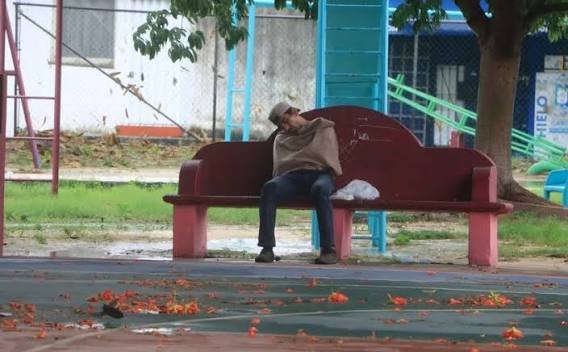
Cancún, Quintana Roo — The “Para transformar vidas” shelter in Cancún offers far more than a bed to the city’s homeless population, providing detox programs, medical follow-up and referrals to hospitals when health conditions require it.
Alberto Ortuño, director of the Municipal Institute Against Addictions (IMCA), said admission to the shelter is only one part of the process. Each person is assessed according to their physical and medical condition and their substance use.
Ortuño said people who arrive under the influence of a substance, show signs of intoxication or are even going through psychotic episodes are first taken to Craadyr 15 in Leona Vicario, where they are stabilized before continuing with care at the shelter.
“Each case is very particular, each circumstance of each user is different,” Ortuño said, explaining that some users have illnesses that require specialized treatment outside the facility.
The IMCA director said the shelter recently transferred several homeless people to receive specialized medical attention. One woman was taken to Cancún General Hospital last weekend for complications related to her kidneys.
Medical monitoring continues once users are inside the shelter, especially when they face illnesses that require consultations, tests or specialized treatment.
Outreach at former hospital site
The care model also covers the people found during a recent operation at the site of the old Cancún General Hospital. Two women and a minor were attended during that intervention and given information about the treatment options available through the institute. In the minor’s case, staff contacted the family to review care options and determine the appropriate process.
Ortuño said the operation allowed officials to reach the people who were staying in the building and offer them support alternatives. Some of them, he said, showed a willingness to learn about the treatments available.
The “Para transformar vidas” shelter continues to operate as part of the municipal strategy for homeless people and keeps spaces available for emergency cases.
Ortuño noted that the needs of this population go beyond substance use, since medical problems and social situations also require coordinated action by different institutions. He called on residents to support the shelter through donations, saying the resources and supplies received strengthen the care given to people who arrive in vulnerable conditions and need lodging, food, medical follow-up or support to begin a recovery process.
More Community
- Two Missing Children Found Walking Alone in Cancún After 18-Hour Search
- Man, 27, Has Lived in Cancún Airport Terminal for Three Weeks
- Cozumel Unveils First Pueblos Mágicos Triathlon in Mexico City
- Quintana Roo High School System Aims to Install Cameras at All 44 Campuses
- Biometric CURP in Quintana Roo: Where to Apply, What to Bring and Whether It’s Mandatory
More Cancun
- Quintana Roo Authorities Search for Mother and 2-Year-Old Son Missing After Trip to Isla Mujeres
- Cancún Receives Up to 60 Animal Abuse Complaints a Day
- Profepa Rules Out Transfer of Three Dolphins From Ventura Park
- IMSS Workers in Cancún March to Demand Higher Pay, Supplies and Staffing
- Suspect in 2023 Cancún Kidnapping Arrested in Chihuahua After Nearly Three Years