Mexico City — Airbnb has expanded into 1,455 municipalities across Mexico, representing 59% of the country’s total, and has removed more than 254,000 homes from the traditional rental market, according to a new report by the activist project Inside Airbnb, published by Quinto Elemento Lab.
The report, titled “Airbnb’s Goal: How the Platform Expands Its Business in Mexico,” reveals that the short-term rental platform has transformed from a home-sharing service into a predatory real estate model, deepening a housing crisis and fueling gentrification.
Hosts with only one or two listings account for 81% of all hosts but manage 44% of available accommodations. Meanwhile, 33% of listings belong to hosts with three to nine properties, and 23% are managed by hosts with at least 10 listings each — a group that represents just 2.5% of all hosts but controls nearly a quarter of the market.
Many of these hosts are not property owners but intermediaries who manage rentals for investors, allowing them to buy properties and profit without ever visiting them.
Murray Cox, founder of Inside Airbnb, said the platform has become “an economic tool to incentivize the conversion of homes into tourist accommodations,” prioritizing foreign capital over local communities.
The report also highlights Airbnb’s World Cup strategy: offering $750 incentives to residents in 16 host cities in Mexico, the United States, and Canada to convert their homes into temporary rentals.
Neighborhoods Collapse Under Airbnb Saturation
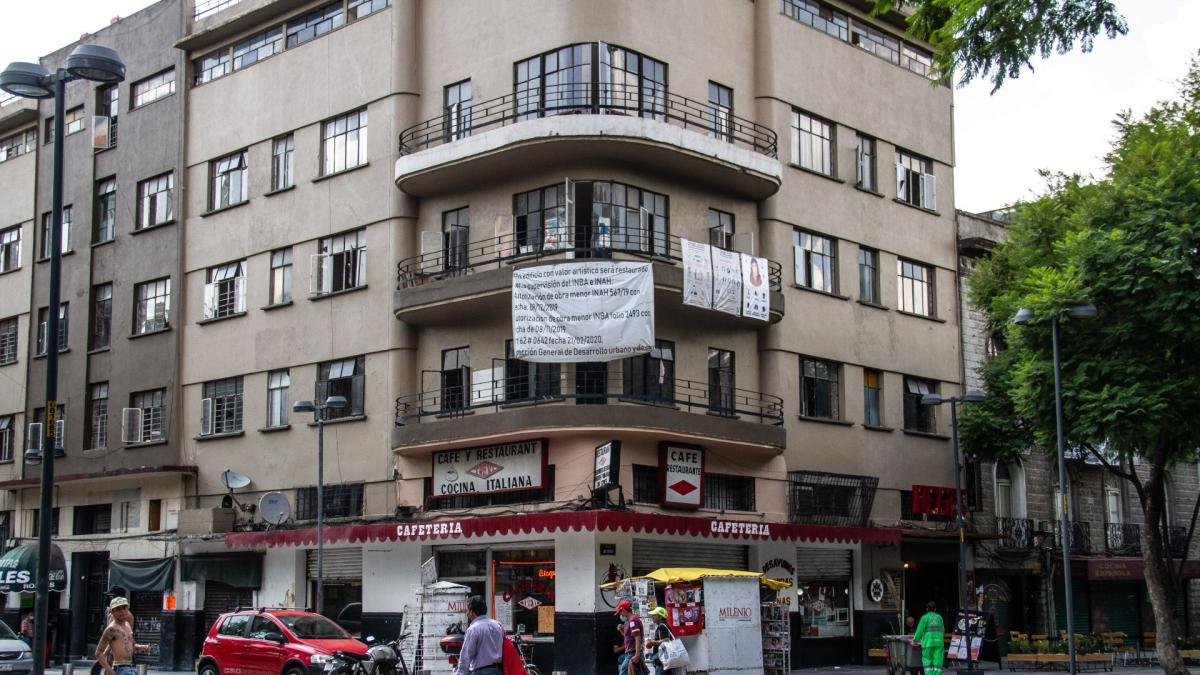
In 138 Mexican neighborhoods, the number of Airbnb listings exceeds the total number of homes recorded by INEGI in its 2020 census. Hardest-hit areas include Mazatlán’s Zona Dorada, downtown Los Cabos, and Mexico City’s Roma Norte neighborhood, which has 2,797 listings.
Playa del Carmen Mayor Estefanía Mercado defended recent restrictions on short-term rentals, saying: “In Playa del Carmen, we believe in tourism and investment, but we also believe in the right of families to live in orderly, safe communities with quality of life. Regulating vacation rentals seeks to balance both interests.”
The economic impact extends beyond rent prices, driving up the cost of living and replacing local businesses with high-end tourist franchises.
How Neighborhoods Resist Gentrification
Patricia Olivera Martínez, a researcher at UNAM’s College of Geography, explained the cycle: “It starts with rising land prices, which increase property taxes, which raises rents. Residents themselves decide to sell or rent. Life in these areas becomes much more expensive, leading to displacement.”
Mexico City has implemented a mandatory registry that limits hosts to three properties and restricts annual occupancy nights. Airbnb attempted to block the regulation through legal appeals.
On March 5, the Supreme Court of Justice of the Nation agreed to review a case that will determine whether Mexico City can limit the number of days properties can be rented and how many properties a host can list. The ruling will set a precedent for states like Jalisco and Oaxaca, which are preparing similar legislation.
More Economy
- Playa del Carmen Taps HR Directors to Boost Local Hiring
- Mexico Hoteliers Warn of 1.1 Million Air Tourist Loss as U.S. Arrivals Slump
- Cancún’s Route 17 Leona Vicario Draws More Than 16,000 Riders on First Free Day
- FIRA Issues Mexico’s First Biodiversity Bond Worth Over 1.6 Billion Pesos
- Aeromexico Eyes New U.S. Routes After Mexico City Limits End