Playa del Carmen, Quintana Roo — Environmental activists and specialists are warning that construction of the Maya Train has caused irreversible damage to the Yucatan Peninsula’s aquifer and cave system, and that structural flaws in the project pose long-term risks.
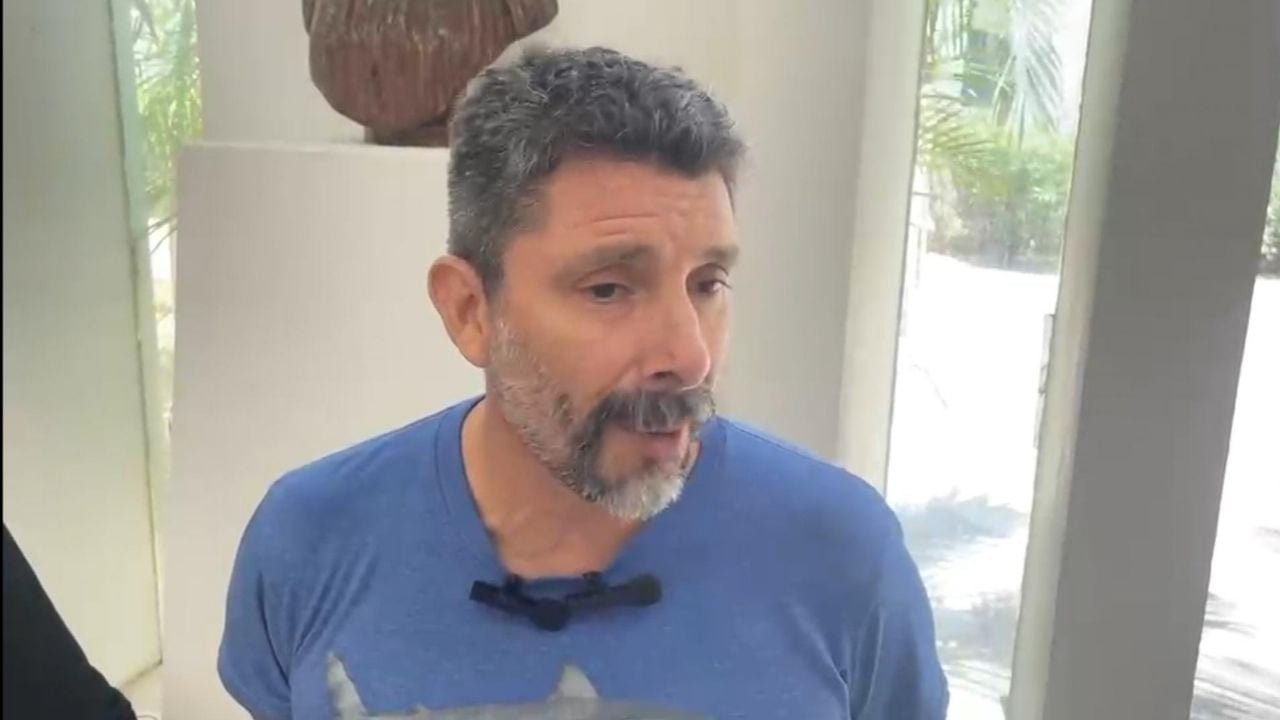
José Urbina Bravo, a cave diver and member of the collectives Cenotes Urbanos and Sélvame del Tren MX, said that during the railway project’s development, warnings from environmental and technical experts about the risks of building heavy infrastructure over the region’s aquifer were ignored.
“The train bowed to the will of a group of hoteliers, a group of investors, and the most cerebral demagoguery as a political platform,” Urbina said in a public statement.
According to Urbina, one of the main problems is that the project was built in a geologically and environmentally vulnerable area without adequate studies or optimal construction conditions. He claimed that more than 10,000 columns support the elevated section of the Maya Train, many of which are inserted directly into the aquifer, including areas difficult to access for inspection and maintenance.
Divers who have managed to enter some areas have found damaged structures and pillars with apparent manufacturing defects, which Urbina attributed to poor-quality materials and improvised modifications during construction.
“These pillars that we see burst did not burst because the engineer who made the calculation failed; they burst because of poor quality, because they made patches,” he said.
Urbina warned that the progressive deterioration of concrete in saltwater could contaminate the aquifer and lead to greater complications over time due to the difficulty of inspecting and maintaining submerged structures. He also questioned the project’s financial viability, saying maintenance costs will continue to rise, and cited figures on daily expenses for both operation and debt repayment.
“Even if it were perfectly well done, it would be an economic and social tragedy. And on top of that tragedy, add that it is poorly done,” he said.
Urbina added that some ecological damage is already irreversible, particularly contamination of groundwater and damage to the jungle. “What they did in the jungle contaminated the water irremediably,” he said, calling for a halt to projects that continue to affect the cave system and ecological balance of the region.
Despite this, he said environmental groups and specialists are currently working with environmental authorities to develop regulations and protection mechanisms for caves, caverns, and the aquifer of Quintana Roo. Among the proposals is the creation of a reserve focused on the comprehensive protection of the aquifer and biodiversity associated with the Maya jungle.
Urbina also noted that pressures from real estate and tourism development continue to threaten the region’s ecosystem, citing hotel, condominium, and coastal projects that prioritize economic returns over environmental conservation.
More Environment
- Judge Halts Trump Border Barrier in Big Bend National Park
- US Coast Guard Seizes Cargo Ship Accused of Smuggling Fuel to Cuba
- Playa del Carmen to Renew Eight Blue Flag Beach Certifications, Eyes Two More
- Cancún Sets October Dates for Free Dog and Cat Sterilization Clinics
- Sargassum Influx Triggers Two Types of Wildlife Die-Offs in Quintana Roo