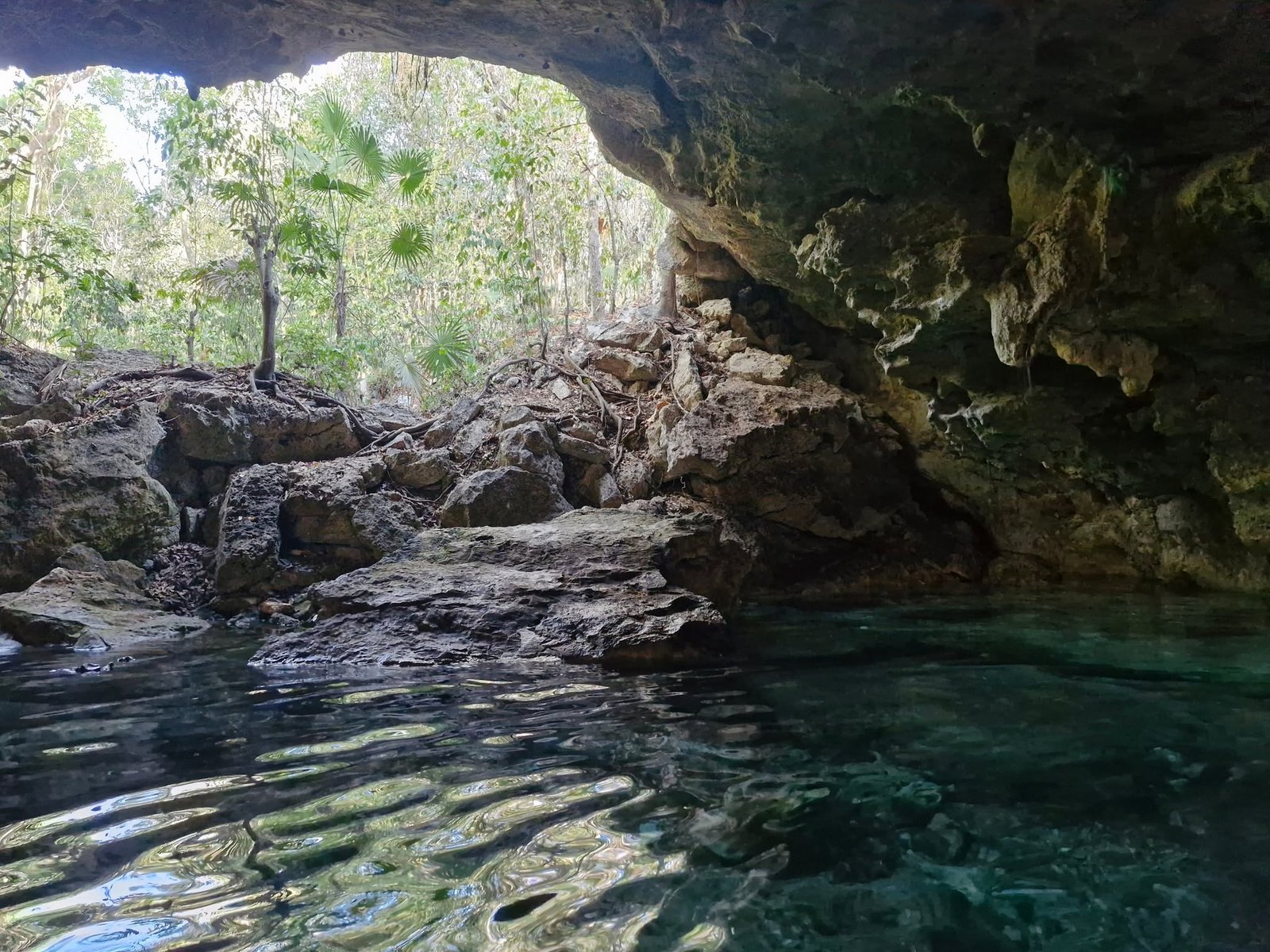
Tulum, Quintana Roo — Water quality in the community cenotes of Chemuyil remains favorable, according to monitoring by members of the Bejhil Ha cooperative. After a decade of work to recover and conserve the sinkholes, the group now has its own equipment to conduct periodic tests.
Previously, testing was done by third parties and the organization simply received the results. For the past few months, they have had their own instruments, allowing them to monitor cenotes both near the community and deeper in the jungle.
“We have our own equipment now, and every so often we go out and run water quality tests,” said Marvin Miguel, a Bejhil Ha guide and community guardian for the state environmental protection agency. “The water in the cenotes is completely clean right now. We have the results from a recent check.”
The tests cover about five different parameters, including alkalinity, using different procedures to determine water condition.
Regarding construction near Chemuyil, Miguel said there is so far no evidence that it has contaminated the aquifer, since the projects have not been finished or occupied. Still, he said it is necessary to understand how underground drainage systems will work and how they connect to the community’s infrastructure, especially because some of the main cenotes are close by.
Another factor putting pressure on the sites is rising visitor numbers. Miguel said social media and other coverage of the cenotes has attracted more people, especially on weekends. Community guardians regularly find litter and signs of alcohol and tobacco use, requiring constant patrols and cleanups.
Visitors also bring in sunscreen and insect repellent, products that conservation volunteers say need to be considered in their protection efforts. With more people coming, the group wants to strengthen measures that preserve the cenotes without necessarily limiting access.
Tests have also been carried out in water bodies deeper in the jungle, where results were likewise good. Miguel attributed the current conditions to nearby protected natural areas, mangroves and vegetation, and the constant movement of groundwater.
Looking ahead, he said the challenge will be to set up prevention mechanisms and raise awareness about the importance of the aquifer. Bejhil Ha members can continue monitoring, cleaning and conserving the cenotes, he said, but they need coordination with authorities to track the possible impact of new developments.
After ten years of community work, protecting the cenotes of Chemuyil remains the project’s priority. The goal, members said, is to detect any change in water quality early and to keep urban growth and heavier visitation from damaging an underground system that is part of the Yucatan Peninsula aquifer.
More Environment
- Quintana Roo’s Beaches Are Disappearing Up to 14 Meters a Year
- Rabies Found in Fox That Scratched Baby in Cancún
- Cozumel’s Reefs Get a 3D Map Divers Can Explore Before Entering the Water
- Documentary Exposes 30 Years of Pollution in Cancún’s Chacmuchuch Lagoon
- Crocodile Surprises Tourists Swimming at Cozumel’s El Cielo Sandbar
More Tulum
- Starbucks Exits Tulum: Why the Hotel Zone Is Losing Its Buzz
- Canada Drives Mexican Caribbean Demand for Final Quarter of 2026
- Tulum Fishing Cooperative Seeks Funds to Expand Facilities and Sustain 70 Families
- Tulum Tour Guides Train to Protect Ecosystems Visited by Tourists
- Airline Seat Cuts Threaten US Connections to Mexico’s Caribbean Coast