
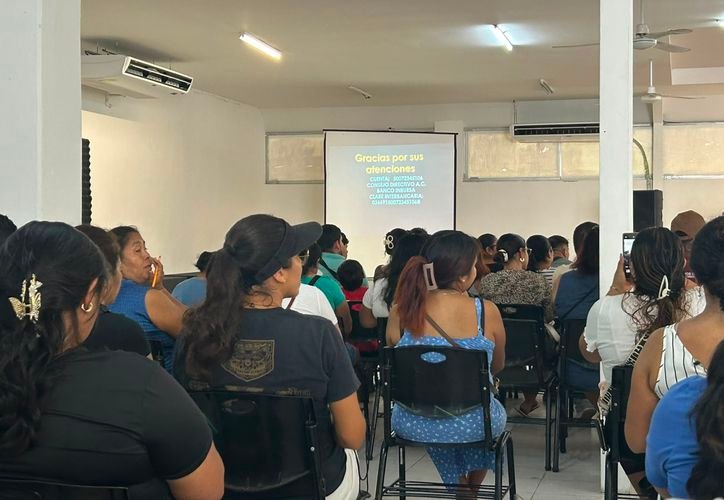
Cancún, Quintana Roo — Officials at CBTIS 111 “Leona Vicario” said voluntary parent contributions remain a key source of funding for school upkeep, but they are not a requirement for enrollment.
Starting Tuesday, the school will begin accepting around 900 new students across its morning and afternoon shifts. School administrators said no student will be turned away for failing to make the payment.
The requested contribution is 2,350 pesos, which covers the voluntary fee, school insurance, and the student ID card. Families are also asked to pay an additional 500 pesos in cash for Saturday extracurricular activities that are part of the students’ overall education.
How the money is used
Administrators said the funds go mainly toward basic services such as electricity and drinking water, as well as maintenance and infrastructure improvements.
Uniforms add to families’ costs
On top of the enrollment fees, families must buy school uniforms. Prices are set at 300 pesos for the shirt, 350 pesos for pants, and 500 pesos for the sports uniform. Combined with enrollment fees, extracurricular activities, and clothing, the total cost per student can exceed 4,000 pesos.
School authorities reiterated that despite the importance of the voluntary fees for upkeep, they are not mandatory, and all students will be guaranteed a place at CBTIS 111 for the upcoming school year.
More Government
- Puerto Aventuras Migrant Shelter Issues Urgent Call for Food and Basic Supplies
- Texas’ Big Bend Becomes Border Wall Battleground
- Mexico Seizes 27 Tons of Chinese Tartaric Acid at Michoacán Customs
- Mexico to Restrict Cellphones Throughout the School Day Beginning in October
- Mexico Opens First IMSS-Bienestar Hospital Blending Traditional Midwives With Clinical Medicine
More Cancun
- Quintana Roo Expands Free High-Speed Internet to New Tourist Destinations
- Cancún Airport Workers Question What Happens to Lost Items
- Cancún Officials Resume Talks With Mototaxi Leaders After Days of Tension
- Hyatt Zilara Cancún Targets 70% Winter Occupancy After $75 Million Renovation
- Cancún Sargassum Arrivals Ease in September, but Officials Watch the Winds
