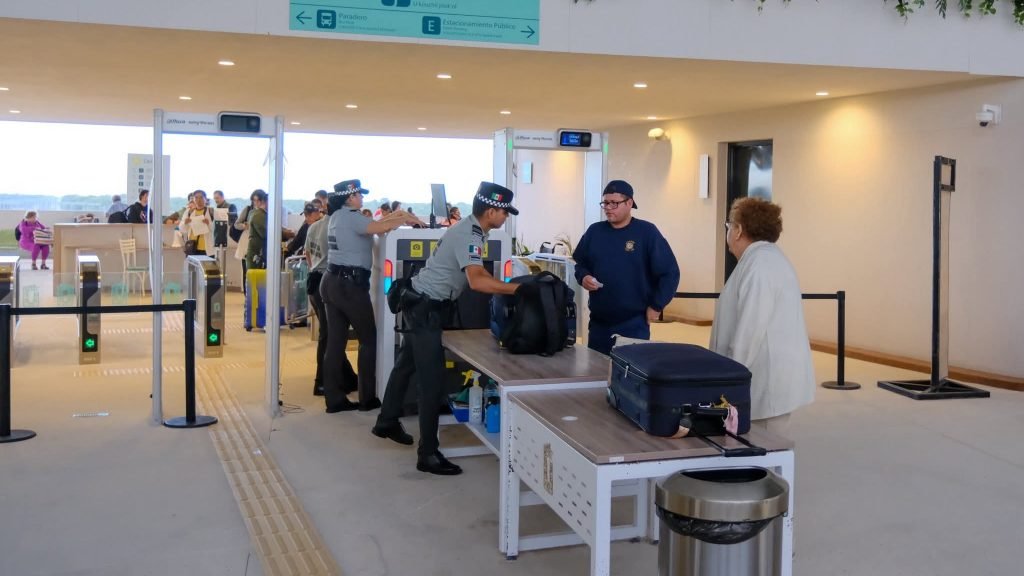
Chetumal, Quintana Roo — The Tren Maya project needs integrated services to spark economic development in communities near its stations, or else sections with low passenger traffic may see delayed benefits compared to the Cancun-Tulum stretch, according to a researcher from the Autonomous University of Quintana Roo (UQROO).
Isael Fierros Gonzalez, a professor and researcher at UQROO, said that while the Tren Maya is an ambitious, long-term project, authorities must implement a comprehensive strategy that not only encourages visitors to stay longer but also allows artisans and local businesses to sell their products and generate income in nearby communities.
Fierros emphasized the importance of involving business owners, tourism service providers, authorities, and local residents to create tourist products and routes that extend visitors’ stays and become a regional economic driver.
He cited Chetumal as an example, where development projects with potential remain stalled due to a lack of investment and follow-up to turn them into attractions that generate revenue. The Mercado del Bienestar in Nicolas Bravo, he noted, could become a point of interest for travelers but remains non-operational.
In Felipe Carrillo Puerto, artisans produce a wide variety of goods but face limitations in training, marketing, and market access to boost sales, Fierros added.
“On the Tulum-Cancun route, greater benefits are observed due to the constant flow of tourists, which generates significant economic spillover, unlike other sections, particularly between Tulum and Bacalar, where visitor arrivals are lower and stays tend to be shorter,” he explained.
The researcher called on authorities to conduct an assessment to boost the economy along the Tren Maya sections between Tulum and Chetumal.
More Economy
- Mexico Assigns $110 Million Navy Budget to Fight Sargassum in Quintana Roo
- Mexico’s Treasury Seeks Power to Ban Cash Payments Sector by Sector
- Business Leaders Urge Playa del Carmen to Diversify Economy as Tourism Slumps
- Playa del Carmen Inaugurates Plaza Punto Sur Under Public-Private Alliance
- Tren Maya Spends Eight Times More Than It Earns, Lawmaker Says
More Chetumal
- Quintana Roo Electoral Body Orders Councilwoman To Pull Videos Criticizing Mayor
- Chetumal’s Barrio Mágico Project to Temporarily Relocate 50 Street Vendors
- Tren Maya Archaeological Finds Won’t Be Displayed in Chetumal, INAH Says
- Southern Quintana Roo Lacks Banks and Internet to Ditch Cash, Accountants Warn
- Southern Quintana Roo Hotels Confirm Drop in Booking Demand