Cancún, Quintana Roo. A Cancún animal-rescue organization plans to turn one of the Mexican Caribbean’s largest environmental problems into part of the solution to another: the shortage of safe places for abandoned dogs.
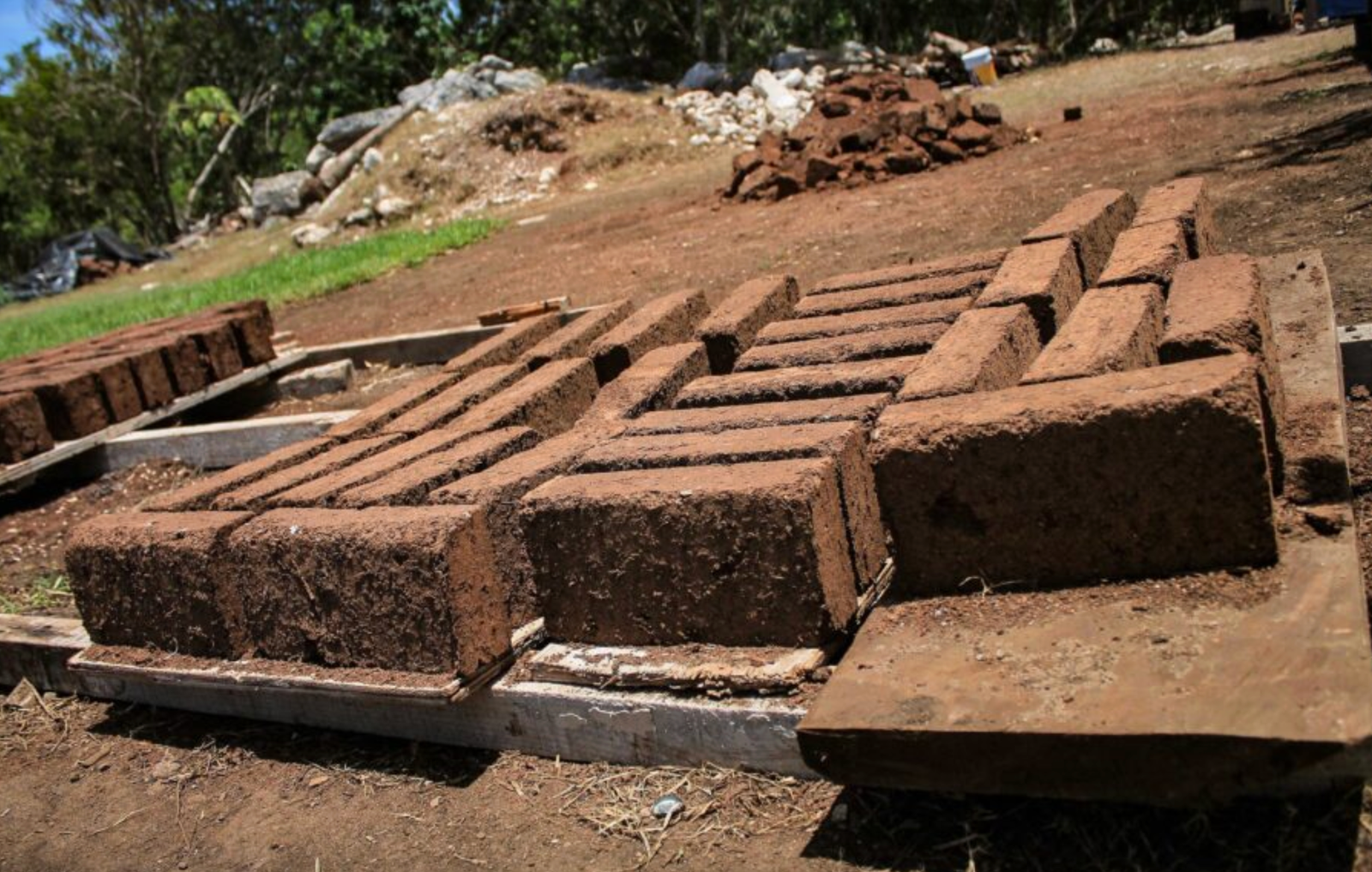
Dejando Huella por Cancún A.C. is preparing to build a permanent animal shelter using construction blocks made partly from sargassum. The organization has secured land for the project and reached an agreement with a company that produces building materials from the seaweed, according to Rogelio Robles Camacho, the association’s vice president.
The group has also started a “donate a block” campaign, inviting residents and local businesses to help cover the construction materials. A building schedule, projected cost and location of the property have not been publicly announced.
If completed as planned, organizers say it would be Cancún’s first animal shelter built with sargassum-based blocks.
The material commonly known as Sargablock was developed by Quintana Roo entrepreneur Omar Vázquez Sánchez. Despite its name, the blocks are not made entirely from seaweed. Published descriptions of the product say each block contains approximately 40 percent processed sargassum mixed with other organic material.
Vázquez first used the blocks to construct Casa Angelita in Puerto Morelos, a demonstration home named after his mother. The project later received recognition through an international circular-design awards program. Its purpose is to give collected sargassum a second use instead of sending it directly to landfills or dumping sites.
For Cancún’s rescue community, however, the immediate concern is having enough room for animals awaiting adoption.
Dejando Huella previously rented a house where it kept about 20 dogs. Robles said concentrating that many animals in one residential property led to overcrowding and complaints from neighbors. The association now relies primarily on temporary foster homes while it works toward opening a dedicated facility.
The group says it has placed more than 2,000 rescued dogs with adoptive families. It has also worked with Petco stores for approximately five years, using adoption events at shopping centers to introduce rescued animals to prospective owners. Participating families receive a year of discounts from the retailer, according to the association.
The group’s work extends beyond rescue and adoption. It organizes sterilization campaigns intended to reduce the number of unwanted litters, particularly among dogs and cats already living on the street.
“Sterilization is the most important preventive action that can be taken so they do not continue reproducing,” Robles said. “But homes must also be found for them.”
Local animal advocates frequently estimate that Cancún has between 150,000 and 200,000 free-roaming or homeless dogs. The number should be treated as an estimate rather than an official census. Counting street animals is difficult because dogs move between neighborhoods, some have owners who allow them to roam, and new animals are continually abandoned or born outdoors.
The proposed shelter was publicized around International Street Dog Day, observed annually on July 27. The campaign originated in Chile in 2008 and has since been adopted by animal-welfare groups in several Latin American countries. It promotes sterilization, responsible ownership and adoption rather than purchasing animals.
The sargassum component gives the project a second environmental dimension. Massive quantities of the brown seaweed wash ashore in Quintana Roo each year, forcing governments, hotels and beachfront businesses to spend heavily on collection and disposal. Once accumulated on land, decomposing sargassum releases unpleasant and potentially harmful gases and can contaminate nearby water.
Finding safe commercial uses for the collected biomass has become a major research and business focus. Proposed products include construction materials, biogas, fertilizer, paper, packaging and bioplastics.
However, scientists caution that Caribbean sargassum can contain salt, arsenic and other metals in concentrations that vary by location and season. A scientific review of possible commercial uses found considerable potential for repurposing the biomass but stressed the need for appropriate processing and product testing.
That does not mean sargassum building materials are inherently unsafe. It means manufacturers must demonstrate that their treatment methods and finished products meet the standards required for their intended use. Details about testing, permits and technical specifications for the proposed Cancún shelter have not yet been released.
Dejando Huella describes itself as a nonprofit organization dedicated to rescuing dogs and cats, arranging adoptions and promoting responsible animal care. Information about its current programs is available through the organization’s official website and social media pages.
Until the new facility is built, the organization will continue depending on foster families to house rescued animals. The planned shelter would give it a permanent base for recovery and adoption work while putting some of Quintana Roo’s collected sargassum to practical use.
More Environment
- Mexican Caribbean Has Lost More Than 70% of Its Corals, UNAM Scientist Warns
- Sargassum Barrier Installation Begins in Puerto Aventuras
- Cancún to Open Glass Collection Center as Part of Circular Economy Push
- Cave Divers Push to Revive Jacinto Pat Museum in Tulum to Showcase Caves and Underground Rivers
- Snakes Account for Nearly Half of Cancún’s Wildlife Reports, Firefighters Say
More Cancun
- Cancún Airport Tops 400 Daily Flights for First Time Since August
- Call to Scrap Visitax Puts Quintana Roo’s Tourist Fee Under Scrutiny
- Viral Video Exposes Inflated Taxi Fares at Cancún Airport
- Cancún Opens Internal Probe Into Traffic Officers Over Alleged Misconduct
- Cancún Weighs Legal Action Against Owners of Abandoned Properties as Census Finds 20 Downtown