
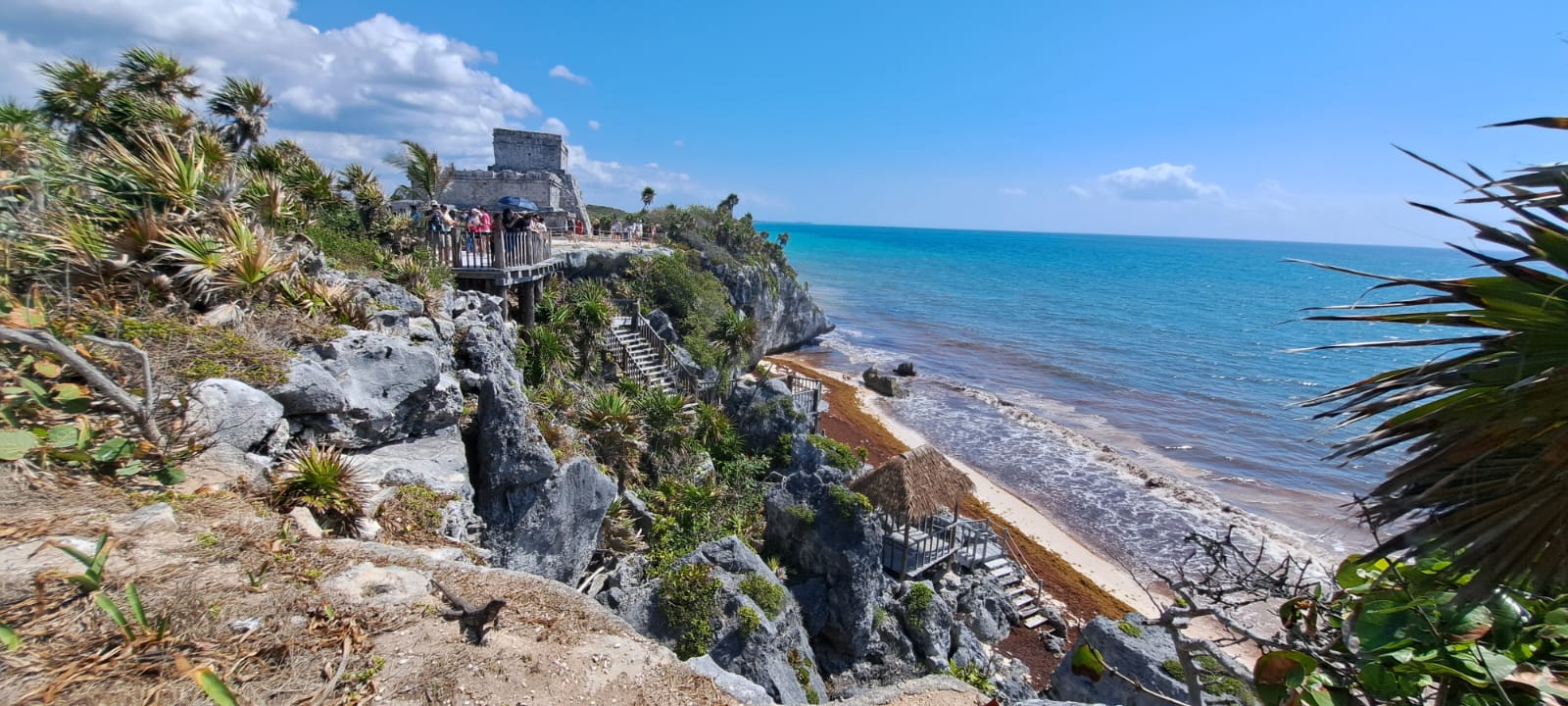
TULUM, Mexico — A recent increase in the entry cost for foreign tourists to the country's archaeological zones has raised alarm among tourist guides in Tulum, who anticipate a reduction in the arrival of international visitors starting in 2026. The reform approved by the Chamber of Deputies, promoted by the federal government, will double the entry price for non-residents at emblematic sites such as Tulum, Cobá, San Gervasio, and Kohunlich, raising the fee from 100 to 210 pesos.
This is compounded by an increase in the Non-Resident Fee (DNR), which will rise from 861 to 983 pesos, further increasing the cost of the tourist experience. Meanwhile, Yucatán was the only state to receive an exception, applying differentiated rates at Chichén Itzá and Uxmal, a decision that has caused discontent among service providers in the Mexican Caribbean, who believe the federal measure did not take the region's economic particularities into account.
"In over two decades of work, I have never seen anything like this," commented Ales Medina, a guide with 20 years of experience at the Tulum archaeological zone. "Doubling the cost is absurd. Many foreign tourists, especially those on a low budget, will stop coming. That will directly affect those of us who make a living from this."
Other workers in the sector agree that the impact will be immediate on combined tours that include several archaeological sites. "Packages will become more expensive and less attractive. Tourists look for affordable options, not fees that increase without justification," said Mariela Cahuich, a bilingual guide who works with local agencies.
The dissatisfaction also extends to transporters and tour operators, who warn of a loss of competitiveness compared to other Caribbean destinations. "In places like the Dominican Republic or Costa Rica, prices remain stable. Here, everything goes up without consulting anyone. The result will be fewer visitors and less income for everyone," stated Raúl May, a member of a tourism cooperative.
The discontent is widespread. In a municipality where tourism is the main economic engine, guides consider the measure a direct blow to the livelihood of hundreds of families. Although the federal government assures that the additional resources will be allocated to the maintenance of archaeological zones and the Tren Maya, the tourism sector fears that, once again, the benefits will not be reflected in Tulum, while the cost is borne by the visitors… and the community that depends on them.
More Riviera Maya
- Quintana Roo Expands Free High-Speed Internet to New Tourist Destinations
- Tulum Yoga Music Fest Plans Week of Classes, Music and Wellness Events
- Quintana Roo Marks 216th Anniversary of Mexico’s Independence With Statewide Celebrations
- Quintana Roo Expands Beach Restoration Project to Cancún, Puerto Morelos, Playa del Carmen and Cozumel
- Cancún Pushes Medical Tourism as Sector Grows and Expo Returns in December
More Tulum
- Tulum Faces Budget Deficit as Tourism Slump Slashes Revenue
- Drought Stalls Corn Planting in Tulum’s Maya Communities
- Mexico Moves to Curb Misleading Hotel Ads Claiming Private Beaches
- Tulum Tour Guides Pin Recovery Hopes on Cruise Ships and Year-End Holidays
- Man Shot Dead in Tulum Irregular Settlement as Neighbors Cite Land Threats
