
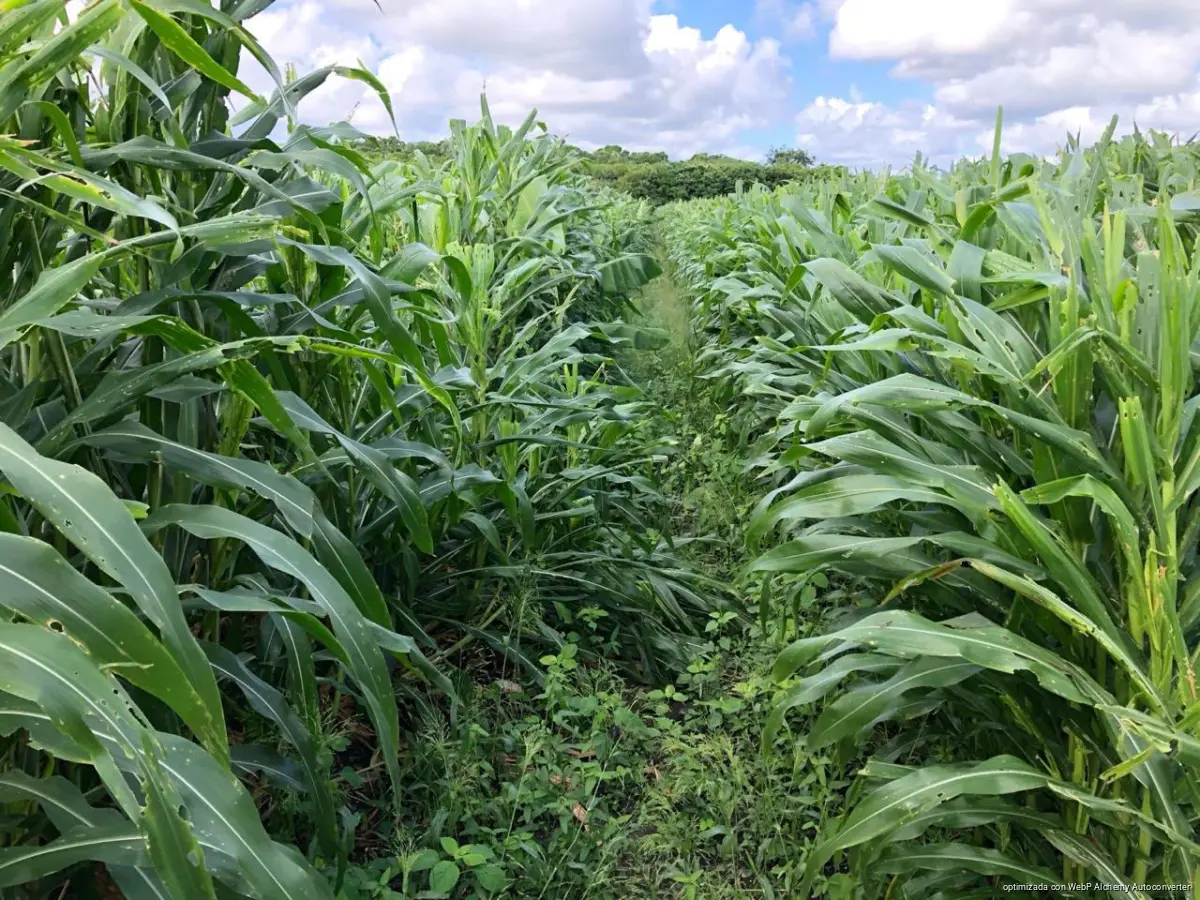
Tulum, Quintana Roo — A year of scarce rainfall has delayed farming across Tulum’s Maya communities, halting most planting of corn, squash and banana, a local Maya leader said.
Nicasio Canché Catzín, a Maya dignitary in the municipality, said only about 50 of the region’s 119 dignitaries are still tending their crops. The shortage has hit “maíz grande,” or large corn, hardest, he said, while some small-corn varieties have already begun to tassel.
The availability of water determines whether the milpas — traditional family plots — can advance through each stage of the growing cycle, Canché Catzín said.
Milpas Keep a Community Tradition Alive
Beyond food production, he said, maintaining the milpas is a practice tied to the Maya people’s roots and traditional knowledge. Despite this year’s difficulties, some families are still working their plots while they wait for better conditions.
With rain still absent, the communities continue to hold ceremonies such as Ch’a Cháak, a traditional Maya ritual performed to call for rain. The practice is still carried out in Tulum and at other ceremonial sites in the region as part of the customs tied to the agricultural cycle.
Growers hope rainfall will return to normal in October so they can resume planting their crops. Canché Catzín said keeping agriculture going matters both for what the communities produce and for preserving a tradition passed down through generations.
More Environment
- Mayan Seeds in Quintana Roo Studied for Nutrition and Diabetes Potential
- Chichén Itzá Launches Special Operation for Autumn Equinox Visitors
- Texas’ Big Bend Becomes Border Wall Battleground
- Contemporary Maya Sculpture Installed in Sacalaca Cenote to Draw Community Tourism
- Mexico to Review Private Events Held Inside Tulum National Park
More Tulum
- Mexico Moves to Curb Misleading Hotel Ads Claiming Private Beaches
- Tulum Tour Guides Pin Recovery Hopes on Cruise Ships and Year-End Holidays
- Man Shot Dead in Tulum Irregular Settlement as Neighbors Cite Land Threats
- Illegal Fishing Undercuts Lobster Prices for Tulum Cooperatives
- Quintana Roo Governor Invites Tulum Jaguar Park Vendors to Register for Certification