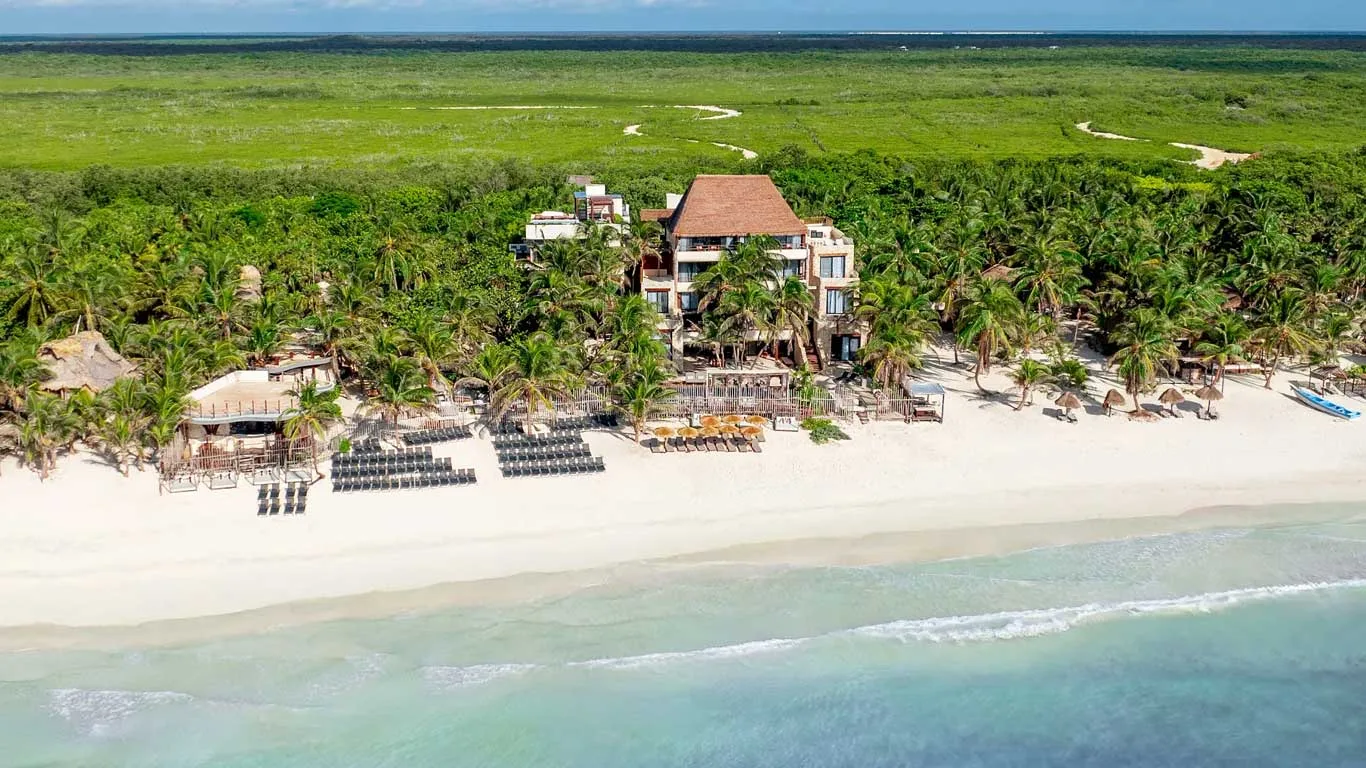
Cancún, Quintana Roo — Mexican lawmakers are moving to crack down on hotels that advertise “private” or “exclusive” beaches, a practice officials say is widespread in resort destinations even though no such thing exists under Mexican law.
A proposal introduced in the Chamber of Deputies would reform Article 24 of the Federal Consumer Protection Law. Its author, Congresswoman Beatriz Navarro, cited Tulum, Punta Mita in Nayarit, Los Cabos and beaches in Jalisco as places where the practice has become routine.
Under the plan, the Federal Consumer Protection Agency (Profeco) would permanently monitor websites, booking platforms and social media to detect and order the immediate removal of advertisements using terms such as “private beach,” “exclusive beach” or “private access to the sea.” The agency would also be empowered to open investigations and issue sanctions on its own initiative, without waiting for a complaint.
“Residents, fishing families and environmental activists have spent years reporting the fencing off of historic beaches and the installation of barriers and obstacles, while those same developments advertise themselves online as private beach spaces. It is the same pattern repeated in Tulum and in Los Cabos, where our own president, Claudia Sheinbaum, was clear in saying that beaches belong to the people,” the bill’s explanatory statement said.
In Quintana Roo, the dispute has been building for years. The most emblematic case involves Akumal Bay, where in 2013 the Centro Ecológico Akumal and neighboring hotels blocked a road that had served for decades as public access, arguing it lay inside a private property. The move led to confrontations, legal injunctions and eventually intervention by the Tulum town council, which ordered the route reopened.
Similar conflicts have emerged along the Cancún-Tulum corridor, in areas such as Tankah and Chemuyil, where beach access is conditioned on purchases at beach clubs and hotels, even though the law requires public access points and unobstructed views of the sea.
The initiative notes that Article 27 of the Constitution is explicit: beaches and the federal maritime-terrestrial zone are national assets, and private beaches do not legally exist in Mexico. Even so, operators continue to charge as much as 40 percent more for a supposed exclusivity that does not exist, the bill states.
The proposal comes as Quintana Roo’s visitor profile shifts. So far in 2026, Generation X — travelers between 40 and 59 years old — has become the largest age group among visitors to destinations in the state, according to tourism data.
More Business
- Quintana Roo Delivers Equipment to 77 Small Businesses Under Transforma Tu Negocio Program
- Cancún Bets on Health Tourism With New Forum
- Quintana Roo Expects 25% Surge in Cancún Flights Starting October
- Tourist Boat Traffic Plunges 30% in Quintana Roo Ports
- Tulum Faces Budget Deficit as Tourism Slump Slashes Revenue
More Tulum
- Drought Stalls Corn Planting in Tulum’s Maya Communities
- Tulum Tour Guides Pin Recovery Hopes on Cruise Ships and Year-End Holidays
- Man Shot Dead in Tulum Irregular Settlement as Neighbors Cite Land Threats
- Mexico to Review Private Events Held Inside Tulum National Park
- Illegal Fishing Undercuts Lobster Prices for Tulum Cooperatives