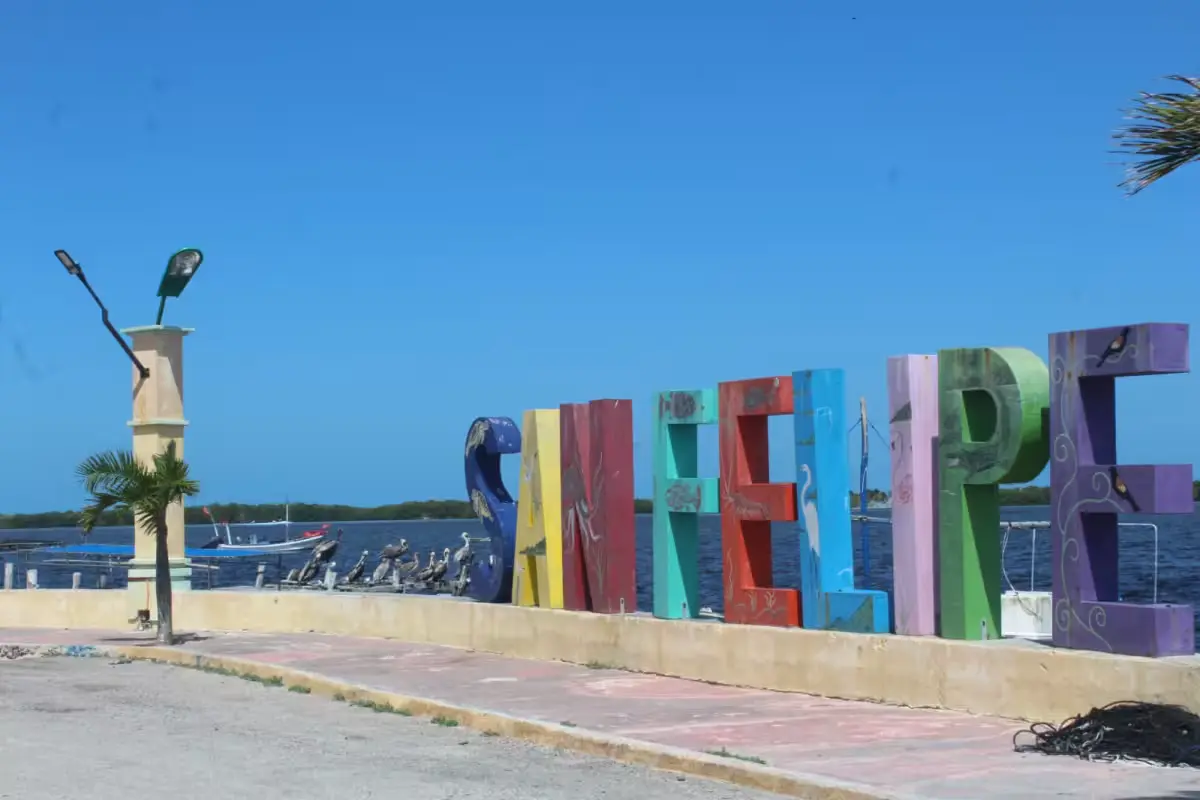
San Felipe, Yucatan — The coastal fishing town of San Felipe will celebrate the 91st anniversary of its establishment as a free municipality on July 12, marking a milestone for a community that is increasingly turning to sustainable tourism as a driver of economic growth.
San Felipe has long been one of Yucatan’s main fishing ports. In recent years, it has expanded its tourism infrastructure with hotels, restaurants, cabins, and rental homes, offering visitors turquoise beaches, renowned local cuisine, and natural and historical attractions such as Isla Cerritos and the nearby Ria Lagartos and Dzilam biosphere reserves.
Local authorities noted that on July 12, 1935, a decree granted San Felipe the status of a free municipality, making it one of 106 municipalities in the state of Yucatan.
As part of the festivities, the municipal government will hold a commemorative ceremony on July 12 at 7:00 p.m. in the town square. The event will also mark the closing of workshops at the Edilberto Mena Cultural Center and the presentation of Dianela Acevedo Marrufo as the queen of the August festivities.
The history of San Felipe dates back to the ancient beach of Aktaam Chuleb. According to oral tradition, a group of fishermen discovered the site after hearing the song of a bird known as the chuleb. Following the sound, they found a freshwater spring in front of the sea, which still exists as a well in the town’s main park.
The spring allowed a fishing camp to establish itself, which over time became a permanent settlement inhabited by families from Dzidzantun, Rio Lagartos, Dzilam, and Telchac.
Another legend about the town’s origin says its name comes from a Spanish adventurer named Felipe, who, after escaping a dispute over a supposed Mayan treasure, arrived at the coast of Aktaam Chuleb, where he buried his riches before dying. Over time, the place adopted its current name in honor of San Felipe de Jesus.
Historically, on February 5, 1853, the community separated from Panaba to join the district of Tizimin, and finally, on July 12, 1935, it officially obtained the status of a free municipality, consolidating its identity and administrative autonomy.
Today, nearly 91 years later, the municipality keeps its fishing roots alive while projecting a future as a tourist destination committed to preserving its natural and cultural wealth.
More Events
- Playa del Carmen Mayor Lights Municipal Palace Pink to Promote Breast Cancer Prevention
- Isla Mujeres Day of the Dead 2026: Pandora, Catrinas & More
- Quintana Roo Sends Para-Dance and Para-Athletics Teams to National Paralympiad
- Cozumel to Host 18th Island Bird Festival Oct. 7-11
- Cozumel’s Day of the Dead Festival Returns With Michoacán as Guest of Honor