Mexico City — Mexico’s Federal Commission for the Protection against Sanitary Risks (Cofepris) has clarified that Supreme Court rulings on cannabis do not legalize marijuana but only allow recreational self-consumption under specific permits.
The agency explained that permits obtained through amparo injunctions are intended to guarantee the free development of personality for authorized individuals. They do not authorize the sale, distribution, or commercialization of cannabis, which remain crimes under Mexican law.
What recreational self-consumption means
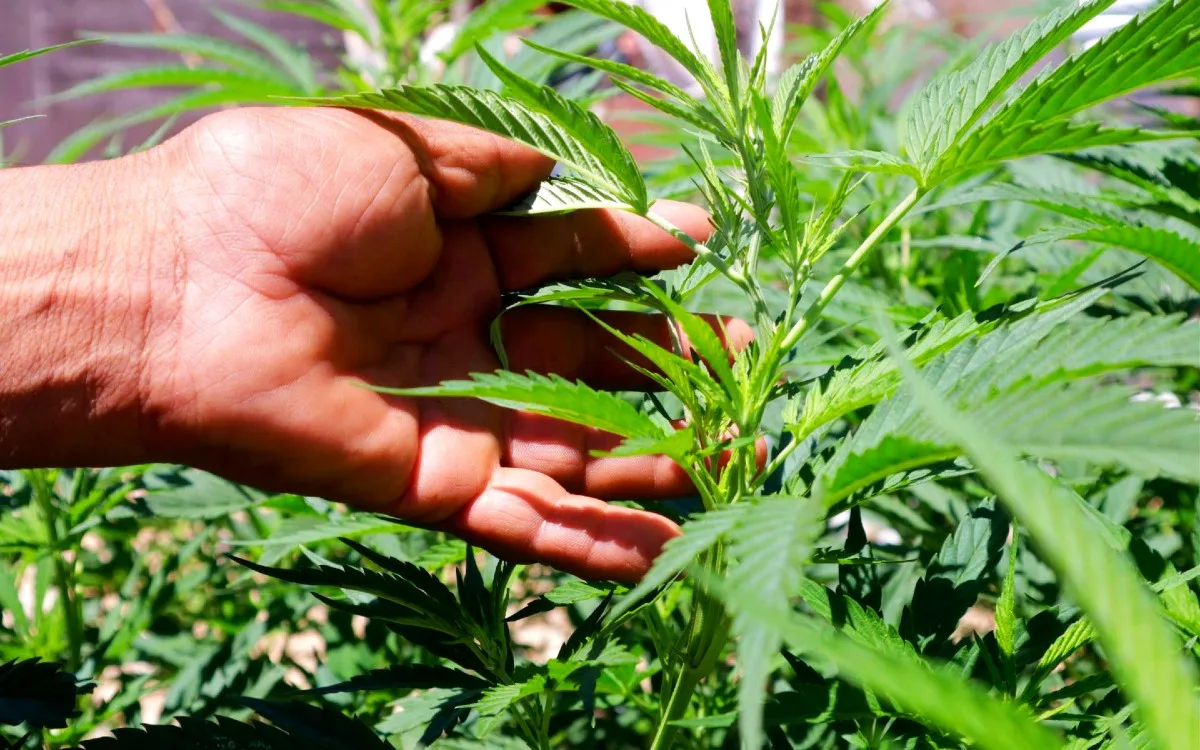
Cofepris stated that the General Declaration of Unconstitutionality 1/2018 allows permit holders to plant, cultivate, harvest, prepare, possess, and transport cannabis exclusively for their own recreational use, subject to conditions set by health authorities.
The permits are individual and benefit only the named holder. They do not represent a general change in Mexico’s drug laws.
How much marijuana can you carry?
Mexican law maintains a limit of up to five grams of cannabis for personal consumption. Exceeding that amount does not automatically constitute a crime but may trigger investigations if there are indications of trafficking or distribution, especially without a Cofepris authorization.
Experts recommend distinguishing between possession for personal use allowed by law and special permits from court rulings, as the two scenarios have different scopes.
Cannabis sales remain illegal
Cofepris emphasized that the Supreme Court never recognized a right to sell marijuana. The rulings addressed only recreational self-consumption and did not modify provisions on commercialization.
Selling, distributing, supplying, or commercializing cannabis for recreational purposes remains prohibited. These activities are regulated by the Federal Penal Code and the General Health Law, with penalties ranging from 10 to 25 years in prison for drug trafficking or illicit drug trade.
Recent Supreme Court ruling
Cofepris also explained that the Supreme Court’s Communication 097/2026, related to the Appeal of Nonconformity in Amparo 6/2025, did not revisit whether marijuana should be legalized. Instead, it analyzed how the health authority was complying with amparo rulings by issuing self-consumption permits.
The Court determined that joint authorizations issued by Cofepris are valid as long as each person is expressly listed as the permit holder and receives a certified copy guaranteeing the effective exercise of the rights recognized in the amparo.
What this means for consumers
Cofepris reiterated that it will continue granting permits when ordered by court rulings, under criteria of legality, transparency, and respect for human rights.
However, the legal landscape remains largely unchanged for the general population. Mexico has no legal market for buying or selling cannabis for recreational use, medical use remains subject to specific regulation, and self-consumption permits remain individual and derived from court rulings.
The Supreme Court’s decisions do not mean a general legalization of marijuana, but only the recognition of the right to self-consumption for those who obtain the corresponding authorization from health authorities.
More Lifestyle
- Five Finalists Chosen for Xmatkuil Fair Ambassador Contest
- Yucatecan Filmmaker Wins Ariel Award for Cliff Divers Film
- Same-Sex Marriages Nearly Triple in Yucatán as 2025 Sets an Eight-Year Record
- Yucatán Monitors Low-Pressure System in Gulf of Mexico for Possible Cyclone
- Playa Food Week Joins a Busy October for Playa del Carmen Restaurants