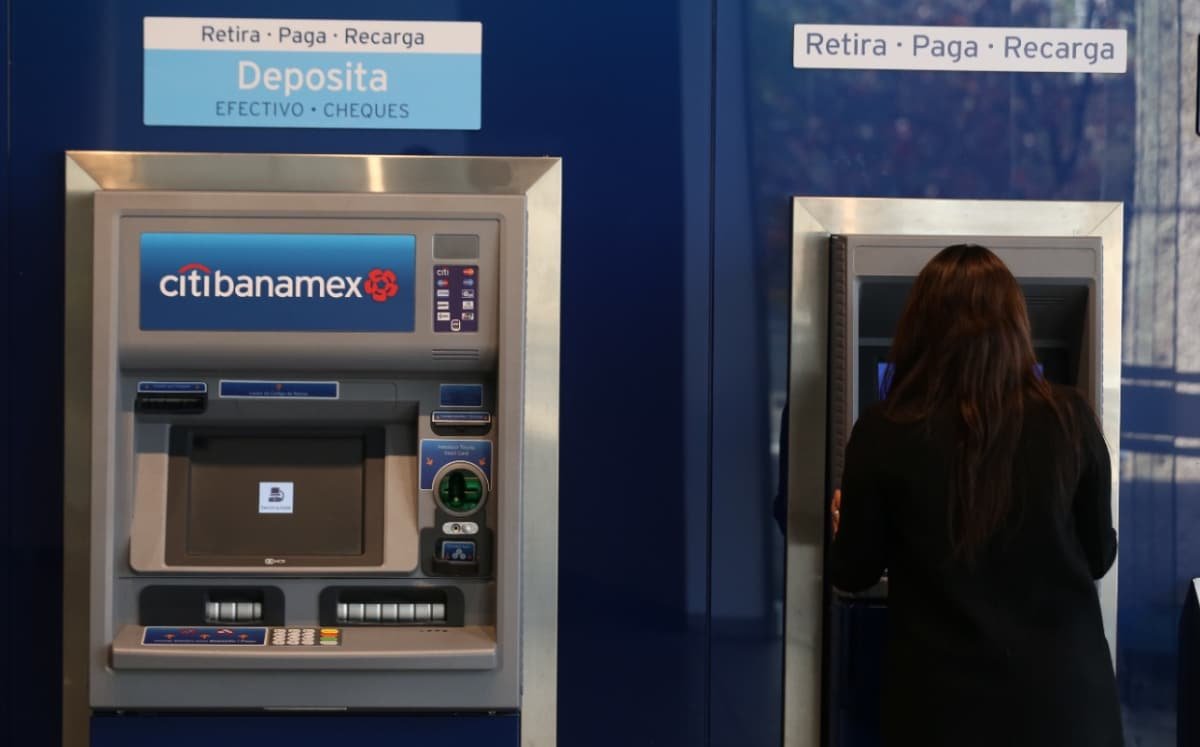
Mexico City — Mexican banks will soon require customers to provide fingerprint and facial recognition data for certain high-value transactions, as part of a broader effort to combat fraud, identity theft, and money laundering.
The new regulation, which takes effect July 1, 2026, applies to cash deposits and withdrawals exceeding 140,000 pesos (approximately $7,500 USD). Banks may also request biometric verification for other transactions where they deem additional authentication necessary.
Under the rules, biometric information must be cross-referenced with official government databases, including those of the National Electoral Institute (INE), the Ministry of Foreign Affairs (SRE), the Tax Administration Service (SAT), and other federal agencies that offer biometric verification services.
Financial analyst Carlos Valderrama said the tighter controls are a response to rising financial crimes such as identity theft and money laundering. The measures also align with stricter U.S. anti-crime policies that have pushed Mexican financial institutions to adopt higher prevention standards.
The Mexican Banking Association (ABM) had previously announced plans to strengthen technological security mechanisms to protect customers and reduce fraud risks.
One driver behind the inclusion of facial recognition is that fingerprints can be difficult to read on some individuals, particularly elderly people or manual laborers whose skin is worn. In one case, a BBVA Mexico customer struggled to replace her debit card because the system could not read her worn fingerprints, and she lacked a valid passport or credit card for alternative verification.
Not all customers will need to immediately register their biometrics. The new procedures will apply primarily when conducting high-value transactions, opening new accounts, updating files, or when the bank deems it necessary to re-verify a customer’s identity.
The regulation distinguishes between account levels: Level 3 (N3) accounts have a deposit limit of 10,000 UDIS, while Level 4 (N4) accounts have no maximum deposit limit and will be subject to stricter identification controls.
For most users, the main change will be an additional identity check for certain transactions, aimed at ensuring that only the account holder can access their funds.
More Business
- Mexico’s Auto Exports Slump 12% as US Tariffs Take Toll
- Cancún Residents Demand Governor’s Intervention Over Alleged Land Fraudster
- Mexico’s Inflation Accelerates for a Second Straight Month to 3.45%
- Tren Maya Freight Project Targets 4.7 Million Tons by 2030
- Cancún Taco Festival Aims to Revive Local Economy in Low Season