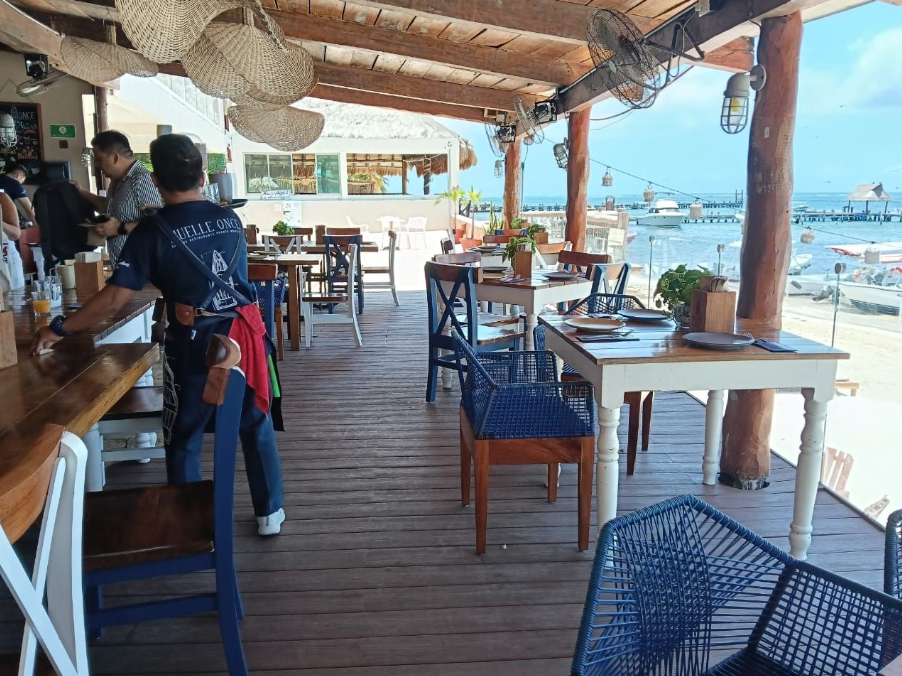
Cancún, Quintana Roo — The restaurant sector in Cancún, Puerto Morelos and Isla Mujeres is losing more businesses than it gains this year, the head of the local restaurant chamber said, citing the economic crisis that has persisted through 2026.
Perla Flores Navarro, president of the National Chamber of the Restaurant and Seasoned Food Industry (Canirac) for those three municipalities, said most of the closures are permanent.
“In our trade, we rarely close temporarily. Most of the time we close permanently, and that is also a blow to the restaurant. Even closing a restaurant can cost more than 30,000 pesos, because you have to dismantle it and leave the place ready,” she said.
The closures already outnumber new restaurant openings in the destination, she noted, threatening the sector’s economic stability, especially due to a lack of liquidity and rising costs for supplies.
Flores Navarro said the collapse is hitting local employment hard. A small restaurant with seating for 50 customers supports at least 15 employees, including waitstaff, kitchen and dining-room workers and administrative staff. “Every time a restaurant closes its doors, dozens of local families that depend entirely on the gastronomy sector are left without support,” she said.
The chamber estimates that at least 20 restaurants have closed so far this year, while only 10 to 12 new ones have opened, leaving a negative balance for the region. The closures affect everything from small downtown eateries and fast-food outlets to luxury restaurants in the hotel zone.
Even though ingredient prices have risen, Flores Navarro said restaurants cannot raise menu prices because foot traffic is already low. “An increase would hurt us more than help us,” she said, adding that the industry must adjust and look for strategies.
To slow the decline, the guild is negotiating tax incentives with state and municipal governments. It has asked that next year’s revenue package not include tax increases, since surviving businesses would not be able to absorb them.
More Economy
- Mexico’s New Digital Law: What Happens to Cash?
- Cancún–Isla Mujeres Boat Cooperatives Sink Under Heavy Losses as Only 20 of 130 Vessels Stay Active
- Quintana Roo Grants Tax Breaks to Mototaxi Operators
- Día de Muertos Ofrendas in Cancún Can Cost Up to 1,500 Pesos
- Quintana Roo Exports Plunge 75.1% in Second Quarter, Ranking Last Nationally
More Cancun
- Activists File Complaints Over Heavy Machinery on Cancún’s Playa Delfines Dune
- Same-Sex Couples in Cancún Face Hurdles Certifying Concubinage
- Vacation Rental Host Confronts Visitax Charge at Cancún Airport
- Graffiti Artists Erase Cancún’s ‘Wall of Corrupt Politicians’ as Activists Prepared to Restore It
- Cancún Named World’s Most Active City in World Wellness Weekend 2026