Cancún, Quintana Roo — The Autonomous University of Quintana Roo (UQRoo) is developing an artificial intelligence platform aimed at preventing the commercial sexual exploitation of children and adolescents, a persistent problem in tourist-heavy areas such as Cancún and the Riviera Maya.
The initiative is a collaboration with ECPAT Mexico, a global network dedicated to ending child exploitation, and is funded under the 2026 Applied Research Promotion and Support program run by the Quintana Roo Council for Humanities, Sciences and Technologies (COQHCYT).
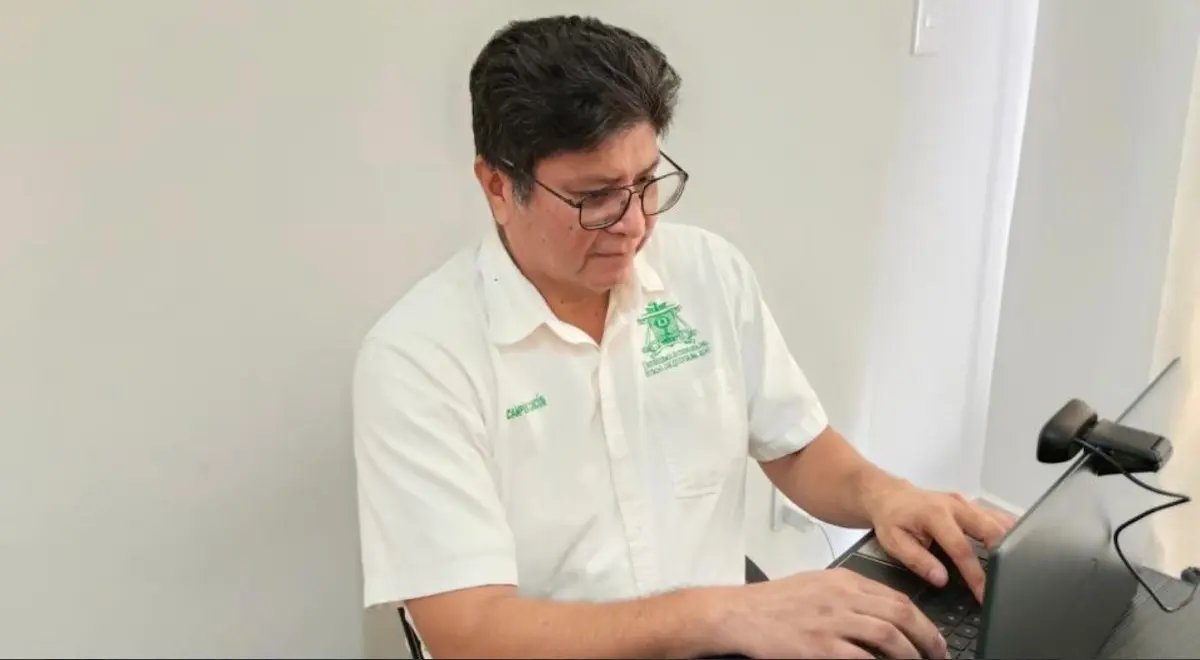
Researcher Ismael Osuna Galán, from UQRoo’s Cancún campus, is leading the project. The platform will use AI, data mining, and natural language processing to analyze large volumes of data, detect patterns, identify risk factors, and generate insights for more effective prevention strategies.
As part of the project, the team will also build a digital portal offering educational materials and resources aimed at students, teachers, tourism workers, and the general public to strengthen child protection awareness.
One innovative aspect is that the tools will be developed locally to reflect the region’s social and linguistic characteristics. This will allow for more accurate analysis of language used by adolescents in surveys and research, including slang, colloquial expressions, and spelling variations.
The platform will process statistical and open-ended response data previously collected by ECPAT Mexico in schools and other strategic sectors, helping identify trends and areas where prevention efforts need to be reinforced.
Researcher Yolanda Pérez Pimentel and UQRoo network engineering students are also participating in the project, gaining hands-on experience in AI, data analysis, and developing tech solutions with social impact.
The six-month research initiative has requested 100,000 pesos in funding, equivalent to roughly $5,500 USD.
More Development
- Cancún’s Route 17 Leona Vicario Draws More Than 16,000 Riders on First Free Day
- Quintana Roo Beaches Lose Up to 14 Meters of Sand a Year as Restoration Plan Advances
- Meliá Invests €50 Million in Paradisus Cancún Renovation
- Kukulcán Interchange in Cancún to Be Completed by Late 2026, SICT Says
- Puerto Juárez Market Set to Open October 30 With 12 Vendors
More Quintana Roo
- Quintana Roo Tops 152,000 Metric Tons of Sargassum as Playa del Carmen and Cancún Lead
- Court Gives Profepa 72 Hours to Clarify Tren Maya Closure Order
- Quintana Roo Youth Sailors Join Mexico’s Team for Optimist Championship in Uruguay
- Mara Lezama Hands Out 100 Sewing Machines in Chetumal to Boost Women’s Self-Employment
- Tourism Slump Forces 35% of Skål México Businesses to Borrow to Cover Payroll