Mexico City — More than 70% of water purification plants operating in Mexico sell water that fails to meet safe consumption standards or is contaminated, according to researchers at the National Polytechnic Institute (IPN).
The findings have raised concerns as these plants have become a primary source of drinking water for thousands of Mexican families, largely due to their lower prices compared to bottled brands.
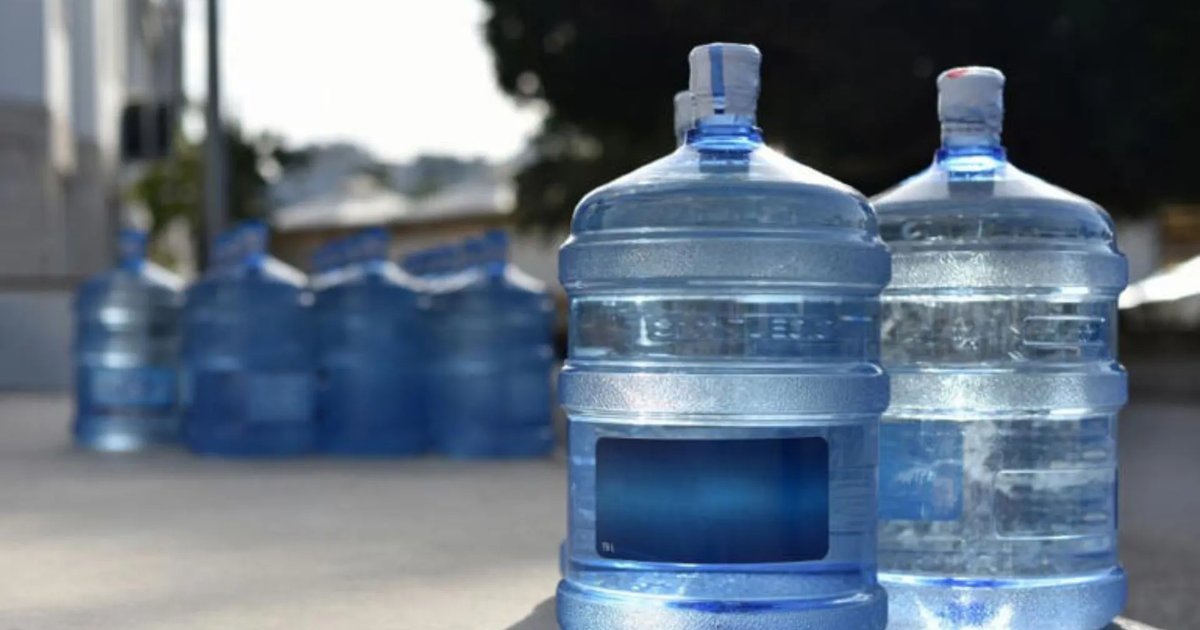
Data from the National Institute of Statistics and Geography (INEGI) shows there are over 17,000 businesses dedicated to water purification and jug refilling across the country. A 20-liter jug typically costs between 10 and 25 pesos (about $0.50 to $1.25).
Experts say the rapid growth of this sector has not always been matched by sufficient health oversight, allowing some establishments to operate without fully complying with hygiene and quality standards.
Common violations found
Frequently detected irregularities include poor cleaning of reused containers, uncertified filtration systems, and purification equipment that lacks regular maintenance. Problems have also been identified with jug storage, with some containers left exposed to high temperatures or direct sunlight for long periods — conditions that can degrade water quality and promote microplastic contamination.
Consuming contaminated water can increase the risk of gastrointestinal illnesses such as gastroenteritis, salmonellosis, diarrhea, dehydration, and even hepatitis A, experts warn. Children, the elderly, people with chronic diseases, and pets are most vulnerable to severe complications.
Growing distrust of tap water has driven many families, especially in central and northern regions, to turn to purification plants as an affordable alternative. Specialists recommend checking the hygiene conditions of establishments, asking about health certifications, ensuring equipment receives regular maintenance, and avoiding jugs that have been exposed to sunlight for extended periods.
They also call for stronger health authority oversight and stricter controls to guarantee that purification plants provide safe, accessible, quality water to the Mexican public.
More Lifestyle
- Measles Cases Surge 1,940% in Mexico’s Yucatan Peninsula
- Mexico Proposes 35% Increase in Migration Fee for Visitors With Paid Work
- Humanoid Robots in Mexico: What They Cost and What They Offer
- Cancún’s Nichupté Bridge Draws 3,500 for Third Puenteando Nichupté Edition
- Cancún Launches Operation to Protect Blue Land Crabs During Migration to the Sea