
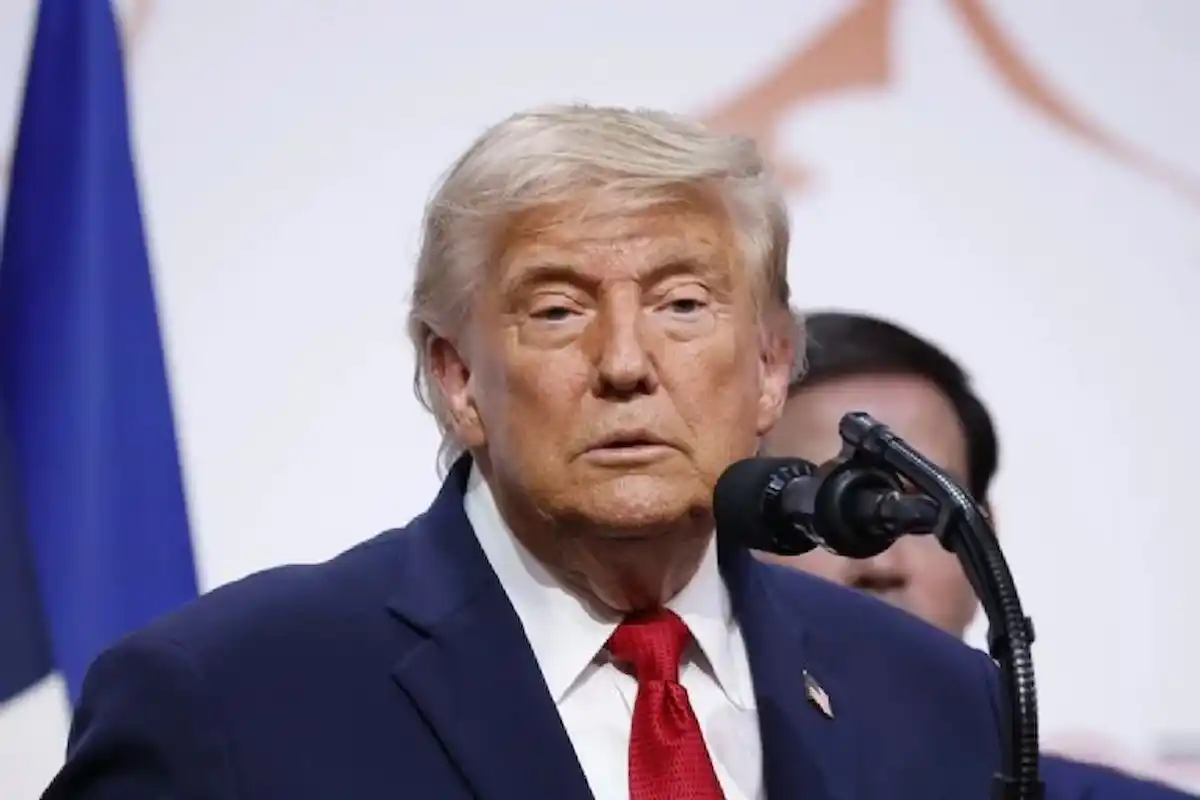
Mexico City — Officials from Mexico’s current administration have been acting as informants for U.S. President Donald Trump, providing information that implicates members of their own party in criminal activities, according to a report by The New York Times.
The newspaper, citing ten individuals involved in the conversations, said the cooperation began after the Trump administration’s Justice Department intensified investigations into the Mexican government and linked ten officials to drug trafficking ties with the Sinaloa Cartel, one of Mexico’s most powerful criminal organizations.
The report alleges that President Claudia Sheinbaum has obstructed investigations into those officials. Around ten people, including governors and members of Congress from the ruling Morena party, have reportedly approached U.S. authorities to collaborate with information about other politicians.
Cooperation Follows DEA Investigations
The recent cooperation from politicians emerged after the U.S. Drug Enforcement Administration (DEA) launched investigations into drug trafficking and Mexico’s involvement in fentanyl trafficking, the newspaper reported. According to the Times, these figures moved to cooperate before the agency could open files on them.
The newspaper interviewed the involved individuals discreetly, while the Mexican government and the DEA declined to comment on the collaboration amid tense security relations ahead of the renegotiation of the USMCA trade agreement.
Background
On April 29, the U.S. Justice Department indicated that nine Mexican officials from the Sinaloa state administration were linked to the cartel’s activities, including a senator, security chiefs, and Governor Rubén Rocha Moya. The main allegation is that they covered up for the group, which has now been designated a terrorist organization and is a top priority for the DEA alongside the Jalisco New Generation Cartel (CJNG).
More Politics
- New Quintana Roo Press Group Leader Calls for Consensus Journalist Protection Law
- UQRoo Cancún Union Workers Allege Rigged Election, Demand Full Rerun
- Isla Mujeres Approves Updated Development Plan With 185 Action Items
- Mexico Seeks Tariff Cuts on Steel and Autos in US Trade Talks
- No Date Set for Supreme Court Ruling in Quintana Roo Border Dispute
