
Mexico City — Mexico’s annual inflation rate continued its downward trend, falling to 3.55% in the first half of June, the National Institute of Statistics and Geography (INEGI) reported Wednesday. The figure beat analyst expectations and marked the sixth consecutive biweekly decline, bringing inflation within the Bank of Mexico’s target range.
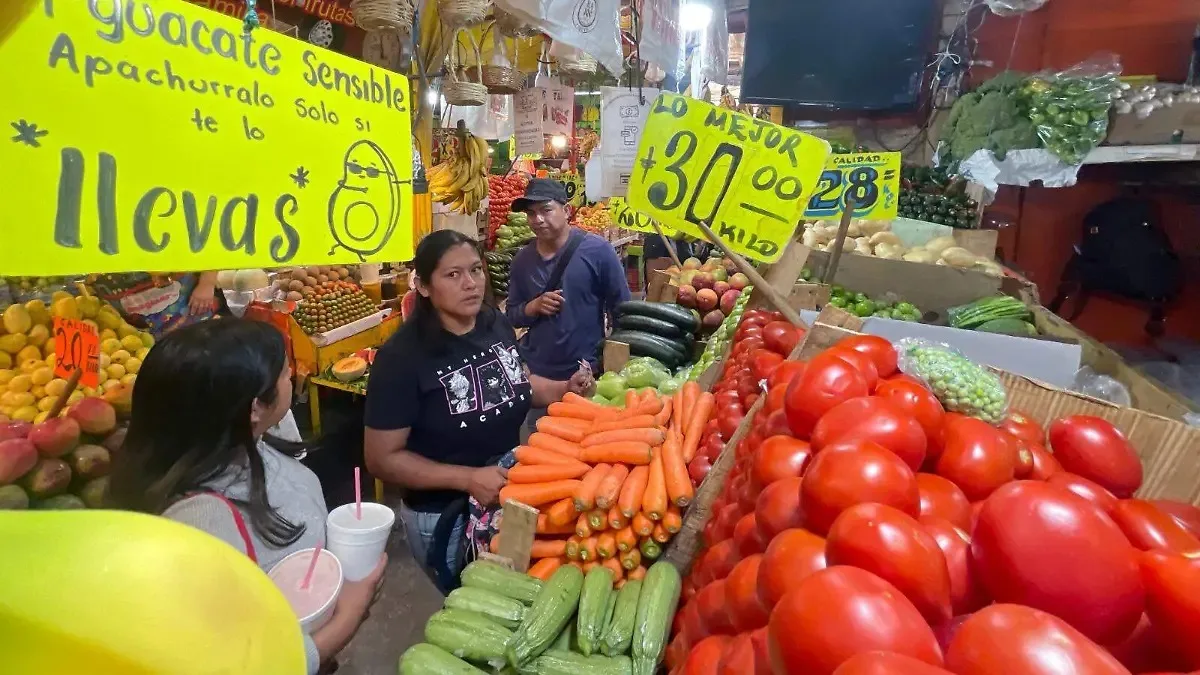
The National Consumer Price Index fell 0.11% compared to the previous fortnight. The decline was driven mainly by the non-core component, where fruit and vegetable prices plunged 5.24%.
Biggest price drops
Chiles and tomatoes led the decreases in markets and supermarkets across the country. The products with the largest biweekly declines were:
- Poblano chili: -28.33%
- Tomato: -23.98%
- Serrano chili: -15.21%
- Grapes: -14.59%
- Other fresh chiles: -6.55%
- Eggs: -4.51%
- Bananas: -2.27%
Outside the food sector, cars (-0.72%) and sneakers (-0.66%) also saw slight price decreases.
However, the start of the 2026 FIFA World Cup in Mexico put seasonal pressure on tourism and transportation sectors.
Biggest price increases
The products and services with the largest biweekly increases were:
- Avocado: +18.51%
- Air transportation: +13.75%
- Hotels: +8.73%
- Potatoes and other tubers: +5.76%
- Package tour services: +4.07%
Despite the overall positive figure, analysts suggest the Bank of Mexico will remain cautious at its next monetary policy meeting. Core inflation, which excludes volatile items, stood at 4.12% annually, proving more stubborn.
The central bank is expected to keep its benchmark interest rate at 6.50%, as it balances global economic stability with a moderated GDP growth forecast of 1.1% for the year.
More Economy
- Lee Heads to UN for Trump Talks, Then Mexico Summit
- Quintana Roo Transport Union Prepares Bid for 20% Fare Increase
- Electric Vehicles to Dominate Mexico Car Sales, Hitting 66% by 2040
- Tourism Occupancy in Holbox Slides Amid Economic Crisis and Erratic Weather
- Cancún Ranks Second in Mexico for Food Waste as Residents Discard 260 Grams Daily