Mexico City — Mexico and the United States have agreed to extend the third round of bilateral talks on the US-Mexico-Canada Agreement (USMCA) from two to four days, as both sides work to resolve key issues ahead of the formal review scheduled for July 1, 2026.
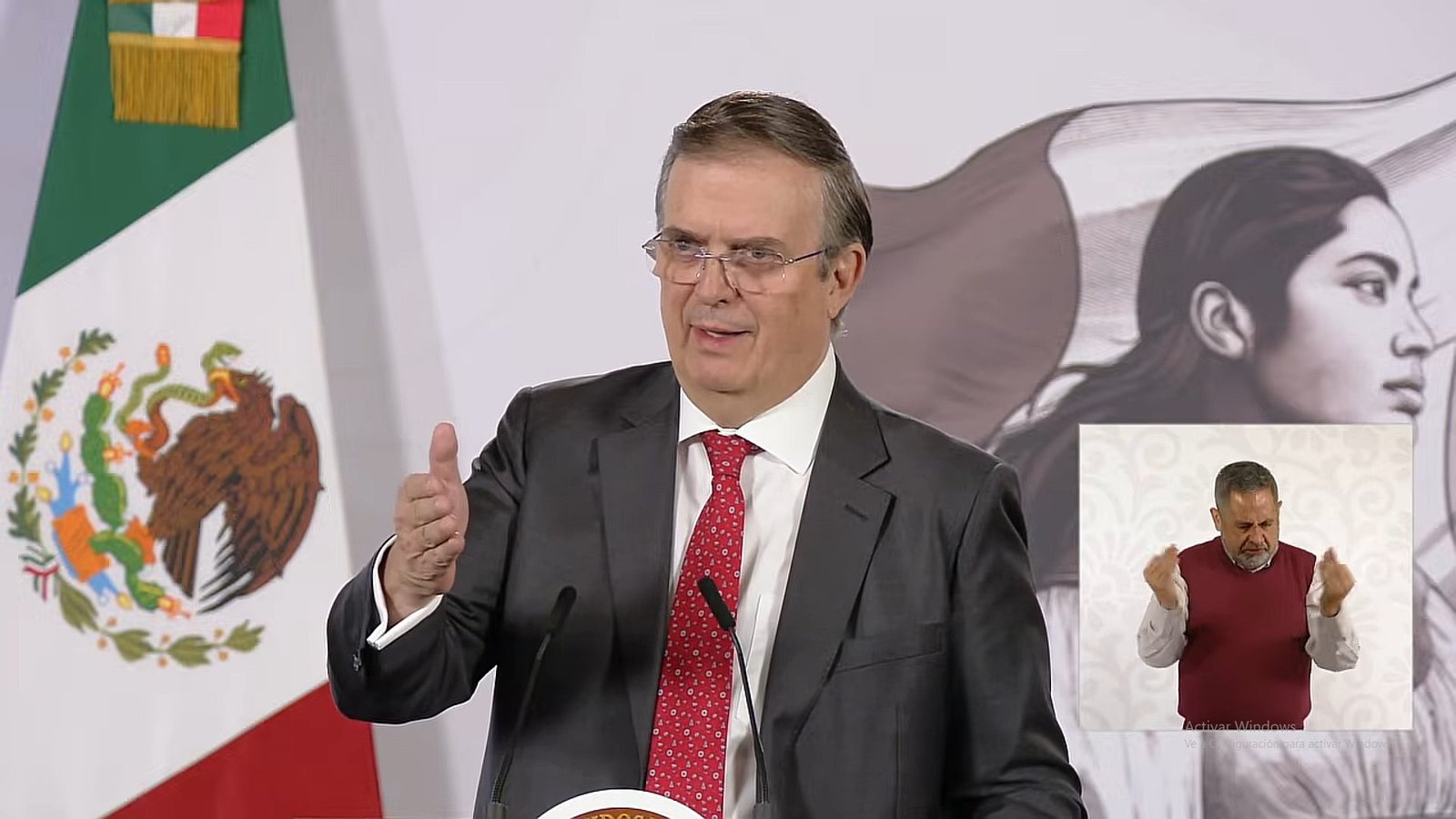
Economy Minister Marcelo Ebrard confirmed that the meetings will take place June 15–18 in Washington, where the Mexican delegation will present responses and proposals on strategic topics affecting the economic relationship.
Speaking at President Claudia Sheinbaum’s morning press conference, Ebrard said the extended schedule will allow for deeper discussion of issues raised by the US in previous rounds, including rules of origin for the automotive industry, steel and aluminum trade, and regional economic security.
“On the 18th we will have an extensive meeting with the US official in charge of the review, so we will be working throughout the week,” Ebrard said.
The Mexican government aims to preserve the competitive advantages the USMCA provides over other countries exporting to the US market, he added. The strategy also seeks to strengthen Mexico’s position within North America amid nearshoring trends and global supply chain reconfiguration.
The Mexican delegation includes Altagracia Gómez, coordinator of the Regional Economic Development and Relocation Advisory Council (CADERR), and Roberto Lazzeri, Mexico’s new ambassador to Washington.
What happens with the USMCA review?
The USMCA, which took effect July 1, 2020, is designed to remain in force until 2036, provided the three member countries agree to maintain it through periodic reviews. The 2026 review is the first formal evaluation and could lead to adjustments, modifications, or ratification of current terms.
Ebrard clarified that July 1, 2026, marks only the formal start of the review process, not its conclusion. Negotiations could extend for several months.
The talks have taken on added significance after recent statements by US President Donald Trump questioning the treaty’s continuation and suggesting the US could operate without it. Mexican authorities remain committed to strengthening the trade pact, which they consider a key driver of investment, exports, and economic growth in North America.
More Politics
- Quintana Roo Electoral Body Orders Councilwoman To Pull Videos Criticizing Mayor
- Latinus Audio: Businessman Says He Gave Money to Marina del Pilar’s Campaign
- Arizona Correctional Officer Accused of Smuggling Ammunition for Sinaloa Cartel Faction
- US Ambassador Warns Cartels Pose Terrorist Threat at 9/11 Ceremony in Mexico
- US Northern Command Praises Mexico’s Anti-Drone Efforts