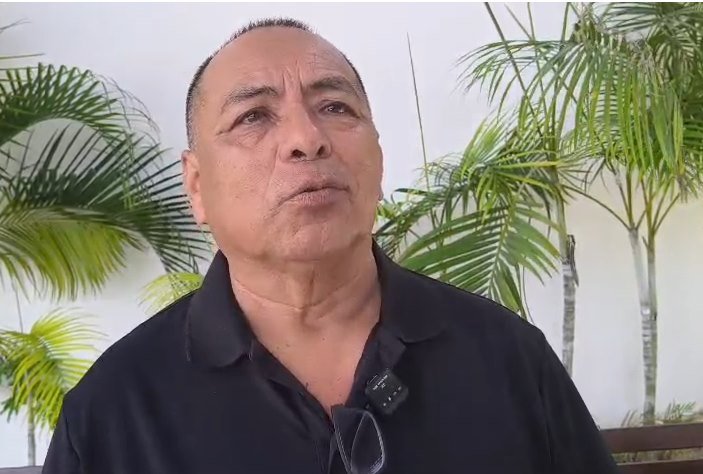
Playa del Carmen, Quintana Roo — Government agencies and courts in Quintana Roo are failing to provide indigenous language translators despite legal mandates, according to the state coordinator of the National Indigenous Plural Assembly for Autonomy (ANIPA).
Hermelindo Be Cituk said Wednesday that while translators for indigenous languages exist, it is a fallacy that government and judicial authorities actually use them to serve the public.
Be Cituk pointed out that the Playa del Carmen municipal government trains public officials in English, but not in the Mayan language. The only instructor offering Mayan language courses was at the Municipal Institute of Culture and Arts, and those classes have not been promoted recently, he said.
Mexico’s General Law on the Linguistic Rights of Indigenous Peoples requires that all federal or local procedures and trials guarantee the use of the indigenous language of the person involved. Additionally, Articles 2 and 20 of the Mexican Constitution establish the right of every indigenous person to be assisted by interpreters and defenders who know their language and culture from the moment of their arrest.
However, Be Cituk said those provisions have remained only on paper. He did not rule out raising the issue at the Indigenous Assembly scheduled for August 21 in Felipe Carrillo Puerto.
He also cited the Municipal Women’s Institute as an example, saying it lacks a translator to serve indigenous women, who he said face triple discrimination: for being poor, for being women, and for being indigenous.
More Government
- Playa del Carmen Taps HR Directors to Boost Local Hiring
- Moderna COVID-19 Vaccine to Be Offered to Children in Cancún
- Trump Escalates Pressure on Mexico, Demands Action Against Cartel-Allied Officials
- Alleged Owner of Cancún Home Rented by Puerto Morelos Mayor Linked to Ultramar Fraud Case
- Paraguayan Tourists Challenge Asur Over $30 Exit Fee at Cancún Airport
More Zona Maya
- Man Sentenced to 108 Years for Raping and Sexually Abusing His Three Stepdaughters
- Artists Plan Night Festival to Revive Mayan Legends in José María Morelos
- Quintana Roo Youth Institute Seeks 13 Million Peso Budget Boost for Scholarships
- Five Ejidos Seek Alliance to Protect Chichankanab Lagoon in José María Morelos
- Maya Frog and Toad Shell Pendants May Reveal Ancient Trade Routes