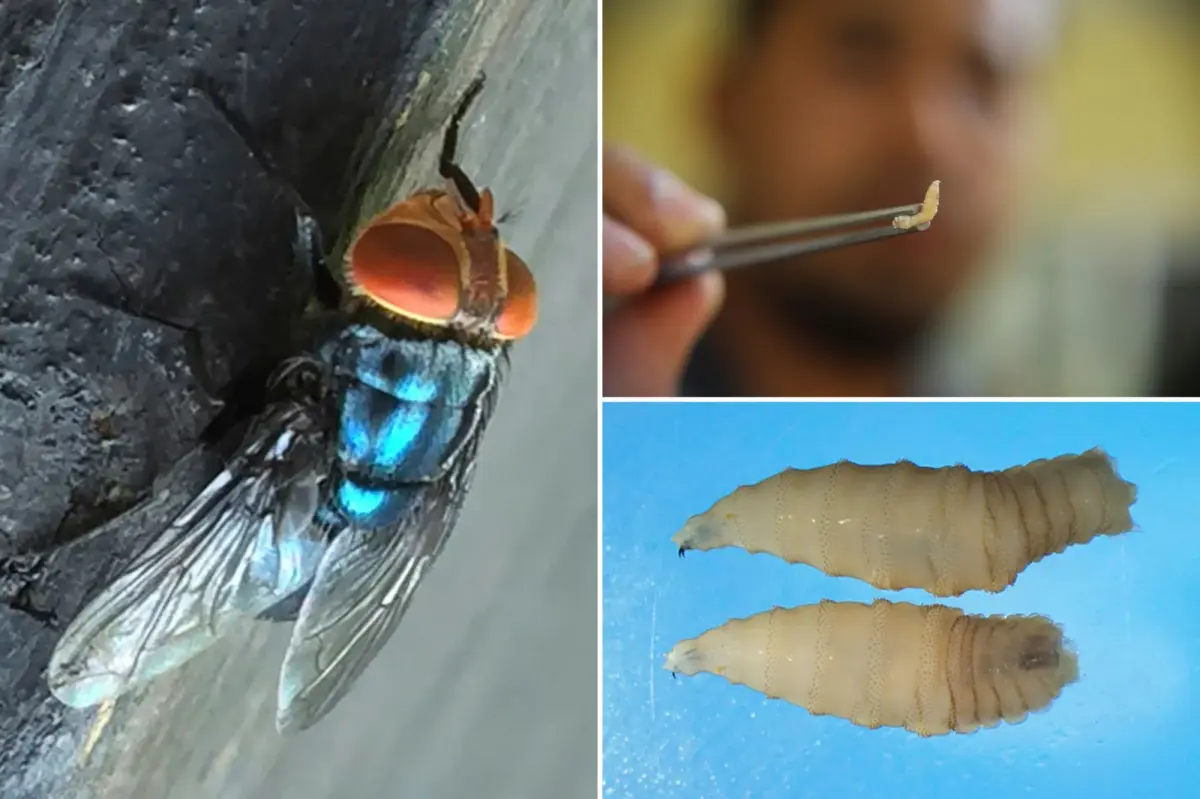
Mérida, Yucatán — Health authorities in Yucatán have confirmed the state’s first human death from myiasis caused by the screwworm (Cochliomyia hominivorax). The victim, a 79-year-old woman from Mérida, also suffered from diabetes and other chronic conditions that complicated her condition and led to the fatal outcome.
This death is the third nationally in the current outbreak, which has now surpassed 500 confirmed human cases across Mexico, according to health officials. The woman’s age and underlying diseases were contributing factors.
What Is Screwworm and Why Is It Dangerous?
Human myiasis occurs when the female screwworm fly lays eggs in an open wound. Once hatched, the larvae feed on living tissue, causing severe damage if untreated. People with exposed wounds, limited mobility, or chronic illnesses such as diabetes are at highest risk.
National Situation
Mexico has recorded more than 500 confirmed cases of screwworm myiasis during the current outbreak. The states with the highest number of cases are:
- Chiapas: 148 cases
- Veracruz: 95 cases
- Oaxaca: 46 cases
While myiasis primarily affects livestock, human cases are on the rise, prompting health authorities to intensify epidemiological surveillance.
Risk to Livestock and Economy
The screwworm is a major threat to cattle and other farm animals, causing significant economic losses in livestock regions such as southeastern Mexico. Infestations in humans occur under specific conditions but can become critical when combined with neglect and vulnerability.
Health Recommendations
Authorities urge the public to take the following precautions:
- Maintain rigorous hygiene for any wound, no matter how small
- Seek immediate medical attention for wounds showing signs of infection – redness, unusual discharge, or a sensation of movement under the skin
- Avoid self-medication, which can worsen the infestation
- Pay special attention to elderly individuals, people with diabetes or other chronic diseases, and those living in rural areas or in frequent contact with animals
Epidemiological surveillance remains active nationwide to detect new cases promptly and prevent further spread of the outbreak.
More Environment
- Cancún’s Benito Juárez Recycling Drive Recovers 6.8 Tons of Waste
- US Releases 1 Billion Sterile Flies to Stop Screwworm’s Return
- Delphinus Blue Planet Pulls Out of Deal to Buy The Dolphin Company, Leaving 101 Marine Animals in Limbo
- New Pemex Oil Spill in Gulf Won’t Reach Campeche Beaches, Company Says
- Cozumel Beach Club Kuzá Targets 4,000 Daily Visitors in Protected Area With CONANP Backing