
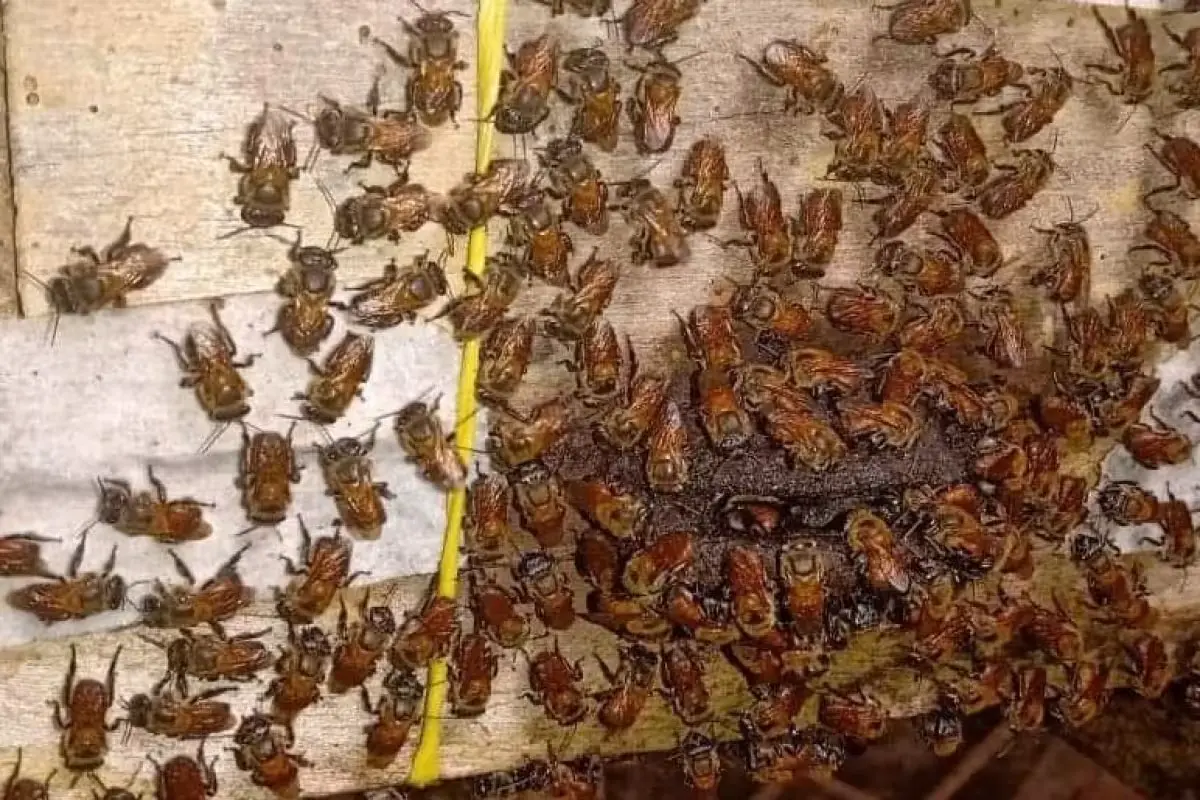
José María Morelos, Quintana Roo — Converting land for farming and cattle ranching is putting native wild bees at risk in Quintana Roo, where the insects carry out part of the pollination that sustains trees and plants in the Maya forest, a researcher has warned.
Communities and communal land holdings, known as ejidos, need to draw clearer boundaries between areas set aside for production and those reserved for conservation, said Aurora Xolalpa Aroche, a researcher at the Universidad Intercultural Maya de Quintana Roo (UIMQROO), the state’s intercultural Maya university.
Xolalpa Aroche said attention usually centers on the species used to produce honey, even though those represent only a fraction of all pollinators. Many native bees live freely in the ecosystem and, while they have no commercial value, play a key role in reproducing local vegetation.
Land-Use Planning Seen as Key
The researcher argued that cutting pesticide use is only part of the solution. She proposed working directly with ejido organizations on land-use changes and on drafting community plans that define which areas should be conserved and which can be used for productive activity.
Those plans, she said, should weigh the needs of beekeeping, farming and cattle operations together so that the expansion of one activity does not shrink the space needed to maintain biodiversity. Protecting pollinators also means preserving the vegetation they depend on for food and reproduction, she added.
Xolalpa Aroche said another challenge is ensuring a new generation takes up traditional practices such as meliponiculture, the keeping of stingless bees. She called for conditions that encourage young people to stay involved in rural work — not only as a productive activity but as part of conserving the biodiversity and biocultural heritage of the Yucatan Peninsula.
More Environment
- Activists Warn Playa del Carmen Real Estate Boom Is Driving Deforestation
- Activists Find Archaeological Remains at Playa del Carmen Hotel Site
- Activists in Playa del Carmen Demand Resignation of Quintana Roo Environment Chief Over Alux 33 Approval
- Playa del Carmen Launches ‘Parquemanía’ to Revive Public Parks
- Quintana Roo Bets on Luxury, Diving and Gastronomy Tourism for 2027
More Zona Maya
- UIMQROO to Build Student Dormitories With 19 Million Peso Investment
- Tulum Delivers Free Medicines to Health Houses in Vulnerable Communities
- Tulum Tourism Slump Spreads to Inland Maya Communities as Businesses Close Along Cobá Route
- Mahahual Groups Build Reinforced Dog Shelters to Shield Pets From Jaguar Attacks
- Man Hospitalized After Apparent Crocodile Attack at Noh Bec Lagoon