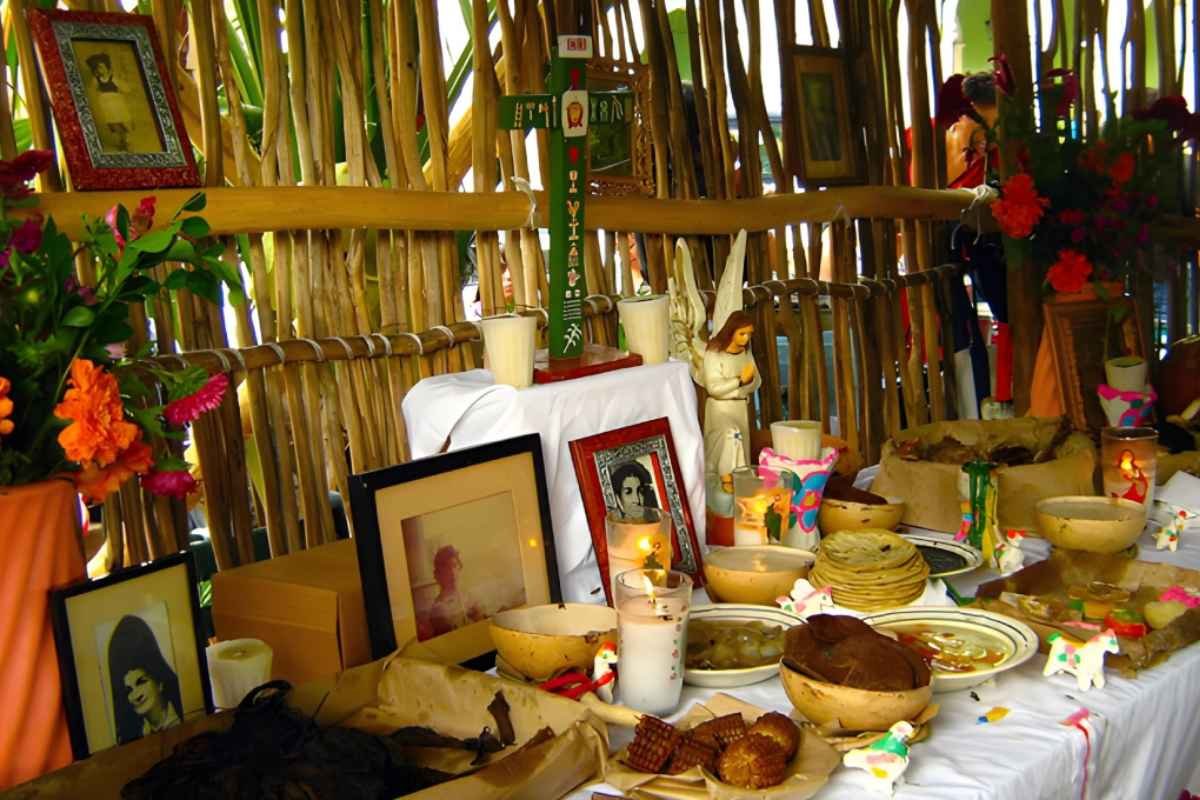
Felipe Carrillo Puerto, Quintana Roo — In Maya communities such as Shesley, the Janal Pixán celebrations do not end on Nov. 2. Through a ceremony known as the Bix, or octavario, families extend the tradition with offerings, food and prayers to send off the pixanes — the souls that ancestral belief holds return to the world of the living during these days.
The Bix marks the close of the cycle dedicated to the dead and is usually held about a week, and sometimes up to 15 days, after the main celebrations. In villages including Betania, Yaxley, Pichil and Shesley, the practice carries a spiritual heritage passed down between generations and keeps Maya customs alive.
Food and prayers for souls left alone
For the Bix, families rebuild altars with traditional foods, among them pib, or mucbipollo — a corn-based dish baked in an underground oven — along with roast chicken and dry dishes that keep longer. The offerings are part of the symbolic farewell to the deceased, a ceremony that blends family gathering with respect for beliefs inherited from their ancestors.
One of the most significant elements is the remembrance of the so-called ánimas solas, souls that no longer have relatives to remember them or pray for them. So that they are not left out, families place food and candles outside the main table or at the doorway of their homes, a gesture of spiritual solidarity meant to guide them on their way back.
The women who keep the Maya heritage alive
Community prayer leaders, known as rezadoras, play a central role during the Bix, leading prayers in both Maya and Spanish. Their prayers are dedicated to the souls and form part of a communal practice that preserves the spiritual dimension of Janal Pixán well beyond the dates widely recognized for Day of the Dead.
With the ceremony, communities in Felipe Carrillo Puerto keep an ancestral tradition alive that honors deceased loved ones and also remembers those who might otherwise be forgotten. The Bix serves as a final farewell for the pixanes and as an expression of Maya cultural identity, one whose survival depends on new generations learning and passing on the custom.
More Culture
- Cancún Plans Cuban Cultural Corridor on Avenida Yaxchilán to Turn Migration Into Tourism
- Bishop of Cancún-Chetumal Visits 73 of 78 Parishes in First Eight Months
- Kantunilkín Opens Fair Season With Century-Old Maya ‘Primicia’ Ritual
- Playa del Carmen Ejido Marks 89 Years and Honors Its 54 Founders
- Cancún’s El Parián Market Endures as a Working-Class Hub After 48 Years
More Zona Maya
- Tulum Mayor Diego Castañón Pitches Shared Prosperity Market in Bacalar
- Plant Growers in Lázaro Cárdenas Face Two-Month Stretches Without Sales
- Researchers Probe Possible Underground Fracture Beneath Chichankanab Lagoon in Quintana Roo’s Maya Zone
- One Dead and a Woman Arrested After Shootout With Tulum Police in Francisco Uh May
- Nine Zona Maya Communities Earn Federal Community Tourism Certification in Quintana Roo