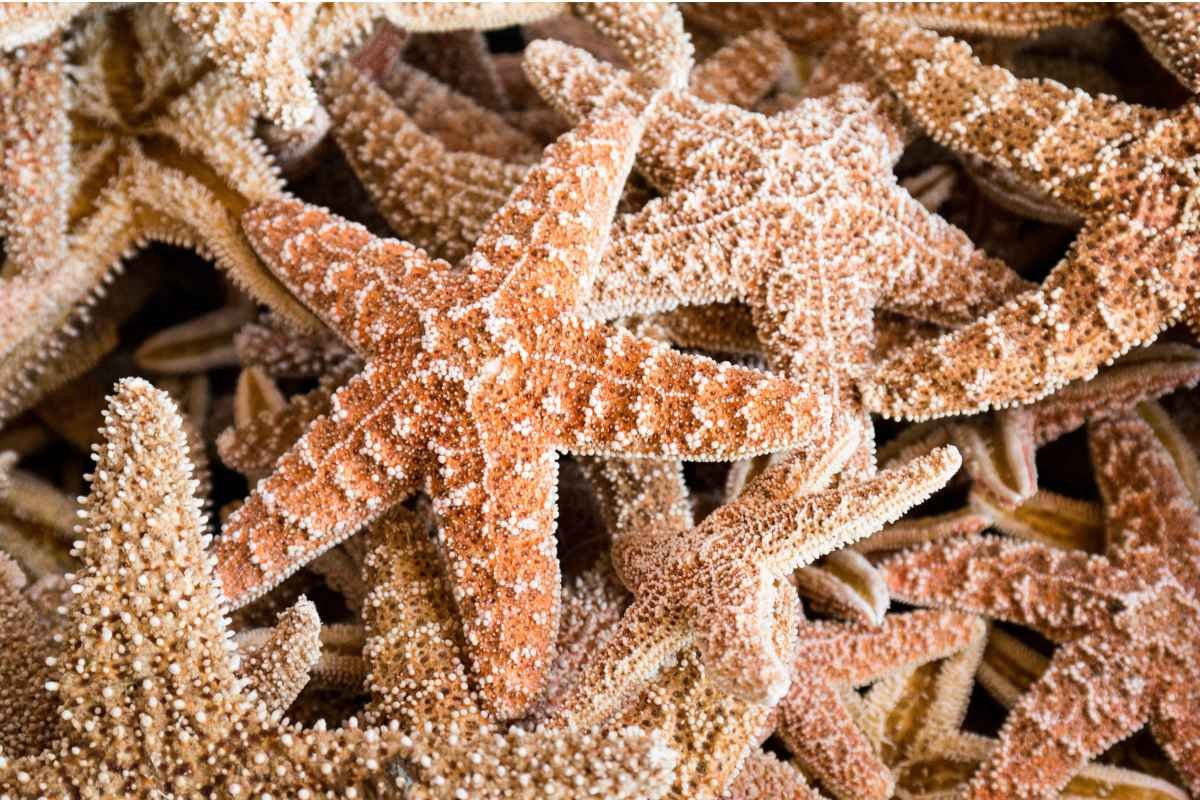
Isla Mujeres, Quintana Roo — Dried starfish remain on sale at several points around Isla Mujeres despite a permanent ban on harvesting the species, a tour of the island’s retail spots found.
Traders are offering the dried animals for between 80 and 100 pesos each, depending on size. Some also stock pink conch shells, another species covered by a permanent prohibition.
The federal Environment and Natural Resources Department (Semarnat) has repeatedly warned vendors to stop selling both, without lasting effect.
Warnings on tourist boats have curbed some sales
Public service announcements produced by the National Commission of Protected Natural Areas (Conanp) and shown on the closed-circuit televisions aboard passenger boats since 2024 have made many visitors reluctant to buy dried starfish for fear of being fined, one handicraft seller said. The vendor, who used to keep the animals in his inventory, said he dropped them after the messaging began.
Shops outside the historic center largely stopped offering them in 2024. Sales have nevertheless continued openly at at least three sites along the perimeter road, along with other clandestine points, according to the survey.
Vendor says specimens came from fishing nets
On the road to Sac-bjo, a seller who declined to give his name displayed more than 20 dried specimens. He said he sells them to tourists out of financial need and that he buys the animals from fishermen who find them already dead in their nets.
Roughly 26 years after the permanent ban took effect, an estimated 880,000 starfish are still traded each year along Mexico’s coastline, according to official figures, including about 4,500 on Isla Mujeres.
Extraction ban carries prison terms
Article 60 Bis of Mexico’s General Wildlife Law, introduced in 2000 and amended in 2002, prohibits the extractive use of starfish — whether alive or dead — from Mexican beaches and waters without explicit authorization from environmental authorities. Only catches destined exclusively for accredited scientific research are exempt.
Violations carry one to nine years in prison and fines of 300 to 3,000 days’ minimum wage, with penalties increased when the offense is committed for commercial gain.
More Environment
- Inside the New Guide to Mexican Caribbean Cave Diving
- Flamingo Named Víctor Flies 262 Kilometers Across Yucatán’s Coastal Wetlands
- Quintana Roo Launches No-Investment Solar Fund to Cut Business Power Bills by 30%
- Playa del Carmen Mayor Under Pressure Over Removal of Two 80-Year-Old Trees in Zazil-Há
- Maya Chicle Still Lacks International Registration Two Years After Geographic Indication