Washington, D.C. — The U.S. Drug Enforcement Administration (DEA) has declared a state of maximum alert over the potential influx of fentanyl from Mexican cartels during the 2026 World Cup, which is being co-hosted by the United States, Mexico, and Canada.
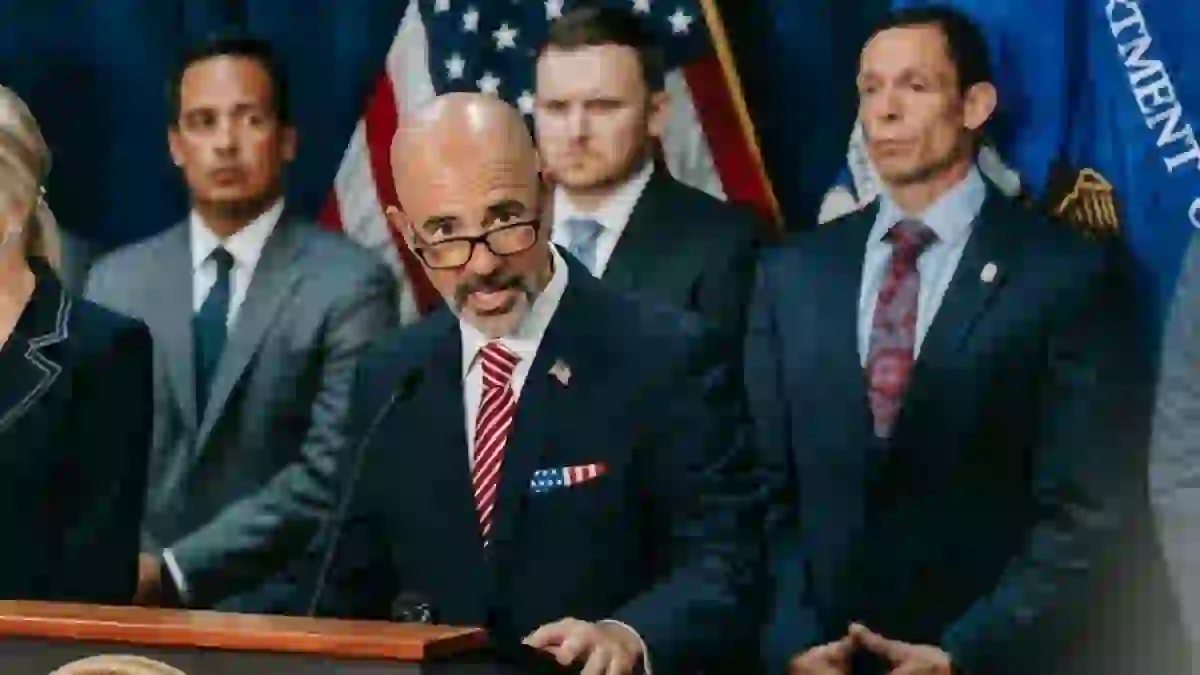
DEA Director Terrance C. Cole said in an interview with News Nation that the tournament presents a significant opportunity for drug cartels to expand their operations within the U.S. due to the large number of foreign visitors entering the country.
“The World Cup offers a new opportunity for the cartels to operate,” Cole told journalist Ali Bradley. He added that cartels are solely focused on profit and are indifferent to the health consequences or violence associated with fentanyl use.
Cole also announced the launch of a new initiative called “Fentanyl-Free United States,” aimed at disrupting cartel activities. He emphasized that the DEA maintains a strong working relationship with Mexican officials, including Public Security Secretary Omar García Harfuch, describing the information flow between the two countries as “active and free.”
The DEA director noted that Mexican drug cartels now operate in all 50 U.S. states and in Canada, posing a significant threat to public safety.
More Politics
- Quintana Roo Electoral Body Orders Councilwoman To Pull Videos Criticizing Mayor
- Latinus Audio: Businessman Says He Gave Money to Marina del Pilar’s Campaign
- Arizona Correctional Officer Accused of Smuggling Ammunition for Sinaloa Cartel Faction
- US Ambassador Warns Cartels Pose Terrorist Threat at 9/11 Ceremony in Mexico
- US Northern Command Praises Mexico’s Anti-Drone Efforts