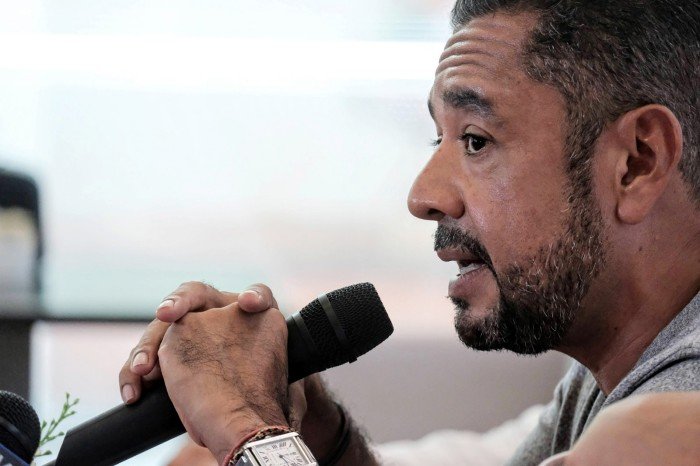
Cancún, Quintana Roo — Sweeping changes to Mexico’s Customs Law set to take effect on January 1, 2027, could drive up import costs, slow the clearance of merchandise and erode the competitiveness of businesses across Quintana Roo, a leading business representative warned.
Sergio León, who represents the Confederation of National Chambers of Commerce, Services and Tourism (Concanaco) in the state, said the reforms carry particular risk for a region that depends heavily on foreign goods.
Quintana Roo consumes roughly $23 billion worth of products a year — food, beverages, textiles, footwear, construction materials and decorative items among them — and about 60 percent of that comes from abroad, he said. Changes to customs inspection procedures could therefore ripple through the state’s commercial, manufacturing and tourism supply chains.
Closer scrutiny of declared values
Among the main changes León cited is tighter scrutiny by the Tax Administration Service (SAT) and customs authorities of the declared value of goods and of the costs associated with moving them.
Products priced well below comparable merchandise could be flagged for review and subject to precautionary embargoes, while importers and customs brokers will face heavier obligations to document and justify their transactions.
Speaking to Radio Fórmula, León questioned the lack of clarity around the criteria officials will use to decide when a price suggests possible undervaluation.
He offered a simple example: a branded drinking glass might sell for 10 pesos, while a generic glass bought in bulk could go for 50 centavos, without any irregularity necessarily involved. Price gaps, he said, can reflect branding, the supplier, the volume purchased and each company’s negotiating power.
Crackdown goals vs. real-world fallout
León acknowledged that cracking down on smuggling, tax evasion and fraudulent trade practices could level the playing field and improve the traceability of imports.
But he cautioned that vague enforcement could leave goods immobilized, capital tied up, administrative costs higher and waiting times longer — a burden that would fall hardest on businesses with limited liquidity.
Costlier inputs, he added, could ultimately be passed on to consumers and squeeze sectors including agriculture, ranching, fishing, manufacturing and tourism, all of which rely on imported products to operate.
He urged authorities to set transparent criteria and review mechanisms that can separate fraudulent operations from legitimate purchases made at competitive prices.
Citing 2024 economic census figures, León said Mexico has 5.5 million registered businesses, and he warned that micro-enterprises dependent on foreign merchandise have few resources to withstand prolonged detentions of their goods.
Given that risk, he called on the business community to organize and press for clear rules and legal certainty before the modifications take effect.
AmCham conference set for Playa del Carmen
Separately, León announced that the AmCham Alliance annual conference will run from October 28 to 31 at the Paradisus hotel in Playa del Carmen, with about 100 businesspeople from more than 50 countries expected to attend.
The gathering will include one-on-one business meetings and draw representatives from Asia, Europe and Latin America, he said, with the aim of driving trade deals linked to Quintana Roo.
More Economy
- Cancún Tourism Sector Urges Dialogue After Transporter Protests Snarl Airport Access
- Quintana Roo Develops Guide to Promote Cave and Cenote Diving
- Maya Tulum By G Hotels Closes Permanently as Tulum Tourism Crisis Deepens
- Bodega Aurrera to Open as José María Morelos’s First Department Store
- Quintana Roo Tax Agency Joins Buen Fin 2026 With Tax Discounts Still Undefined
More Quintana Roo
- Quintana Roo to Spend 11 Million Pesos on Police Body Cameras
- Quintana Roo Cysticercosis Cases Jump From 1 to 21 in 2026, Health Data Show
- Quintana Roo Adds Sargassum Boats and Barriers Under National Strategy
- Playa del Carmen Offers 21,000 Flu Vaccine Doses to Older Adults and Young Children
- Mexican Caribbean Must Overhaul Its Tourism Model, STARC Director Says