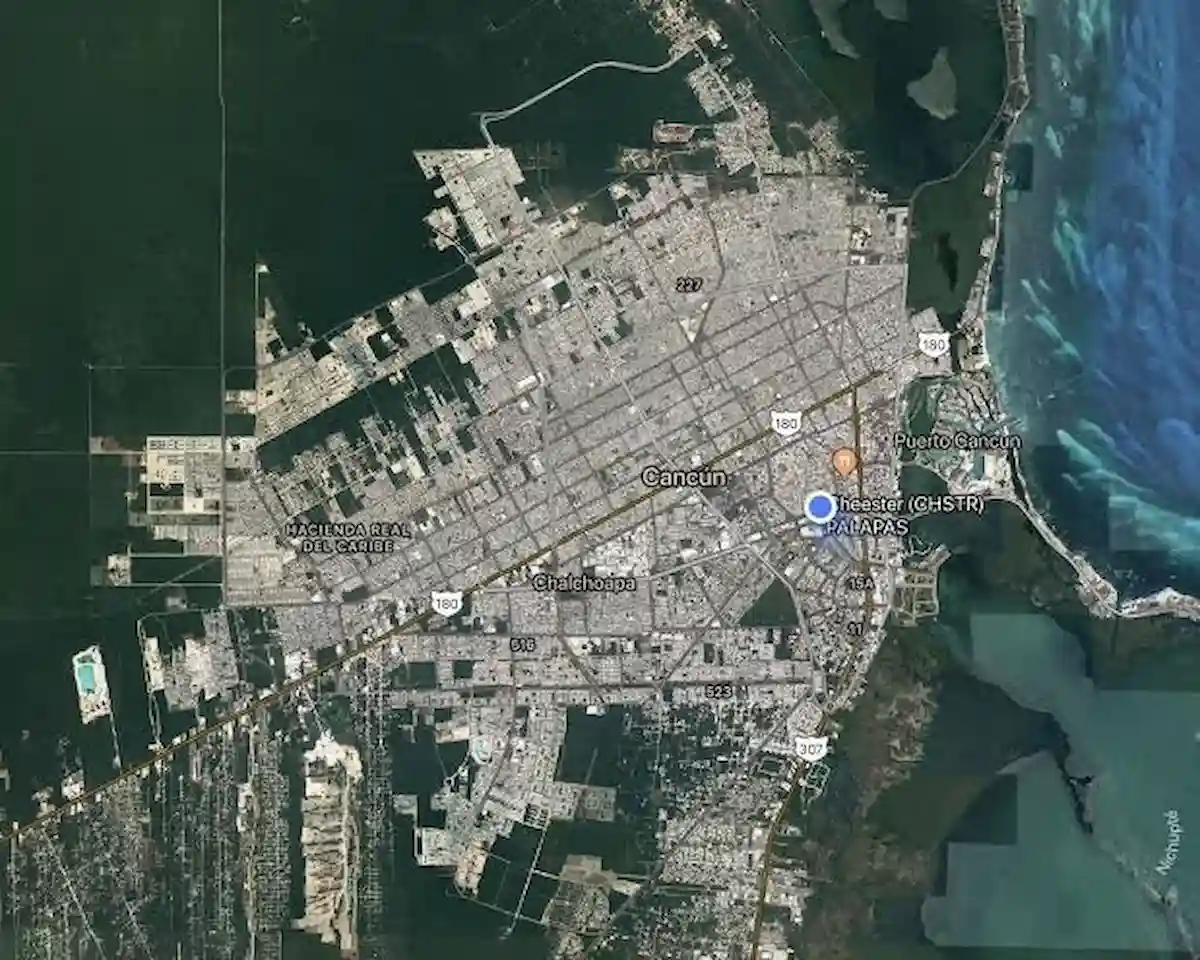
Cancún, Quintana Roo — Cancún’s urban development program is moving into its zoning phase after the completion of most diagnostic work, the director of the city’s Municipal Planning Institute (IMPLAN) said.
Héctor Sánchez Tirado said the Municipal Urban Development Program (PMDU) will determine where Cancún can grow and under what conditions, balancing development needs against the protection of environmentally sensitive areas. The plan applies to the municipality of Benito Juárez, which includes Cancún.
Sánchez Tirado said the PMDU’s schedule was adjusted to coordinate with the Local Ecological Planning Program (POEL), which will define environmental protection zones and their relationship with urban areas. The POEL is expected to be completed in September. The PMDU would then hold a third general workshop in October, with public consultations running from November through December. Publication of the new plan is expected in January or February 2027.
As part of the process, specialized working sessions will be held in areas with varying degrees of urban complexity, including Donceles, the Hotel Zone, downtown Cancún and El Ombligo.
UN-Habitat’s support has helped broaden the vision for Cancún’s future, particularly around the concept of a 15-minute city. The model calls for developing urban subcenters where residents can reach services, education, commerce and other activities without traveling to the city center.
The longer-term goal, set for the next 50 years, is for Cancún to become a place where people can walk, cycle or use public transit and meet their daily needs within trips of about 15 minutes.
One of the main challenges identified during planning sessions is rising density without adequate supporting infrastructure, particularly in already consolidated neighborhoods. The Hotel Zone has drawn particular attention because adding residents or buildings there requires ensuring that services and mobility can keep pace.
IMPLAN has held meetings with Aguakan, CFE and other service providers to coordinate their infrastructure plans with the areas where the municipality wants to promote urban consolidation.
For established sectors such as the city center, Yaxchilán, Nader and Tulum Avenue, Sánchez Tirado said the issue is not only defining new land uses or allowing higher densities. Officials must first determine whether existing infrastructure can support that growth.
The new PMDU aims to ensure Cancún’s expansion over the coming decades comes with adequate infrastructure, services and a better distribution of urban activities, rather than allowing the city to grow without an integrated plan.
More Development
- Cancún’s Route 17 Leona Vicario Draws More Than 16,000 Riders on First Free Day
- Quintana Roo Beaches Lose Up to 14 Meters of Sand a Year as Restoration Plan Advances
- Meliá Invests €50 Million in Paradisus Cancún Renovation
- Kukulcán Interchange in Cancún to Be Completed by Late 2026, SICT Says
- Puerto Juárez Market Set to Open October 30 With 12 Vendors
More Cancun
- Moderna COVID-19 Vaccine to Be Offered to Children in Cancún
- Paraguayan Tourists Challenge Asur Over $30 Exit Fee at Cancún Airport
- Mexico Hoteliers Warn of 1.1 Million Air Tourist Loss as U.S. Arrivals Slump
- Caribbean Poker Tour Closes 2026 Season in Sint Maarten With $125,000 Main Event
- Canine Unit Finds 10 Kilos of Cocaine Hidden in Suitcase at Cancún Airport