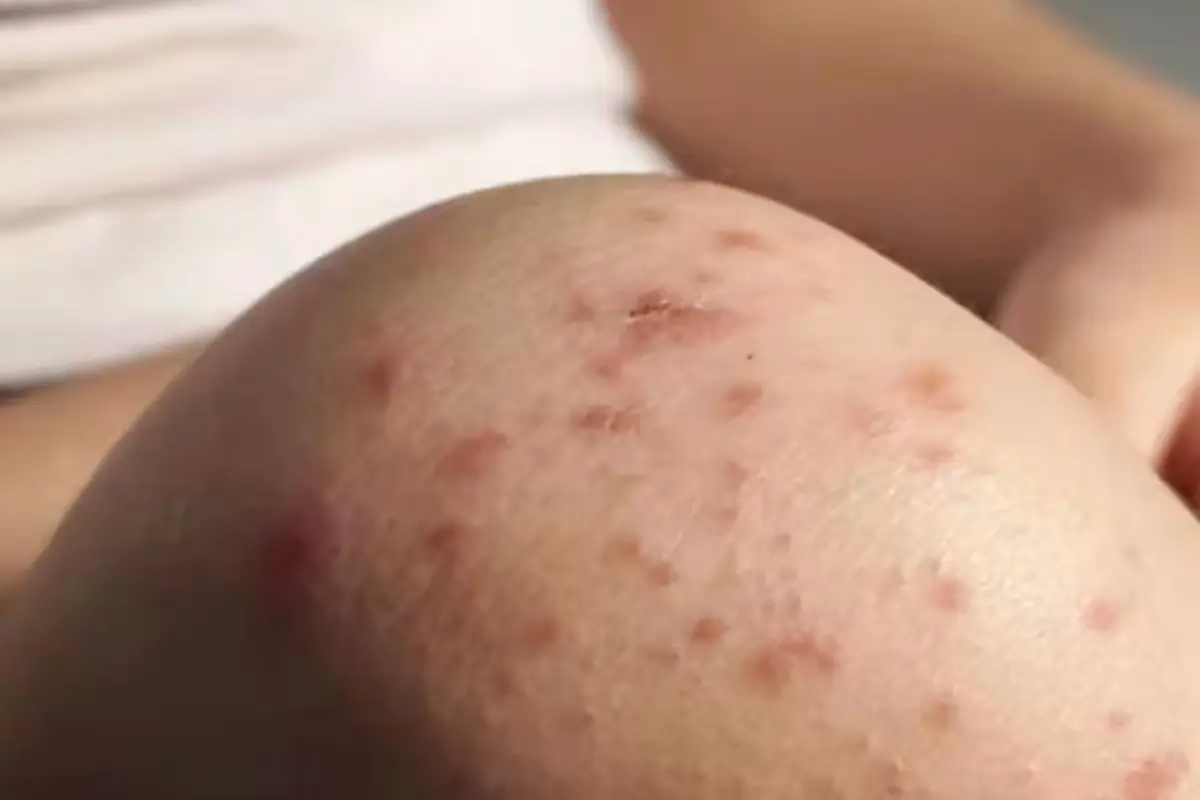
Cancun, Quintana Roo — Cancun accounts for nearly half of all measles cases reported in Quintana Roo this year, with 120 of the state’s 248 confirmed infections, according to the latest federal epidemiological surveillance report.
The municipality of Benito Juárez, which includes Cancun, concentrates 48.3% of the state’s cases. Two other municipalities also have high incidence: Playa del Carmen with 71 cases and Othón P. Blanco with 27. The remaining cases are distributed across other municipalities.
Measles transmission remains active in the state, with three new patients confirmed in the past week. No deaths have been reported in Quintana Roo from the disease.
The virus primarily affects children aged one to four years and people aged 25 to 29, the age groups with the highest number of patients, according to epidemiological data.
State health authorities have said that among children, one of the main causes of vulnerability is the lack of updated vaccinations under the National Vaccination Schedule, which facilitates the spread of the virus in everyday settings such as schools.
With the end of the school year and the upcoming summer vacation period, health officials say this is an opportunity for parents to review and complete their children’s pending vaccinations.
Measles is a highly contagious viral disease that can be transmitted through the air when an infected person coughs, sneezes, or even talks. Immunization remains the most effective measure to prevent infection and reduce the risk of complications.
Health authorities reminded that the doses included in the National Vaccination Schedule offer more than 95% protection when applied on time, and urged families to check their vaccination cards before the holiday period.
Nationally, Mexico has accumulated 12,092 confirmed measles cases across 31 states. Tamaulipas is the only state that has not reported any infections this year. Seventeen deaths have been confirmed nationwide, in Jalisco, Mexico City, Durango, Sinaloa, Guerrero, State of Mexico, Zacatecas, and Tlaxcala.
Given the persistence of the virus, the health sector urged the public to verify the vaccination status of children and adolescents, especially before traveling, as increased mobility facilitates contact between people from different regions.
Authorities also recommended seeking immediate medical attention if symptoms such as high fever, skin rash, red eyes, cough, or runny nose appear, as these require professional evaluation to prevent further infections.
More Lifestyle
- Quintana Roo Plans Two Wastewater Plants and Two Aqueducts for Cancún and Playa del Carmen
- Playa del Carmen Ranks Second in HIV Cases in Quintana Roo, Official Says
- Cancún Taco Festival Aims to Revive Local Economy in Low Season
- Screwworm Cases Detected in Two Dogs and a Horse in Tulum
- Hurricane Isaias Strengthens to Category 3 as Heavy Rain Hits Quintana Roo
More Cancun
- Cancún Residents Demand Governor’s Intervention Over Alleged Land Fraudster
- Cancún Advances Yaxchilán Revitalization With Pedestrian Corridor to Avenida Nader
- Mexico’s 911 Centers Explore AI to Speed Up Emergency Response
- Quintana Roo Education Official Reported Missing in Cancún, Found Hours Later
- Cancún Business Council Launches Push to Diversify Quintana Roo’s Economy Beyond Tourism