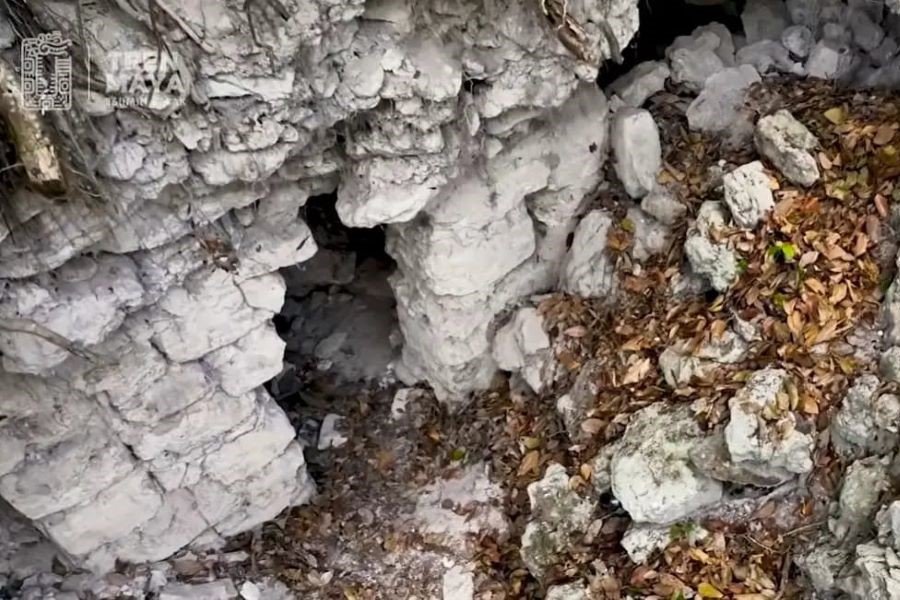
Chetumal, Quintana Roo — The recent unveiling of the archaeological site known as “El Jefeciño” in the municipality of Othón P. Blanco is more of an institutional strategy to divert attention from internal problems at the National Institute of Anthropology and History (INAH) than a genuine new discovery, according to anthropologist Fernando Cortés de Brasdefer.
Cortés de Brasdefer, an INAH researcher in Quintana Roo, said the site had been known for years by local residents and farmers. He questioned the media handling that presented it as an unprecedented find.
The anthropologist called the announcement an “institutional distraction,” noting it comes at a time when INAH faces budget and operational crises in various parts of the country, including major sites like Teotihuacán.
He explained that such announcements may aim to generate a positive perception of the institute’s work despite economic and logistical limitations that, he said, affect the conservation, research, and dissemination of archaeological heritage.
Cortés de Brasdefer also denounced a lack of transparency regarding findings from the Maya Train project. He said there is no detailed public map or clear, accessible record of the hundreds of archaeological sites identified during its construction.
This opacity creates uncertainty among the academic community and limits access to key information for research, he said. Several local specialists chose not to participate in the Maya Train-related work due to concerns about potential damage to cultural heritage.
The researcher called for strengthening institutional transparency and prioritizing the protection of archaeological heritage over political or media interests.
More Chetumal
- Tren Maya Freight Complex in Chetumal to Break Ground in 2027
- More Than 200 Children Evacuated From Chetumal Daycare After Electrical Fault
- Quintana Roo Prisons Add Digital Visit Booking and Family Spaces
- Bamboo Growers From 13 Mexican States Form National Association
- Chetumal Chef Kevin Chávez to Represent Mexico at S.Pellegrino Young Chef Regional Final